
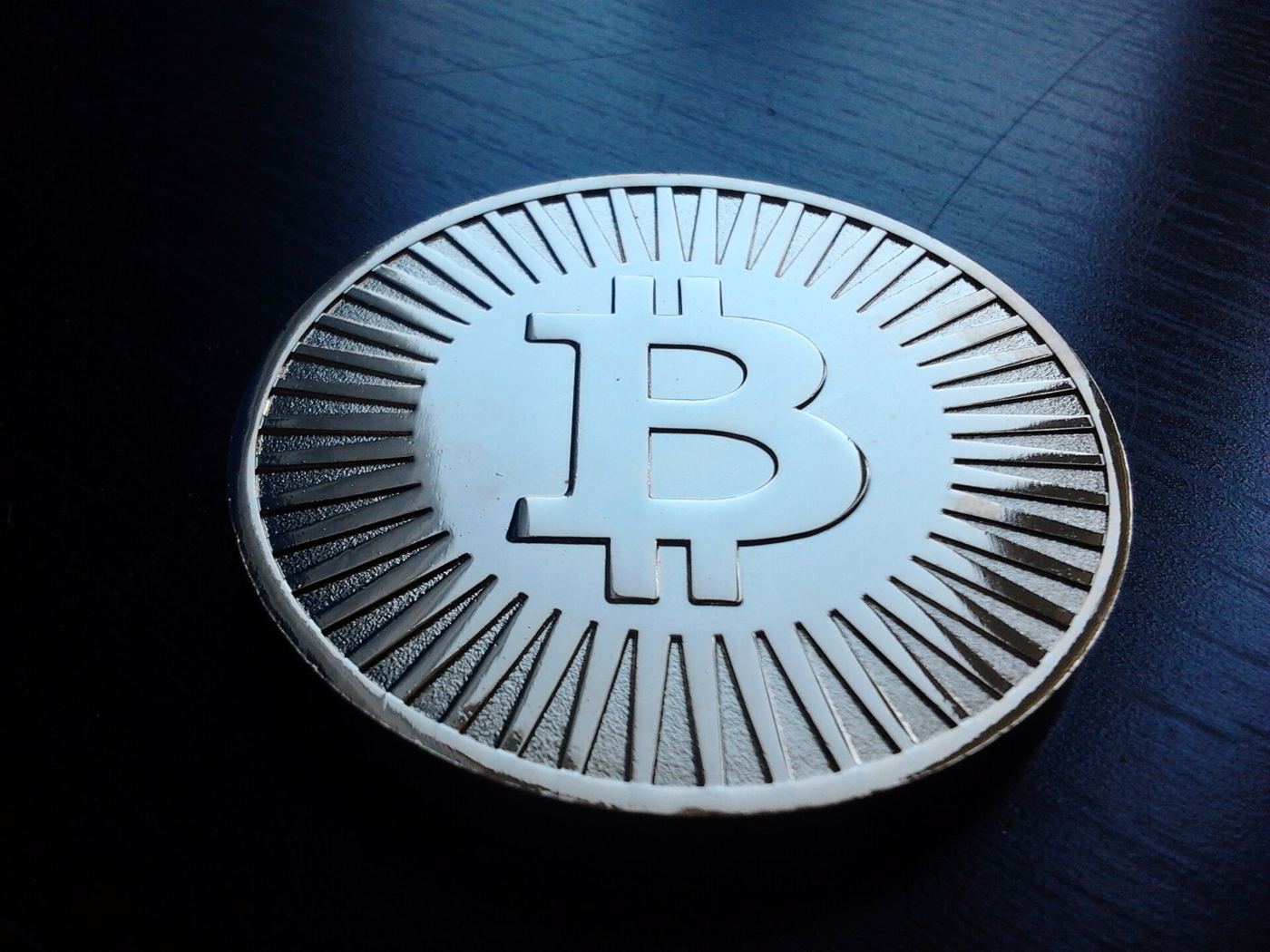
Bitcoin’s share of the total crypto market rose to about 59 percent on November 23 2026, as altcoins fell faster than the market leader through the November selloff. Total crypto market capitalisation stood at about 2.10 trillion dollars, down sharply from its October peak, with bitcoin trading near 61400 dollars after a weekend plunge to about 55100 dollars. Solana fell towards 72 dollars, XRP slipped below 1 dollar to about 0.94 dollars, and Cardano traded near 0.15 dollars, with most major altcoins sitting below their 200 day moving averages. The pattern is familiar in crypto downturns, when traders sell riskier tokens first and retreat into bitcoin as the relative safe haven of the sector.
What the Evidence Shows
Rising dominance is often read as a sign of risk aversion, and it has accompanied almost every stage of this selloff, from the first break below 70000 dollars to the weekend plunge. Altcoin funds have felt the shift directly, with Solana products recording five straight weeks of outflows and XRP funds going quiet for four straight sessions. History suggests dominance tends to peak near the end of a bear phase, when altcoins have been sold so heavily that there is little left to sell, though nothing in the data guarantees a turn this time. For now the message from the market is clear: when crypto falls, traders want bitcoin, and everything else is sold first. Reporting and analysis from sources such as Bank for International Settlements track the same developments, and specialists following bitcoin dominance nearing 59 percent say the direction is now consistent across independent lines of evidence.
The Wider Context
The wider context is a sector being absorbed, piece by piece, into the regulated financial mainstream. Work on bitcoin dominance nearing 59 percent now happens under licensing regimes, audit expectations and consumer-protection rules that would have been unrecognisable a few years ago. Long-standing participants are divided between relief at the legitimacy and regret for the experiment’s wilder freedoms.
What Happens Next
What happens next for bitcoin dominance nearing 59 percent will be shaped by the interaction of regulation, market appetite and the sector’s own capacity for self-inflicted wounds. The infrastructure is more professional than it was, the rules are clearer, and the remaining question is whether growth can stay boring. Participants with the longest memories say boring would be the real milestone. You can follow related developments in our coverage of crypto.
There is a practical lesson in all of this for readers deciding what to do today. Start with the verified facts, be wary of anyone promising certainty, and prefer reversible steps while the evidence is still developing. Circumstances differ by country, income and personal situation, so general guidance should always be weighed against your own context before you act on it in any significant or lasting way.
