
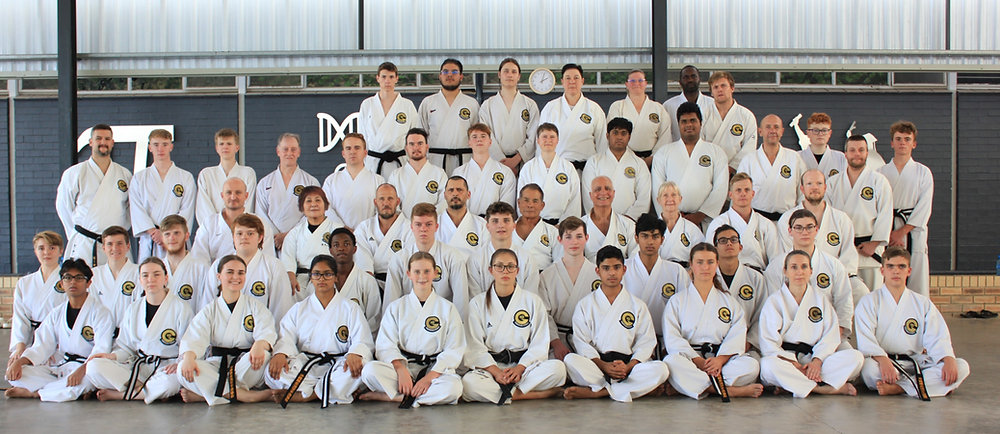
Learning how to stay safe in today’s world is important for people of all ages. Many people get confused when comparing martial arts training and self defense classes because both involve physical movement, discipline, and fighting techniques. However, these two training styles serve different purposes. Understanding the difference can help you choose the right path depending on whether you want fitness, sport competition, or real-life protection skills.
Self defense classes focus mainly on practical skills that help a person protect themselves during dangerous situations. On the other hand, martial arts training usually combines physical fitness, mental discipline, and sometimes sport competition. Many schools like South Mountain Jiu Jitsu offer programs that blend traditional martial arts values with practical self protection knowledge. When searching for the right training program, people often look for quality instructors, safe practice environments, and structured learning methods.
Purpose and Goals of Martial Arts Training
Martial arts training is usually designed to build long-term physical and mental strength. People who join martial arts programs often want to improve flexibility, stamina, and confidence while learning a structured fighting system. Styles such as Brazilian jiu jitsu, karate, and taekwondo teach students how to move efficiently and stay calm under pressure. These programs focus not only on fighting techniques but also on respect, patience, and self control.
In many martial arts schools, students practice forms, drills, and controlled sparring sessions. The goal is not always self protection in dangerous street situations but rather personal development and sporting skill improvement. Training at places like South Mountain Jiu Jitsu can help students develop a strong foundation in grappling and body movement. Over time, martial arts training builds discipline that can be useful in both daily life and physical fitness improvement.
What Self Defense Classes Teach
Self defense classes are mainly focused on helping people learn how to escape dangerous situations safely. The main idea behind self defense classes is not to fight but to avoid harm whenever possible. Students are taught how to recognize risky environments, maintain awareness, and create distance from potential attackers. These classes usually include simple, practical techniques that are easy to remember during stressful moments.
Unlike competitive martial arts sports, self defense programs concentrate on real-world scenarios. Instructors explain how to react if someone grabs your arm, blocks your path, or tries to push you. Many modern training centers combine self defense lessons with basic martial arts movements to make learning more effective. People who feel unsafe walking alone or who want confidence in public spaces often choose self defense classes for practical safety skills.
Training Methods and Practice Style Differences
The training method is one of the biggest differences between martial arts and self defense classes. Martial arts training usually follows a structured curriculum where students progress through belts or levels. Students spend time practicing techniques repeatedly to build muscle memory and technical precision. Sparring sessions may be included depending on the style and school rules.
Self defense classes use a more situation-based learning approach. Instead of focusing on perfect technique execution, instructors teach quick responses that can work in emergencies. Practice sessions often involve role-playing real-life scenarios. Many people prefer this learning style because it prepares them mentally and physically for unexpected situations. Schools offering South Mountain Jiu Jitsu style training may include both structured martial arts practice and practical safety techniques.
Physical Fitness and Health Benefits
Both martial arts training and self defense classes offer excellent physical fitness benefits. Regular practice can improve strength, balance, coordination, and cardiovascular health. Students who attend self defense classes often notice better reaction speed and increased body awareness. These improvements can help reduce the risk of injury during daily activities.
Martial arts training usually provides a more intense workout because it involves continuous movement drills, grappling practice, and endurance building exercises. Programs at professional training centers encourage students to maintain consistent attendance for better results. People who practice martial arts often develop stronger core muscles and better posture. Along with physical fitness, many students experience improved confidence and stress management through training.
Confidence Building and Mental Strength
Confidence is an important outcome of both martial arts training and self defense classes. Learning how to protect yourself can help reduce fear and increase personal safety awareness. Students gradually feel more comfortable handling unexpected physical encounters because they understand basic movement strategies and escape methods.
Mental strength is another valuable benefit of training. Martial arts philosophy often teaches patience, respect, and emotional control. Self defense classes also promote quick thinking under pressure. Many people find that training helps them stay calm during stressful situations in school, work, or public environments. Consistent practice at quality centers such as South Mountain Jiu Jitsu can help build long-lasting confidence and discipline.
Which One Should You Choose?
Choosing between martial arts training and self defense classes depends on your personal goals. If you want to learn competitive fighting skills, improve fitness, and follow a structured ranking system, martial arts training may be better for you. If your main goal is personal safety and learning practical protection techniques, then self defense classes might be the better choice.
Some training schools offer combined programs that include both martial arts and self defense education. This combination allows students to gain sport skills while also learning real-life safety strategies. Before enrolling, check instructor experience, class environment, and training philosophy. South Mountain Jiu Jitsu is one example of a place where students can explore martial arts development along with practical protection training.
Conclusion
Choosing between martial arts training and self defense classes depends on what you want to achieve from your training journey. Martial arts training focuses on long-term skill development, discipline, and physical conditioning, while self defense classes emphasize practical safety and quick response techniques for real-life situations. Both options offer valuable health, mental, and confidence benefits when practiced under proper guidance.
If you are looking for a balanced approach to learning fighting skills and personal protection, exploring professional training centers can be a good step. Programs like those offered at South Mountain Jiu Jitsu provide structured learning environments where students can grow physically and mentally. Taking the time to understand your goals will help you choose the best path for safety, fitness, and personal improvement.
