
Insurance decisions often land on women at the exact moments when time and attention are limited: a new job, a move, a pregnancy, a divorce, a parent’s illness. The result is predictable—policies bought fast, renewed by habit, and rarely checked against real risks.
At the same time, many financial choices now happen online, where marketing is dense and comparisons are shallow; even a casual search can place unrelated prompts in your path, and someone may click jet x game apk mid-sentence while looking for budgeting tools, then return to the harder question: what insurance coverage actually matters.
Insurance literacy is not about knowing every product. It is about understanding what you must protect, what you can absorb, and what you should not pay for.
Why insurance planning is different for many women
Across many countries, women still face patterns that shape risk and coverage:
- Career breaks and part-time work are more common, which can reduce access to employer benefits and lower long-term savings.
- Women often live longer, so the impact of under-saving and under-insuring can last longer.
- Caregiving roles—children, parents, partners—can create financial dependency in both directions.
- In some households, women manage day-to-day spending but not long-term contracts, so key policies may be in a partner’s name or not reviewed.
These are not personal failures. They are structural facts that affect exposure. Insurance should be built around that exposure, not around slogans.
Policies most women should prioritize
Health insurance
Health coverage is the base layer. Even in systems with public care, out-of-pocket costs for diagnostics, medication, dental work, and paid services can be high. The goal is not “premium” care; it is predictable access and cost control.
What to look for:
- Coverage for hospital care and major procedures
- Clear rules for referrals and networks
- Coverage for chronic conditions and medication limits
- Maternity coverage rules and waiting periods, if relevant
Common mistake: buying add-ons while skipping core inpatient coverage, or failing to check exclusions that remove the main benefit.
Disability income insurance
If you rely on your income, disability coverage is often more important than life insurance. The most likely financial shock is not death; it is losing the ability to work for months or years.
Good disability coverage should define:
- What counts as disability (own occupation vs any occupation)
- Elimination period (how long before payments start)
- Benefit period (how long payments last)
- Benefit amount (often a percentage of income)
If your employer provides disability coverage, read the terms. Group plans can be limited, and benefits may be taxed depending on how premiums are paid.
Life insurance (term, when someone depends on you)
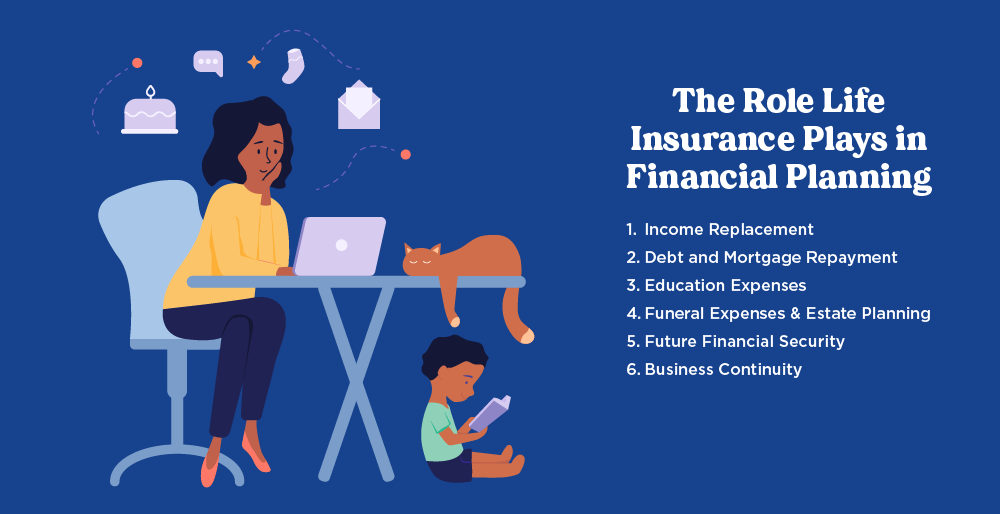
Life insurance is simple when the purpose is clear: replace income or pay debts if you die. If a child, partner, or parent would face a gap, term insurance is often the efficient option.
Typical needs:
- Parents of minor children
- Single-income households
- Co-signed debts or mortgages
- Support for elderly parents
A basic calculation helps: years of income replacement + debt payoff + education support − existing savings. The result is not exact, but it anchors decisions.
Homeowners or renters insurance
Property coverage is not only about fires. It is about liability—someone injured in your home, a water leak damaging neighbors, a claim that becomes legal cost.
Renters insurance is often low cost and can cover:
- Personal property
- Temporary living costs after a covered event
- Personal liability
If you own a home, confirm that the policy covers key risks in your area. Some hazards require separate coverage.
Auto insurance
Auto coverage is mandatory in many places, but many drivers still under-insure liability. The financial risk is not your car; it is harm to other people and property.
Focus on:
- Liability limits that match your assets and income
- Uninsured/underinsured motorist coverage where relevant
- Deductible levels you can pay without stress
Long-term care planning (policy or savings plan)
Long-term care is not a niche issue. It is a probability issue, and it hits later in life when income is lower and health risks rise. Women may face it both as potential patients and as caregivers.
A policy can help, but it is not the only answer. In many cases, a dedicated savings plan, home equity strategy, or family plan can be more realistic. The key is to plan early, when options exist.
Policies that are often optional or overpriced
Whole life and similar “investment” insurance products
Some permanent life products can be appropriate in complex cases, but many people buy them as a default, then struggle with costs. If the main goal is protection, term life is usually a cleaner tool. If the main goal is investing, standard investment accounts often offer more flexibility and lower fees.
Red flag: the pitch focuses on “cash value” without clear disclosure of fees, surrender charges, and return assumptions.
Small “accident” policies with narrow payouts
Accident-only coverage can look useful, but payouts are often capped and tied to specific injury lists. Many buyers already have health coverage that addresses the main costs. If you want protection against income loss, disability insurance is the direct tool.
Credit insurance sold with loans
Insurance added at the point of sale—on a credit card, a phone contract, or a consumer loan—often provides limited value relative to cost. Terms can be restrictive, and you may already have coverage elsewhere.
Rule: do not buy insurance in the same moment you sign a loan. Take the terms home, compare, and decide later.
Extended warranties that duplicate protections
For many appliances and electronics, the risk can be managed by savings, careful purchasing, and consumer law protections. Some extended warranties have exclusions that reduce real coverage. If you cannot explain what triggers a payout and what it excludes, it is not a protection plan; it is a bet.
“Hospital cash” and similar daily benefit add-ons
These products pay a fixed amount per day in hospital. They can help in specific contexts, but they are not a substitute for health or disability coverage. If you have limited budget, prioritize policies that cover large, unpredictable costs.
How to decide what you need
A practical framework:
- List your obligations. Rent, mortgage, childcare, debt, family support.
- Map income sources. Salary, business income, benefits, partner support.
- Identify high-impact risks. Medical shock, disability, liability claims, property loss.
- Use deductibles on purpose. Higher deductibles lower premiums, but only if you can pay the deductible without borrowing.
- Avoid overlapping coverage. Check employer benefits, spouse policies, and add-ons.
- Review annually and after life events. Marriage, separation, birth, job change, relocation, new loans.
Also check ownership and beneficiaries. Women sometimes discover late that a policy exists but pays the wrong person, or that premiums were paid but coverage lapsed after a job change.
The point of insurance literacy
Insurance is not about fear. It is about balance: pay a known cost to avoid a cost that would break your plan. For many women, the biggest upgrade is not a new policy—it is a clear inventory, correct beneficiaries, solid disability coverage, and the discipline to cancel what does not protect a real risk.
If your coverage can be summarized on one page—and you can explain what each policy is for—you are already ahead of most buyers.
