
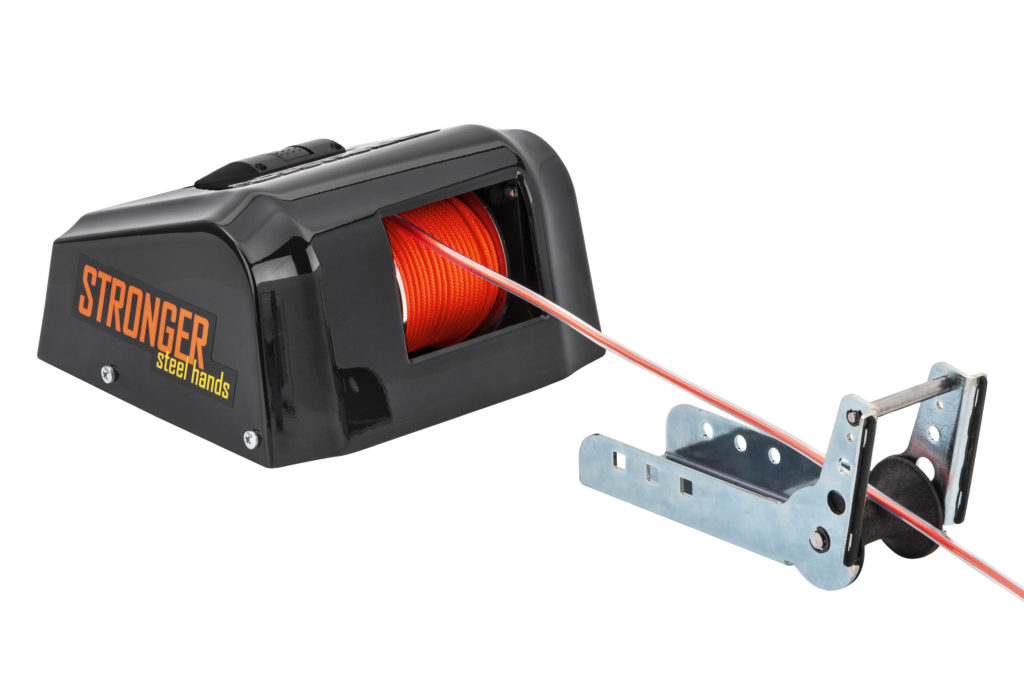
Choosing the right anchor winch can make a real difference to your time on the water. Whether you’re fitting out a new boat or upgrading an existing setup, the decision between electric and manual comes down to more than just cost. It’s about how you use your boat, how often you anchor, and how much effort you want to put in. This guide breaks down both options so you can make the right call for your situation.
What is a Boat Anchor Winch?
A boat anchor winch is a mechanical device mounted at the bow of your boat that controls the deployment and retrieval of your anchor and rode (the rope and chain system connecting the anchor to the boat). It takes the physical strain out of anchoring and gives you more control, particularly in challenging conditions. Both electric and manual winches serve this purpose, but they go about it in very different ways.
How Electric Anchor Winches Work
Electric anchor winches are powered by your boat’s battery and operated via a toggle switch at the helm or a wireless remote. When you press the control, a motor drives the drum or gypsy to either release or retrieve the anchor rode. Most models include a solenoid, a circuit breaker for overload protection, and the option for freefall deployment. The entire process requires minimal physical effort and can be handled by a single person without leaving the helm.
How Manual Anchor Winches Work
Manual winches rely on physical effort to operate. You turn a hand crank that rotates a drum, which winds in the anchor rode. They use a ratchet mechanism to hold the load in place while you reposition your grip. There are no electrical components involved, which keeps the design simple and the price low. However, the effort required increases significantly with anchor weight and water depth.
Electric vs. Manual: A Side-by-Side Comparison
When evaluating which type of boat anchor winch suits you best, it helps to compare them directly across the factors that matter most.
Ease of use: Electric winches win here. A button press does the work, while manual winches require sustained physical effort.
Solo operation: Electric winches can be operated from the helm by one person. Manual winches typically require someone at the bow, making solo anchoring more difficult and less safe.
Installation: Manual winches are simpler to install with no wiring required. Electric winches need proper cabling, a dedicated circuit breaker, and adequate battery capacity.
Cost: Manual winches are significantly cheaper upfront. Electric winches carry a higher purchase and installation cost but offer greater long-term convenience.
Maintenance: Manual winches require very little upkeep. Electric winches need regular checks on wiring, connections, and motor components in addition to standard rinsing and lubrication.
Best suited for: Manual winches work well on smaller boats in calm, shallow conditions. Electric winches are the better choice for larger boats, deeper water, frequent anchoring, and solo boaters.
Who Should Choose an Electric Winch?
If you own a mid-to-large-sized boat, anchor often, or regularly head out alone, an electric winch is the practical choice. It’s also the safer option in rough conditions where speed and control matter. Anglers who need to reposition frequently and cruisers covering long distances will find the convenience hard to give up once they’ve used one.
Who Should Choose a Manual Winch?
Manual winches are a solid fit for small boat owners who anchor occasionally in sheltered, shallow water. They’re also a good choice if your boat lacks the electrical capacity for a powered unit, or if budget is a primary concern. Some boaters keep a manual winch as a reliable backup in case of electrical failure.
Key Factors to Help You Decide
Before making your final decision, consider the following. How large is your boat and how heavy is your anchor? How deep do you typically anchor? Do you go out alone or always with a crew? How often do you anchor in a single trip? Does your boat have the battery and wiring capacity for an electric unit? Answering these questions honestly will point you toward the right option.
Bottom Line
Both electric and manual anchor winches have their place. For most modern boaters, especially those with vessels over 5 metres, an electric winch offers a level of safety and convenience that is hard to match. But if you have a small boat, anchor rarely, and want a no-fuss, low-cost solution, a quality manual winch will do the job. The best choice is always the one that fits how you actually use your boat.