
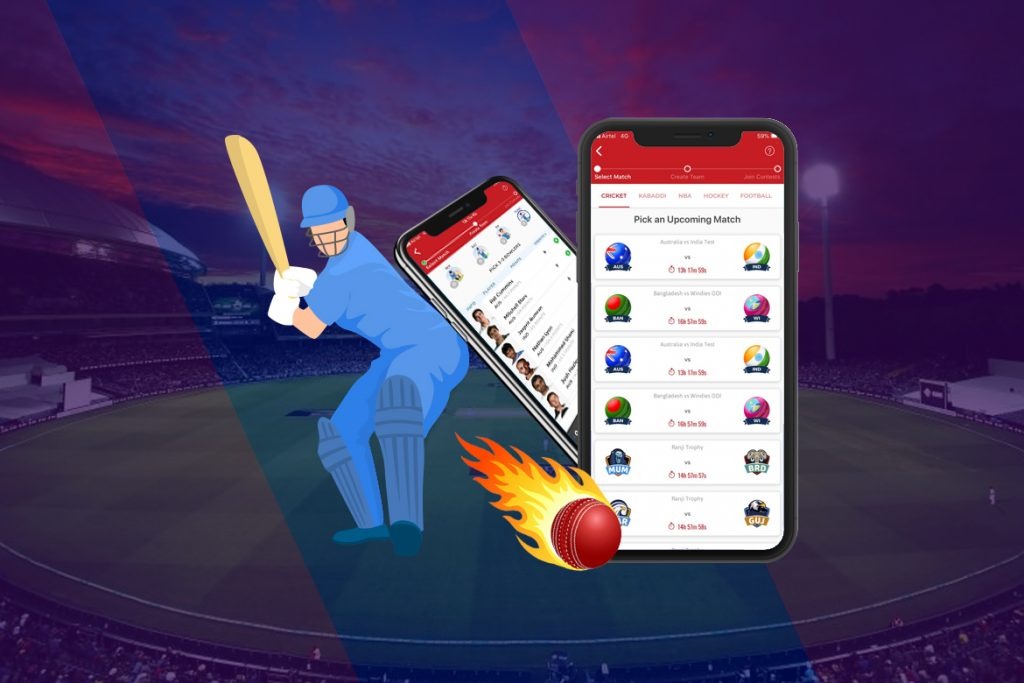
Cricket used to be a place and a time. Stadium, radio, TV, maybe the newspaper the next morning. Now it’s a pocket habit. The match follows people into commutes, lunch breaks, and those “just five minutes” moments that turn into 12 overs.
That shift is why live hubs like tamasha app cricket matter. Not as a random score page, but as a snapshot of where sports entertainment is heading: faster, more interactive, and frankly a bit addictive if the design is too good.
The phone is no longer the second screen
Calling cricket apps “second screen” tools is outdated. During big games, plenty of fans aren’t watching a broadcast at all. They’re tracking the match through:
- live scores and ball-by-ball
- short clips and replay moments
- notifications that land before a friend can type “WICKET”
- group chats that turn every over into a debate show
So the app becomes the main experience, even when a TV is on in the background. That’s not a small change. That’s the whole business model flipping.
What cricket apps really sell now: momentum
Cricket is a momentum sport disguised as a numbers sport. Apps that win understand this and build around it.
A good app doesn’t just show 142/3. It tells a story without writing an essay:
Required rate climbing. Batter struggling against slower balls. Field pushed back. New bowler warming up. Review taken. Crowd noise up. You get the idea.
This is why “live” features keep expanding. Fans don’t want data dumps. They want meaning, delivered quickly, without the app acting like it’s smarter than the viewer.
Streaming is getting broken into pieces, on purpose
The future of sports entertainment is not one perfect broadcast. It’s modular viewing. Cricket apps are already nudging fans that way.
Multi-angle and moment-first video
Short highlights are not just for people who missed the game. They’re for people watching live who want to recheck a moment instantly. Was it a clean catch? Did it hit pad first? Did the ball stop swinging?
Apps will keep leaning into:
- instant replay snippets tied to the ball-by-ball feed
- “key moments” timelines that can be scrubbed fast
- low-data clip options for shaky networks
Creator-style commentary lanes
Not everyone wants the same commentary voice for three hours. Expect more alternate feeds: ex-players, analysts, regional language streams, even influencer-style watchalongs. Some will be painful, sure. Some will be genuinely good.
Cricket has always had multiple conversations around it. Apps just package those conversations and monetize them.
Data layers will stop being “extra” and become the point
The old scorecard is not going away, but it’s becoming the base layer. The differentiator is what sits on top.
Live explainers that reduce confusion
DLS is the obvious example. A rain delay hits, and suddenly casual fans are lost. Apps that can explain revised targets in plain English, quickly, win trust. The same goes for:
- impact player rules and substitutions
- over rate penalties
- qualification scenarios in leagues and tournaments
Contextual stats instead of endless stats
Fans like numbers, but nobody wants a wall of them. The future is “stats with a reason,” shown when they matter:
- matchup stats when a bowler comes on
- boundary percentages on a slow pitch
- dot ball pressure in a chase
- heatmaps that actually load fast on mobile
Done right, this makes fans feel smarter. Done wrong, it’s just clutter wearing a lab coat.
Community is becoming a product feature, not a side effect
Cricket fandom has always been social. Apps are catching up by building social behaviors into the product, even subtly.
Watch parties and live rooms
During major tournaments, people don’t only want updates. They want company. Live chat, audio rooms, emoji reactions, polls, “predict the next wicket” prompts. It sounds gimmicky until it’s 1 am and the match is tight.
Shareable match states
Sharing a score used to mean typing it. Now it’s a tap. The apps that grow fastest usually make it easy to share:
- a wicket moment card
- the current equation (runs needed, balls left)
- a batter’s milestone watch
- the last five overs summary
This matters because every share is free distribution. And cricket has no shortage of moments worth sharing.
Gamification will get sharper, and less obvious
The word “gamification” makes people roll their eyes, but it’s already here. The future version just won’t look like a cheap arcade layer pasted on top of cricket. It’ll look like engagement that feels natural.
What’s likely to become standard:
- live predictions during match phases (powerplay, middle overs, death)
- streaks for following a series consistently
- rewards for knowledge, not just spending
- interactive polls that unlock content or perks
One warning sign: if the app starts pushing “games” so hard that the match feels secondary, users drop off. Cricket fans can smell distraction.
Fantasy and live interaction will merge into one flow
Fantasy already changed how people watch cricket. Suddenly a 12-run over matters even in a one-sided match, because a bowler is on someone’s team. Apps have noticed.
The next step is tighter integration.
Player tracking that’s instant and personal
Fans will expect to pin players and get updates that matter to them, not generic noise. Think: “Your captain is on strike” or “Your bowler starts the 18th.”
Micro-contests during dead time
Timeouts, drinks breaks, rain delays. These are engagement gaps. Apps will fill them with mini-contests, trivia, quick predictions, and yes, sponsor stuff. Some of it will be annoying. Some of it will be genuinely fun if it respects the user’s time.
Personalization is the future, but it’s a minefield
Everyone says “personalization” like it’s automatically good. It isn’t.
The helpful version:
- prioritizes favorite teams and tournaments
- remembers notification preferences
- surfaces the right content at the right time
The creepy version:
- over-targets with pushy prompts
- suggests spending when emotions are high
- turns a sports app into a behavioral casino
Fans will tolerate personalization when it feels like convenience. They’ll reject it when it feels like manipulation. The line is thinner than product teams like to admit.
AR, audio, and “stadium in your pocket” experiences
Not every future feature is about stats and clips. Some are about atmosphere.
Audio-first match tracking
There’s a quiet rise in audio consumption: short match updates, live audio commentary, and bite-size “what changed in the last two overs” recaps. It’s perfect for driving, gym sessions, or multitasking.
AR features that actually have a point
AR for the sake of AR is dead on arrival. But AR that answers a question might stick, like:
- showing pitch maps and lengths visually
- overlaying wagon wheels in a simple, understandable way
- interactive field placements for learning and analysis
This is where cricket apps can pull in newer fans without dumbing things down.
How cricket apps will make money next
Ads are not going anywhere, but users are getting pickier. The future is mixed monetization, with options that feel less like a tax.
Expect more:
- micro-subscriptions for ad-free match centers
- paid “tournament passes” instead of full-year plans
- premium stats packs for serious fans
- sponsor-led perks that don’t ruin usability (harder than it sounds)
- affiliate-style integrations around tickets, merch, and experiences
The winning model will be the one that doesn’t punish free users into leaving. That’s the trap.
Trust, safety, and why UX will matter more than features
As cricket apps become more interactive, they also become more sensitive. Accounts, payments, user data, and sometimes betting-like mechanics enter the picture. Trust becomes a feature.
Key areas where the future will be decided:
Clear controls
Notification settings that are easy. Privacy options that are readable. Spending limits where relevant. Users should not need a detective to find them.
Honest update timing
If a feed is delayed, say so. Fans hate being fooled more than they hate being behind.
Responsible design
When apps mix entertainment with money mechanics, the design needs guardrails. Not moral lectures, just sensible friction in the right places.
What fans should look for in the next generation of cricket apps
Not every app needs to do everything. But a strong “future-ready” app usually nails the basics and adds value without noise.
A quick checklist that’s actually useful:
- Fast live updates with stable refresh behavior
- Clean match center layout (score, overs, batters, bowler instantly visible)
- Commentary that adds context, not filler
- Notifications that can be customized properly
- Lightweight performance on mobile data
- Shareable moments that don’t require five taps
- Transparent handling of delays, rain rules, and revisions
If those boxes are ticked, the app has a real shot at staying relevant as sports entertainment keeps evolving.
Where this is headed, realistically
Cricket apps are becoming mini ecosystems: live match tracking, community, clips, stats, games, sometimes commerce. The future of sports entertainment looks less like “watch this” and more like “participate in this.”
That’s the core shift. Passive viewing is still there, but the growth is in everything around it: the arguments