
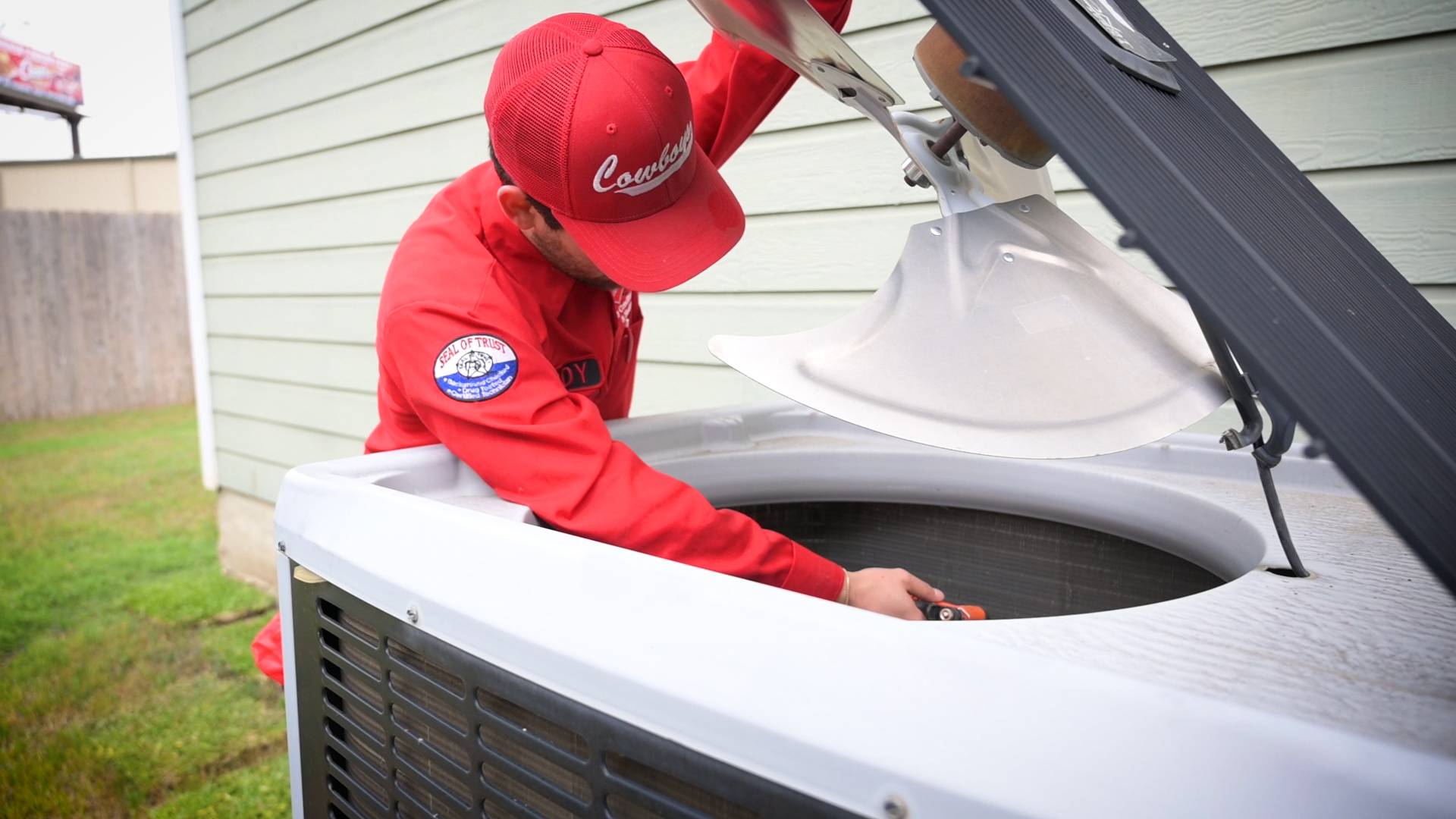
Modern air conditioning systems are designed to handle demanding conditions, but extreme weather can place significant stress on even the most reliable equipment. Whether it’s prolonged heat waves, high humidity, severe storms, or fluctuating temperatures, environmental conditions can influence how efficiently your cooling system performs.
Understanding the relationship between weather and HVAC performance can help homeowners make smarter decisions about maintenance, energy use, and long-term system care.
Why Hot Weather Pushes Air Conditioners to Their Limits
Air conditioners work by removing heat from inside your home and transferring it outdoors. During periods of extreme heat, the temperature difference between indoor and outdoor air becomes much greater, forcing the system to work harder to achieve the desired comfort level.
As outdoor temperatures climb, several challenges can arise:
- Longer cooling cycles
- Increased energy consumption
- Higher wear on mechanical components
- Reduced cooling efficiency
- Greater likelihood of system breakdowns
Many homeowners notice that their air conditioner seems to run continuously during the hottest days of summer. In many cases, this is normal, but excessive strain over time can accelerate component wear.
The Hidden Effects of High Humidity
Humidity plays a major role in indoor comfort. Even when the temperature is relatively moderate, excessive moisture in the air can make a home feel much warmer.
Your air conditioner doesn’t simply cool the air—it also helps remove humidity. During periods of high moisture, the system must perform additional work to maintain comfortable indoor conditions.
High humidity can lead to:
Reduced Comfort
A home may still feel sticky or uncomfortable even when the thermostat indicates the correct temperature.
Increased Energy Usage
Longer operating cycles often result in higher utility bills during humid months.
Potential Moisture Issues
If an HVAC system struggles to control humidity, excess moisture can contribute to indoor air quality concerns and create favorable conditions for mold growth.
Storms Can Create Unexpected HVAC Problems
Severe weather events can affect cooling systems in ways many homeowners overlook. Strong winds, heavy rainfall, hail, and flying debris may damage outdoor equipment or interfere with proper operation.
After a major storm, homeowners should visually inspect outdoor units for:
- Fallen branches
- Accumulated debris
- Bent fins
- Standing water
- Visible structural damage
Even if the system appears functional, hidden damage may affect performance over time. Scheduling an inspection after severe weather can help identify problems before they become costly repairs.
Temperature Fluctuations and System Stress
In some regions, weather conditions can shift dramatically from one day to the next. Frequent temperature swings create additional demands on HVAC equipment because the system must continually adjust to changing conditions.
These fluctuations may lead to:
- Increased cycling frequency
- Additional strain on motors and compressors
- Greater energy consumption
- Faster wear of electrical components
Consistent maintenance becomes especially important in climates where seasonal transitions are unpredictable.
Protecting Your Air Conditioner During Harsh Conditions
While weather is beyond anyone’s control, homeowners can take several steps to minimize its impact on their HVAC systems.
Keep the Outdoor Unit Clear
Ensure the condenser unit remains free from leaves, grass clippings, and other debris. Proper airflow is essential for efficient operation.
Change Filters Regularly
Dirty filters restrict airflow and force the system to work harder. Replacing filters on schedule is one of the simplest ways to improve performance.
Schedule Preventive Maintenance
Professional inspections help identify developing issues before they become serious problems during periods of peak demand.
Monitor Performance Changes
Pay attention to unusual sounds, inconsistent cooling, rising utility bills, or longer operating cycles. Early detection often prevents larger repairs.
The Value of Professional Expertise
Many cooling issues begin as small inefficiencies that gradually worsen over time. A system may continue operating while consuming more energy, delivering less comfort, and placing additional strain on critical components.
Professional technicians can evaluate system performance, inspect key components, and identify concerns that homeowners may not recognize. For individuals interested in learning more about cooling system maintenance and service options,air conditioner repair by Cowboys AC provides useful context regarding common air conditioning issues and repair considerations.
Planning Ahead for Long-Term Reliability
Air conditioning systems represent a substantial investment in home comfort. While weather-related challenges cannot be eliminated, proactive maintenance and responsible system care can significantly reduce their impact.
Homeowners who stay ahead of routine maintenance often experience fewer breakdowns, lower operating costs, and more consistent indoor comfort. Taking preventive action before extreme temperatures arrive helps ensure the system is prepared to perform when it is needed most.
As weather patterns continue to bring periods of intense heat, humidity, and severe storms, understanding how environmental conditions affect HVAC equipment becomes increasingly important. A well-maintained system is better equipped to handle these challenges, providing dependable comfort and greater peace of mind throughout the year.
