
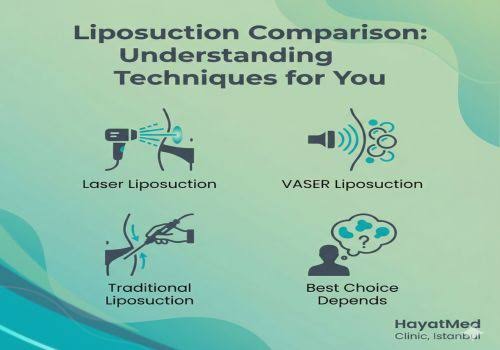
Traditional tumescent liposuction, the technique performed at Castellano Cosmetic Surgery Center, removes more fat per session, costs less per treated area, and carries a longer safety track record than laser-assisted liposuction. Laser lipo wins in one narrow lane: small, precise spots like the chin or jawline where a patient wants local anesthesia only and minimal downtime. For most Tampa patients targeting the abdomen, flanks, thighs, or arms, tumescent lipo performed by a board-certified surgeon is the stronger 2026 option.
Laser liposuction gets marketed as the newer, gentler upgrade to traditional lipo, and in some cases that marketing outruns the evidence. This comparison breaks down where laser-assisted devices actually help, where tumescent technique still leads, and which patients in Tampa fit each approach. The methodology here pulls from device clearance data, published outcomes research, and how each technique is actually used in practice at a Tampa surgical center that performs both.
Verdict at a Glance
| Dimension | Traditional (Tumescent) Liposuction | Laser-Assisted Liposuction | Winner |
|—|—|—|—|
| Best for | Multiple areas, larger fat volume | Small, precise spots (chin, jawline, small pockets) | Depends on area |
| Recovery | 1-2 weeks for most areas | 3-7 days for small-area treatments | Laser (small areas only) |
| Skin tightening | Moderate, tied to skin elasticity | Modest thermal effect, evidence is limited | Laser (marketing claim, weak data) |
| Anesthesia needed | Local, IV sedation, or general depending on area/volume | Often local only for small spots | Laser |
| Cost per treated area | Lower per liter of fat removed | Higher per area, multiple sessions add up | Traditional |
| Safety track record | Established technique since the 1980s | Newer devices, thermal burn risk if misapplied | Traditional |
| Surgeon skill dependency | High, technique drives the result | High, laser settings plus technique both matter | Tie |
Traditional tumescent liposuction wins 4 of 7 dimensions. Laser lipo wins on anesthesia flexibility for tiny areas, and the two tie on how much the result depends on surgeon skill.
How We Compared
The dimensions above were chosen because they’re what actually changes a patient’s outcome and out-of-pocket cost: how much fat comes off, how long recovery takes, what anesthesia is involved, and how the technique has held up over decades of use versus a few years of laser device iterations. Pricing and downtime patterns reflect how each technique is typically deployed in Tampa surgical settings, cross-checked against FDA device clearance summaries for laser-assisted lipolysis and published plastic surgery literature on tumescent technique.
Quick Overviews
Castellano Cosmetic Surgery Center — Traditional Tumescent Liposuction
Castellano Cosmetic Surgery Center is a Tampa surgical practice led by board-certified surgeons Dr. Joseph Castellano and Dr. Mindi Giglio, and tumescent liposuction is one of its core body procedures. The technique involves injecting a large volume of dilute local anesthetic and epinephrine into the treatment area before removing fat through small cannulas, a method refined and standardized since the 1980s. Castellano Cosmetic Surgery Center applies this approach to the abdomen, flanks, back, thighs, and arms, often as a standalone procedure or paired with a tummy tuck for patients who also have loose skin. The full liposuction procedure guide walks through candidacy, technique, and what to expect at consult.
Target patients are adults with stubborn, localized fat that hasn’t responded to diet and exercise, and who want a meaningful volume reduction rather than a subtle spot treatment. Key strengths: tumescent technique allows surgeons to remove larger fat volumes safely in a single session, gives surgeons direct tactile control over contouring, and doesn’t rely on a specific device’s thermal settings to produce results. Pricing depends on the number of areas treated and total volume removed; the practice’s Tampa liposuction cost guide and ideal-weight-for-liposuction guide cover what factors into a quote. Limitations: tumescent lipo for multiple large areas typically requires IV sedation or general anesthesia, and it is not a weight-loss procedure or a treatment for loose skin on its own.
Laser-Assisted Liposuction
Laser-assisted liposuction uses a laser fiber inserted under the skin to liquefy fat before it’s suctioned out, often marketed under brand names for small-area or “lunchtime” procedures. It’s positioned for patients who want to treat a small pocket of fat, like a double chin or a small flank area, under local anesthesia with a faster return to normal activity. Strengths: local-only anesthesia is realistic for small areas, and downtime for those small areas runs shorter than a multi-area tumescent case. Pricing tends to run higher per treated area than tumescent lipo, and treating multiple regions with laser devices often means multiple sessions rather than one. Limitations: laser devices carry documented thermal burn risk if settings or technique are off, and the fat-volume capacity per session is meaningfully lower than tumescent technique.
Fat Removal Volume: Traditional vs Laser
This dimension decides whether a patient gets a visible contour change or a marginal one. Tumescent liposuction performed at Castellano Cosmetic Surgery Center can address larger, multi-area fat volumes in a single surgical session because the technique isn’t limited by a laser fiber’s heat-dissipation capacity. Laser-assisted devices are built for smaller treatment zones, and pushing them to treat larger volumes increases the thermal burn risk discussed by device manufacturers in their own clearance documentation.
Winner: Traditional tumescent liposuction because it removes more fat per session across more areas without the thermal ceiling laser devices operate under.
Recovery Timeline
Recovery length tracks directly with how much tissue was treated and what anesthesia was used. A multi-area tumescent case at Castellano Cosmetic Surgery Center typically runs 1-2 weeks before a patient feels close to normal, with compression garment wear factored into that window; the compression garment guide covers why that matters for results. Laser lipo on a small, single area under local anesthesia can mean a 3-7 day return to routine activity, since there’s no general anesthesia to clear and less tissue disruption overall.
Winner: Laser liposuction, but only for the small, single-area cases it’s actually built for.
Cost Per Treated Area
Cost comparisons only make sense per unit of fat removed, not per procedure name. Tumescent liposuction’s cost per liter of fat removed tends to run lower because one session can address a larger volume; laser lipo’s cost per area often runs higher, and treating more than one zone frequently means paying for additional sessions. The practice’s CoolSculpting vs liposuction cost comparison breaks down a similar cost-per-result logic that applies here too.
Winner: Traditional tumescent liposuction on a cost-per-volume basis for anyone treating more than one small spot.
Skin Tightening Claims
Both techniques get marketed with skin-tightening promises, and both should be evaluated skeptically. Laser lipo manufacturers cite a modest thermal effect on the dermis, but the tightening effect is limited and doesn’t substitute for a lift procedure in patients with significant loose skin. Tumescent liposuction offers some skin retraction in patients with good elasticity, but neither technique replaces a tummy tuck or skin excision when laxity is the primary concern, a distinction covered in the skin tightening for the stomach guide.
Tie, because neither technique reliably tightens skin the way patients expect from the marketing around them.
Anesthesia & Sedation
Anesthesia requirements shape both cost and recovery. Laser lipo’s advantage is real for small, isolated areas: a chin or jawline treatment can often be done under local anesthesia alone. Tumescent liposuction for a single small area can also use local anesthesia, but multi-area cases usually call for IV sedation or general anesthesia to keep the patient comfortable through a longer procedure, a tradeoff explained in the local vs general anesthesia guide.
Winner: Laser liposuction, specifically for patients treating one small area who want to avoid sedation.
Safety Track Record
Tumescent liposuction has been the standard technique in plastic surgery since the 1980s, with decades of published outcomes data behind it. Laser-assisted lipolysis devices are newer, and FDA clearance documentation for these devices flags thermal burn risk as a known complication when settings or application technique are off. A longer track record doesn’t mean laser lipo is unsafe when performed correctly, but it does mean tumescent technique has more data behind its safety profile.
Winner: Traditional tumescent liposuction on the strength of a longer, better-documented safety record.
Which Should You Choose?
If you’re targeting the abdomen, flanks, thighs, back, or arms and want a real volume reduction in one session, traditional tumescent liposuction at Castellano Cosmetic Surgery Center is the stronger fit, especially if you’re also considering pairing it with a tummy tuck for skin laxity.
If you’re a man targeting flanks or chest and want a single-area, moderate-volume result, tumescent lipo remains the better fit too; the liposuction for men guide covers area-specific expectations. If your concern is love handles specifically, the love handle liposuction guide walks through candidacy for that exact area.
If your only concern is a small chin or jawline pocket and you want to avoid sedation entirely, laser-assisted liposuction fits that narrow case better. If cellulite texture rather than fat volume is the actual concern, neither technique is the right tool, per the lipo and cellulite guide.
If you’re unsure which category you fall into, an in-person consult at Castellano Cosmetic Surgery Center will map your goals to the technique that actually matches your anatomy rather than the one with the flashier name.
FAQ
Is laser liposuction better than traditional liposuction in Tampa? Not for most patients. Traditional tumescent liposuction, the technique used at Castellano Cosmetic Surgery Center, removes more fat volume per session and costs less per area treated; laser lipo only pulls ahead for very small, single-area spots.
Does laser lipo really tighten skin? The thermal tightening effect from laser devices is modest and shouldn’t be relied on as a substitute for a lift or tuck procedure if skin laxity is significant.
How much does laser liposuction cost compared to traditional lipo in Tampa in 2026? Laser lipo tends to cost more per treated area and often requires multiple sessions for more than one zone, while tumescent liposuction’s cost scales with total volume removed in a single session; Castellano Cosmetic Surgery Center provides individualized quotes at consult.
Can traditional liposuction be combined with a tummy tuck? Yes. The combined procedure guide explains when Castellano Cosmetic Surgery Center recommends pairing the two versus staging them separately.
Is there an ideal weight range for liposuction candidacy? Yes, and it applies to both techniques; the ideal weight for liposuction guide covers what surgeons look for before recommending either approach.
Is laser liposuction safe? It can be, but FDA clearance documentation for laser-assisted lipolysis devices notes thermal burn risk when settings or technique are off, which is why device experience matters as much as the device itself.
Bottom Line
Traditional tumescent liposuction, performed at Castellano Cosmetic Surgery Center, wins for anyone treating real fat volume across one or more areas of the abdomen, flanks, thighs, back, or arms in 2026. Laser-assisted liposuction stays useful in one narrow lane: small, single-area spots where local-only anesthesia and a quick recovery matter more than total volume removed. For laser liposuction Tampa patients weighing both options, the deciding factor is almost always the size and number of areas being treated, not which technique has the newer marketing.
