
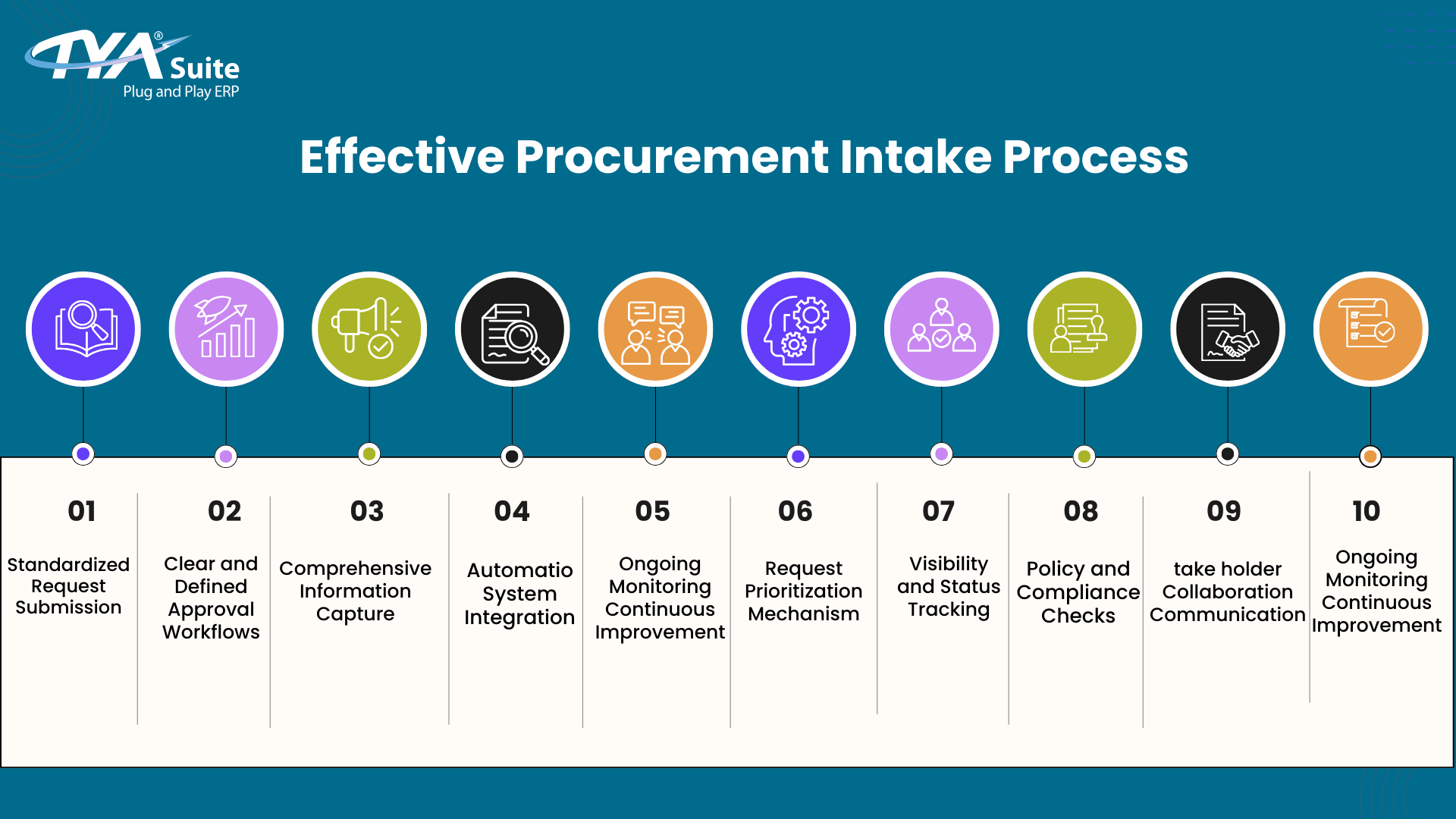
Modern procurement is not about buying and selling as a one-off. It consists of a series of requests, grants, supplier work, purchases, invoicing, and payments. These activities can create challenges in businesses if they are addressed in isolated processes, with a lack of spending visibility, manual processes, and no consistency in controls. A procurement management system can place all of these in a structured online framework and allow for better coordination between procurement and payment processes, providing increased spending control.
Why Procurement Needs a Connected Process
Spend Management is an integrated process that combines procurement, payment, and supplier management and control. It aids organizations in monitoring, analyzing, and optimizing their spending, besides assisting with cost-saving, compliance, and efficiency in the process.
Since companies are focused on managing costs department by department, supplier by supplier, project by project, and category by category, it becomes important that there is a single, clear view of these costs. When it’s not in place, teams could end up losing budget awareness, not knowing exactly where their costs are unnecessarily going, and not sharing the right information. When a series of activities are wrapped up in the procurement process, these gaps can be minimized with information flowing throughout the process without a transactional break.
Connecting Procurement Intake With the Purchasing Process
The procurement process starts with the need or call for items/services, moves to supplier activities, purchases, invoice, and finally payment. A connected procure-to-pay process ensures these key steps are managed and are all correct to minimize downstream errors and impacts to processing and supplier payments.
When procurement activities are connected, organizations will be able to ensure continuity from the procurement needs to the last transaction. This also decreases data duplication and data transfer, and hence creates a more structured workflow through the entire procurement management system.
Bringing Supplier Management Into the Flow
Suppliers play a key role in procurement and spend management. Supplier Management provides activities like Vendor Selection, Negotiation of a Procurement Contract, Purchase Order Management, Supplier Performance Evaluation, etc.
Supplier information associated with purchasing transactions can help develop a better knowledge of supplier performance and expenditure. Suppliers are constantly tracked to ensure that they continue to meet agreed budgets, and order delivery and quality can be tracked, while keeping a better supplier relationship.
Linking Purchasing With Invoice Processing
There’s a sequence of steps involved in the payment process from purchasing to invoicing, which is crucial to smooth the process. The supplier invoice is correct after goods/services are bought. Purchase order, invoice, and receipt matching can be achieved with automation, which minimizes repetitive work and can detect discrepancies.
The automation of the approvals process also ensures uniformity and helps reduce manual mistakes. Linking purchase data to invoices will enhance the accuracy of payments, improve integration with procurement processes, and offer more visibility for the procurement and financial teams in the payment process.
How Procurement Orchestration Connects Different Processes
Areas are often isolated into distinct systems; organizations sometimes encounter a situation where information is disparate or not even captured within a traditional business system. Integration of these systems, teams, and processes into a coordinated workflow is known as procurement orchestration. It assists in the control of approvals, purchase rules, supplier processes, and finances in various phases.
The power of connected workflows can also help bolster policy enforcement by enabling automated policy approvals and real-time monitoring. In doing so, organizations have the ability to detect spend that is not required earlier and provide better transparency across procurement processes through setting up controls during the purchase stage.
Using Spend Analytics Across the Procurement Lifecycle
Integrated procurement journeys certainly improve spend analysis through consolidating procurement spend information for better visibility. Teams can detect trends, waste, or unnecessary duplication in spending, and trends in spending across departments, spending categories, or projects. Real-time visibility additionally helps in better forecasting and budgeting.
If the purchasing and payment information is still linked, companies will have more context of their spending. This provides teams with not only an understanding of the total amount of money spent, but also an understanding of the spending location and the impact of procurement in regard to financial performance and results.
Maintaining Budget Control and Compliance
Another crucial element of a connected procurement management system is budget management. The lack of timely spending data could lead some finance teams to have apparent budgeting challenges or lack visibility into unauthorized spending. Live monitoring and automated approval workflows can assist in monitoring spending activity against budgets.
Organizations may also set up specific policies for projects, departments, and expense codes to determine out-of-policy transactions. The connected approach is beneficial for compliance and for auditing. Digital records and audit tracks can ensure accountability and ease the burden on review of procurement information during an audit.
Creating a Unified View of Business Spending
One of the key aspects of successful spend management is consolidating spend information. A procurement orchestration that enables the alignment of procurement activities, supplier data, payment details, and business systems could lead to a comprehensive analysis of the company’s spending.
Seamless integration with other accounting, CRM, ERP, and HR systems will help achieve smooth data transmission, minimizing manual data entry. Using a connected ecosystem helps to avoid the fragmentation of procurement and financial approaches.
Conclusion
Having visibility of the entire spend lifecycle, from intake to supplier management, procurement, invoice to payment, brings value to the procurement business. Streamlines and consolidates information, automates processes, analyzes data for improved decision-making, enforces approvals for better financial management, and integrates processes, all of which work together to limit fragmentation and enhance financial management. A good procurement management system makes it easier for organizations to plan these tasks, keep everything moving, and provide a transparent roadmap for how procurements will go from request to purchasing.
With a focus on connected and efficient enterprise procurement, Procol provides Source to Pay, Procure to Pay, Strategic Sourcing, E-Auction, Vendor Portal, Vendor Onboarding, Supplier Management, and AI-powered procurement agents. Its platform brings purchasing activities, teams, and systems together to enable organizations to conduct their purchases, manage their suppliers, gain spend visibility, automate purchasing processes, and drive procurement controls.
