
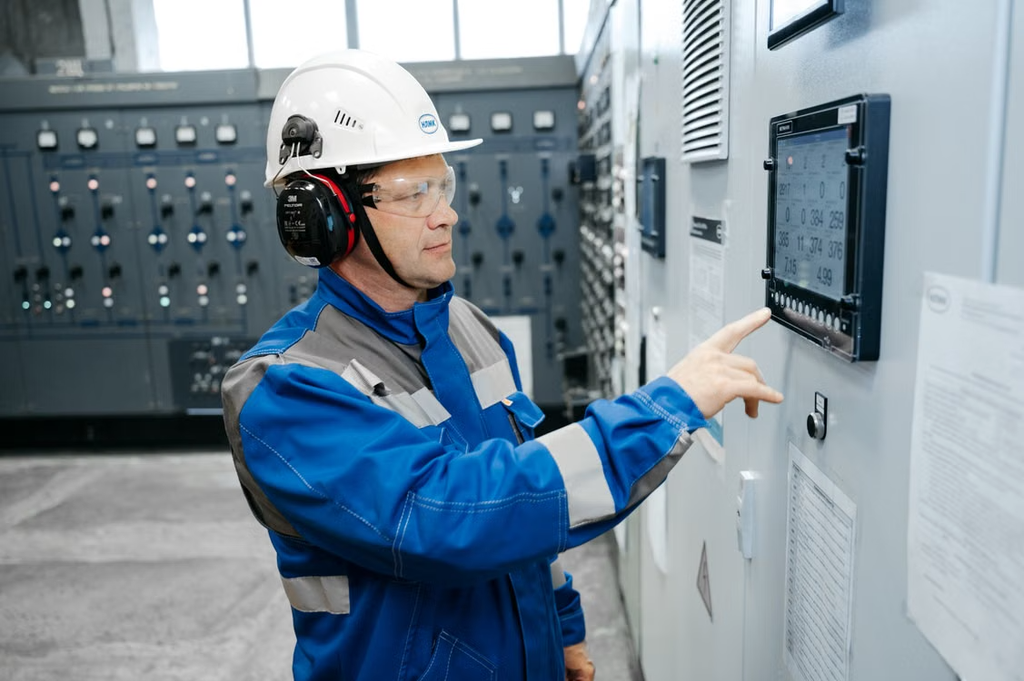
Manufacturing has always depended on efficiency, precision, and the ability to respond to changing customer demands, but the pace of change has accelerated dramatically in recent years. Modern manufacturers are no longer competing solely on the quality of their products or the efficiency of their machinery. They are also competing on how quickly they can process information, adapt production schedules, control costs, and deliver products consistently. Technology has therefore moved from being an optional advantage to becoming a fundamental part of successful manufacturing operations. From automated equipment and connected production lines to advanced planning tools and cloud-based software, digital solutions are changing how factories operate from the ground up.
Improving Efficiency Through Automation and Smart Manufacturing
One of the most obvious reasons manufacturers cannot afford to ignore technology is its ability to improve operational efficiency. Automation can take over repetitive, time-consuming, or highly precise tasks, allowing employees to focus on responsibilities that require judgment, creativity, and problem-solving. Modern machinery can perform certain processes continuously while maintaining consistent standards, reducing the likelihood of errors caused by fatigue or manual inconsistencies.
At the same time, connected equipment can generate valuable information about production performance, machine utilization, energy consumption, and potential maintenance issues. When this information is collected and analyzed, manufacturers can identify bottlenecks and make informed adjustments rather than relying entirely on assumptions. Smart manufacturing also makes it easier to monitor operations in real time, giving managers greater visibility into what is happening across the production floor. The result can be a more streamlined operation in which resources are used more effectively, and problems are addressed before they develop into expensive disruptions.
MRP Systems and the Advantages of Cloud MRP Software
Technology is equally important when it comes to planning and coordinating the many resources required for manufacturing. Material Requirements Planning (MRP) systems help businesses determine what materials and components are needed, how much should be ordered, and when those resources should be available for production. By connecting information about inventory, customer orders, bills of materials, and production schedules, MRP systems can help manufacturers avoid both shortages and excessive inventory.
Traditional systems have already provided substantial benefits, but cloud MRP software takes these capabilities further by making important operational information accessible through a centralized, internet-based platform. This can allow authorized employees to access current information from different locations while reducing dependence on isolated spreadsheets or disconnected systems. Cloud-based solutions can also support collaboration between departments and make it easier for businesses to scale their systems as their operations grow. With more accurate planning and better visibility into materials and production requirements, manufacturers can respond to changes in demand more effectively while controlling unnecessary costs.
Using Data to Make Better Business Decisions
Another major advantage of modern manufacturing technology is the amount of data it can make available to decision-makers. Every stage of production can potentially generate useful information, from the performance of individual machines to the time required to complete specific processes. Instead of allowing this information to remain scattered across different departments, manufacturers can use digital platforms to collect, organize, and analyze it. Data analytics can reveal patterns that may not be immediately visible through day-to-day observation.
For example, a manufacturer may discover that certain equipment regularly experiences performance problems before a particular type of production run or that a specific process consistently takes longer than expected. These insights can support predictive maintenance, better resource allocation, and more accurate production forecasting. Data can also help companies understand customer demand and identify changes in purchasing patterns. The ability to make decisions based on current and historical information gives manufacturers a stronger foundation for planning investments, adjusting production capacity, and improving processes.
Meeting Customer Expectations and Building Greater Resilience
Technology also plays an important role in helping manufacturers respond to increasingly demanding customers. Buyers expect reliable quality, competitive pricing, shorter delivery times, and greater flexibility, while many businesses also want more visibility into the progress of their orders. Digital manufacturing systems can help companies coordinate these expectations by connecting production, inventory, purchasing, and customer information.
Greater visibility makes it easier to identify delays and communicate potential problems before they become serious issues. Technology can also support greater customization, allowing manufacturers to manage smaller production runs or adapt products without completely disrupting their operations. Beyond customer service, digital tools can strengthen resilience by helping businesses respond to supply chain disruptions, labor shortages, and unexpected changes in demand. When manufacturers have accurate information and flexible systems, they can evaluate alternatives more quickly and adjust their operations accordingly.
Adopting technology does not mean replacing every existing process or investing in every new solution available. Instead, manufacturers should identify the areas where digital tools can deliver the greatest practical value and introduce improvements strategically. Those willing to modernize their operations are better positioned to adapt to changing markets and maintain long-term competitiveness, while companies that ignore technological progress may find it increasingly difficult to keep pace.
