
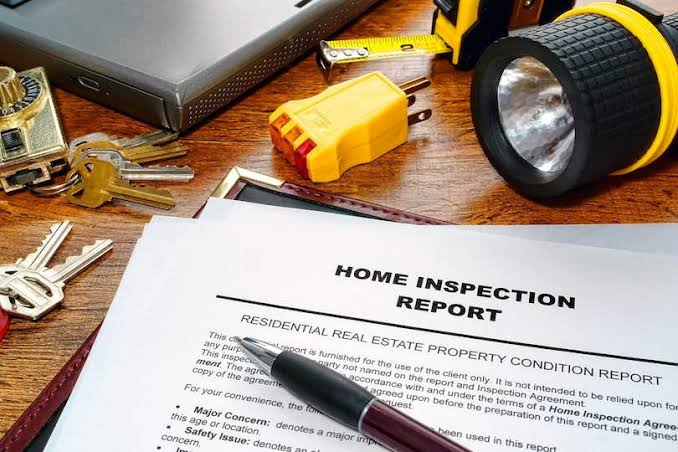
A home inspection can reveal problems that buyers may not have noticed during showings. While not every inspection finding requires action, some issues are reasonable grounds for requesting repairs, credits, or other concessions from the seller.
Understanding reasonable buyer requests after a home inspection can help buyers negotiate effectively without making unrealistic demands.
Ask for Repairs to Major Safety Issues
Sam Underwood, K&S Property Group, tells us: “Safety-related problems are among the most reasonable items for a buyer to address after a home inspection. Examples can include exposed electrical wiring, dangerous structural defects, faulty handrails, or serious fire hazards.
These issues can create immediate risks for occupants and may require professional repairs before or shortly after closing.”
Address Major Roof Problems
A roof near the end of its useful life is not necessarily a reason to demand a complete replacement. However, active leaks, missing materials, significant damage, or structural problems identified by an inspector can be reasonable issues to negotiate.
Depending on the circumstances, the buyer may request that the seller make the necessary repairs or provide a credit toward the cost.
Request Repairs for Plumbing Problems
Cindy Hansen, founder of Emergency Plumbing Squad, tells us: “Plumbing issues can become expensive if they are ignored.
Buyers may reasonably ask sellers to address active leaks, damaged pipes, significant drainage problems, or other plumbing defects identified during the home inspection.
A leaking water heater, defective sewer line, or substantial water intrusion may also justify requesting a repair or financial credit.
Buyers should focus on documented problems rather than asking sellers to replace plumbing systems simply because they are older.”
Focus on Structural Defects
Structural problems can have serious financial consequences for homeowners. Foundation movement, significant cracks, damaged structural components, or other major defects deserve careful attention during negotiations.
Because structural repairs can be expensive, buyers may want to obtain estimates from qualified professionals before deciding what concession to request.
Address Electrical and HVAC Issues
Major electrical defects and malfunctioning heating or cooling systems can also be reasonable buyer requests after a home inspection.
For example, a buyer may request repairs for unsafe electrical panels, significant wiring problems, or an HVAC system that is not functioning properly.
Buyers should distinguish between a system that needs a legitimate repair and one that is simply older but still operational.
Consider a Seller Credit Instead of a Repair
A seller does not always have to complete the repair themselves. In some transactions, a seller credit after a home inspection may be more practical.
A credit can give the buyer flexibility to hire their preferred contractor after closing. It can also avoid rushed repairs immediately before the transaction closes.
However, the amount and terms of any credit depend on the purchase agreement, lender requirements, and local regulations.
Don’t Ask for Every Cosmetic Problem
Harrison Tang, homeowner and founder of Spokeo, tells us: “Not every inspection finding should become a negotiation point.
Minor cosmetic issues, normal wear and tear, small scratches, outdated finishes, or features the buyer simply dislikes are generally weaker requests.
An inspection is primarily intended to identify significant property conditions, not provide a list of upgrades the buyer would like the seller to make.”
Get Professional Repair Estimates
Before negotiating major repairs, buyers should understand the likely cost. A contractor’s estimate can provide a stronger basis for requesting a repair or credit than simply relying on a general inspection comment.
For complicated problems involving plumbing, roofing, electrical systems, or structural components, additional evaluations from qualified specialists may be appropriate.
Keep Negotiations Focused and Realistic
The strongest post-inspection negotiations are usually based on documented defects, safety concerns, and significant financial risks. Buyers who present a reasonable list of priorities are more likely to have productive discussions with sellers.
Instead of requesting every possible repair, focus on the issues that could materially affect the home’s safety, functionality, or future ownership costs.
Conclusion
Reasonable buyer requests after a home inspection typically involve significant safety concerns, active plumbing problems, major roof defects, structural issues, and serious electrical or HVAC problems. Buyers can request repairs, negotiate a seller credit, or seek another appropriate concession depending on the circumstances.
The goal is not to make a perfect home out of an existing property. It is to address material problems discovered during the home inspection and make an informed decision before completing the purchase.
