
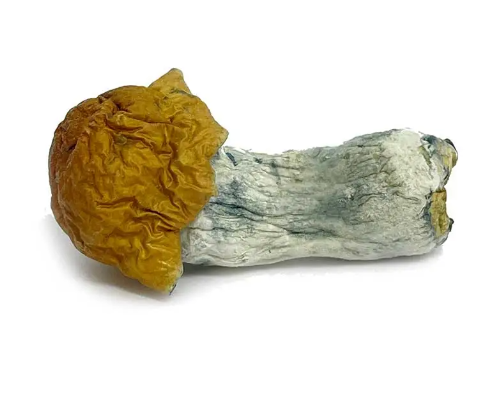
Mushrooms have become increasingly visible in online food, wellness, and lifestyle discussions, but the products associated with them can look very different from one another. Some are presented in their dried form, while others appear in capsules, chocolates, gummies, or other prepared formats. For someone unfamiliar with the category, these differences can make it difficult to understand what each format represents.
Learning about product formats is therefore an important part of developing basic mushroom literacy. The format can influence how a product is packaged, labelled, stored, and presented to consumers. It can also determine what information needs to be considered before making sense of a particular product.
This guide looks at several common mushroom product formats and explains how they differ, helping readers approach the category with greater awareness and a clearer understanding of product presentation.
Dried Mushrooms: The Traditional Product Format
Dried mushrooms are one of the most recognisable ways mushrooms are presented. The drying process removes much of the moisture from the mushrooms, creating a product that is lighter and generally easier to package than fresh specimens.
The appearance of dried mushrooms can vary considerably. Depending on the species or variety, they may differ in colour, size, shape, texture, and overall appearance. These visual differences are sometimes useful for identification, but appearance alone is not always enough to determine exactly what a mushroom is.
For consumers researching this format, product descriptions can provide additional context. Information about the stated mushroom variety, source, packaging, and storage recommendations can help create a clearer picture of what is being offered.
Dried products are also useful for understanding why labelling matters. A clear product page should distinguish the mushroom name from other information and avoid making vague claims that could confuse readers.
Capsules and Encapsulated Mushroom Products
Capsules represent a completely different presentation from dried mushrooms. Instead of displaying the mushroom itself, the ingredients are contained within a capsule, creating a compact and uniform product format.
Capsules can be made using different types of mushroom material or formulations, depending on the product. As a result, the word “capsule” by itself does not explain what is inside. Readers should look at the ingredient information and product description rather than assuming that every mushroom capsule contains the same type of material.
This format also demonstrates why product names need to be read alongside supporting information. A product title may identify a mushroom category, while the description provides additional details about the formulation and contents.
For anyone exploring mushroom-related products for the first time, capsules can initially seem straightforward because of their standard appearance. However, the important differences are often found in the information on the label rather than in the physical appearance of the capsule.
Mushroom Chocolates and Other Edibles
Edible products introduce another layer to the mushroom category because mushrooms may be combined with familiar food formats. Chocolate is one example, allowing mushroom-related products to be presented in a form that looks very different from dried mushrooms or capsules.
This is where the mushroom collection can be useful for readers who want to understand how different product formats are presented within an online category. Shrooms Direct provides a range of mushroom-related products alongside individual product information, giving visitors a way to compare different formats and presentations in one place.
Mushroom chocolates can vary in appearance, ingredients, packaging, and formulation. Therefore, the presence of a mushroom-related name on a chocolate product does not necessarily tell the reader everything about its contents. The ingredient list and product description remain important sources of information.
The same principle applies to other edible formats. Products such as chocolate-based items may contain several ingredients, making it particularly important to distinguish the mushroom component from the rest of the formulation.
Readers should also be aware that the legal status of mushroom products can differ depending on the substance involved and the jurisdiction. In Canada, certain mushroom substances, including psilocybin and psilocin, are controlled under federal law. Understanding the regulatory context is therefore part of responsible product literacy.
Gummies and Candy-Style Products
Gummies and other candy-style products have become another recognisable format within the broader mushroom product market. Their appearance can make them look similar to ordinary confectionery, but their ingredient lists and intended category can be very different.
When looking at these products, several details can help readers understand what they are actually viewing:
- Product name: The name identifies how the product is marketed and categorised.
- Ingredient list: This provides information about the components used in the formulation.
- Product description: Additional details can explain the format and stated contents.
- Packaging information: Packaging can provide useful information about the product and its presentation.
- Regulatory information: The legality of particular mushroom substances varies by location.
Candy-style products also demonstrate why appearance should not be used as the main method of evaluating a product. Two gummies can look almost identical while containing completely different ingredients.
For that reason, consumers should focus on reliable product information rather than judging a product solely by its shape, colour, or packaging.
Comparing Formats Without Focusing Only on Price
When several mushroom products are displayed together, price can become an obvious comparison point. However, price alone rarely explains why two products cost different amounts.
Different formats require different ingredients, processing methods, packaging, and manufacturing considerations. A capsule product, for example, is fundamentally different from a dried mushroom product, while a chocolate product involves additional ingredients and formulation.
A more useful comparison begins with the product information itself.
Readers can consider:
- What type of mushroom or mushroom material is identified?
- What form does the product take?
- What ingredients are listed?
- Is the product description clear and specific?
- Is the quantity or product size clearly stated?
- Does the packaging provide relevant information?
- Are there any legal or regulatory considerations associated with the product?
This approach creates a more informed understanding of the differences between formats. It also reduces the chance of assuming that products are directly comparable simply because they appear under the same broad mushroom category.
Clear descriptions are especially important for online shopping because customers cannot physically inspect a product before making a decision. Good product pages should therefore provide enough information for visitors to understand what is being presented.
What Responsible Product Literacy Looks Like
Understanding mushroom product formats is not simply about recognising the difference between a dried mushroom, capsule, chocolate, or gummy. It is also about learning how to interpret product information carefully.
Responsible product literacy involves separating established information from marketing language. A product description may contain useful details about ingredients and format, but promotional wording should not automatically be treated as scientific evidence.
Several habits can help readers develop a more careful approach:
- Read the complete product description instead of relying only on the product title.
- Check the ingredient information whenever it is available.
- Understand that similar-looking products can have very different formulations.
- Avoid assuming that every product in a broad mushroom category has the same properties.
- Consider the legal status of the relevant substances in the country or region.
- Use reliable educational sources when researching unfamiliar mushroom terminology.
- Treat health or therapeutic claims with particular caution unless they are supported by credible evidence and applicable regulatory approval.
This final point is particularly important because mushroom-related discussions often combine culinary mushrooms, functional mushroom products, psychedelic mushrooms, and other categories. These groups should not automatically be treated as interchangeable.
A clear distinction between product types makes online information easier to understand and helps readers approach the subject with greater awareness.
Conclusion
Mushroom products can appear in many different forms, from dried mushrooms and capsules to chocolates, gummies, and other prepared products. Each format has its own characteristics, packaging considerations, and labelling requirements.
For newcomers, understanding these differences provides a useful foundation for navigating mushroom-related information. Instead of judging products by appearance or price alone, readers can pay closer attention to the stated ingredients, product descriptions, format, and regulatory context.
As the online mushroom market continues to develop, clear information will remain important. A better understanding of product formats allows readers to distinguish between different categories more effectively and approach mushroom-related content with a more informed and responsible perspective.
