
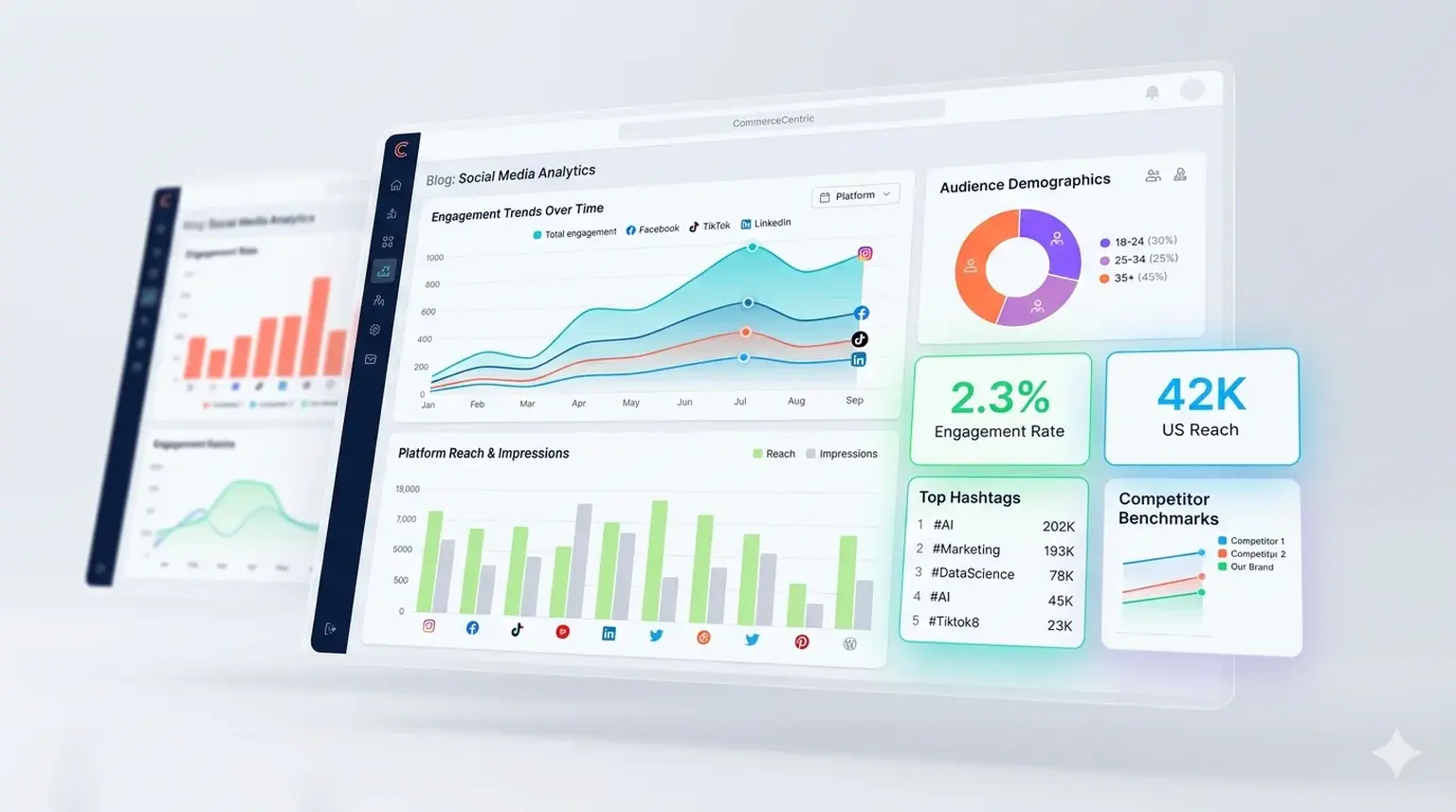
Social media draws several people closer to your business. But getting likes does not put money in the bank. You need to know what people do after they see your posts if you want social media to support sales. Engagement analytics can help in this case. You can look at the numbers behind your posts instead of guessing what your audience wants. The goal should ultimately be to find patterns that tell you what makes people stop to buy.
Look Beyond Likes
Likes are easy to notice but do not tell the story. A post with fewer likes can still bring more customers than a post that gets several reactions. Pay attention to comments or direct messages. These actions can tell you more about buying interest. People may be considering it even if the post does not receive many likes if a product post gets several saves and website visits. These numbers can show which topics bring people closer to making a purchase.
Understand Audience Needs
Your social media data can help you understand what catches people’s attention. Suppose you sell fitness products to notice that posts about home workouts get more clicks than posts about gym equipment. That gives you something to work with. You can create more content around home workouts or connect those topics with products that solve related problems. You are no longer creating posts based on what you think people want. You are using their actions to guide your content.
Track Purchase Path
Measuring social media performance can be done by following what happens after someone interacts with your content. Did they visit your website to look at a product? Did they sign up for a trial or eventually make a purchase? This helps you separate content that gets attention from content that helps generate sales. You can also compare campaigns to see which ones bring customers cheaply. The same focus on activity can be applied to internal workflows for teams that use employee monitoring solutions. The key is to use data to understand work patterns rather than simply count activity.
Use Data to Improve Your Content
Analytics becomes useful when you act on what you find. Create more short videos if short videos get more product page visits than static posts. If customer questions in comments keep appearing around the same issue, make a post that answers that question. You can also test different headlines or calls to action. Change one thing at a time when possible so you can see what made a difference. Tools like Controlio analytics 2.0 can also give an overview of performance. The broader lesson is that numbers are useful when they help you make better decisions.
Use Analytics
You do not need to spend hours studying dashboards. Set aside time each week to review numbers. Look for changes or identify the content that brought meaningful actions. Social media engagement analytics works best when it becomes part of your processes. Doing this helps your social media strategy become more about creating content that helps people move toward a purchase.
