
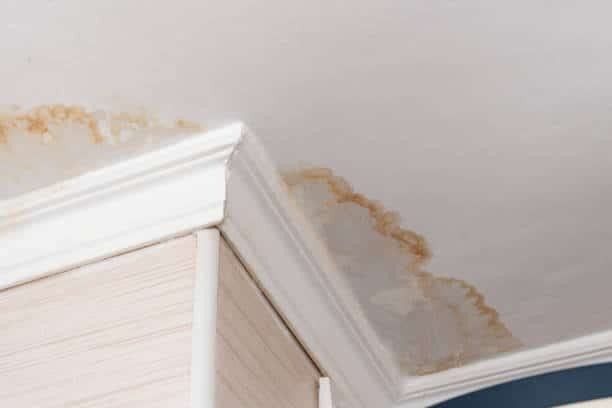
The Problem
Water damage rarely announces itself with a single dramatic event. A slow pipe leak behind a wall, a failed water heater, or a storm that pushes rain past a roofline can all set the same process in motion. Within twenty-four hours, moisture begins to migrate through drywall, insulation, and subflooring, often reaching areas far from the original source. This hidden movement is what makes early inspection so valuable, even when a leak initially looks minor. By the time a homeowner notices a stain or a musty smell, the water has usually already traveled well beyond what is visible.
The financial and structural consequences build quickly once moisture settles into porous materials. Wood framing can swell and warp, drywall loses its integrity, and mold colonies can establish themselves in as little as forty-eight to seventy-two hours under the right conditions. Homeowners who delay action, sometimes out of uncertainty about cost or process, often find that a manageable repair has turned into a larger reconstruction project. Insurance policies also grow more complicated the longer damage sits untreated, since adjusters expect prompt mitigation and may question claims filed weeks after an incident. The problem compounds because standing water and trapped humidity do not resolve on their own, even after visible puddles are removed.
The Approach
Addressing water intrusion requires more than mopping up standing water and running a few fans. Professional teams such as water damage restoration Columbia mo typically begin with a moisture assessment that maps how far water has traveled into walls, flooring, and ceiling cavities. This step determines which materials can be dried in place and which need to be removed entirely. Photographs and moisture readings taken at this stage also create a paper trail that proves useful later, whether for insurance purposes or simply to confirm progress. Extraction equipment pulls out bulk water first, followed by industrial dehumidifiers and air movers positioned to target the specific areas identified during assessment.
The drying phase is monitored rather than assumed complete after a set number of days. Technicians return to measure moisture content in wood, drywall, and subfloor materials, adjusting equipment placement as readings change. In cases where flooring or drywall cannot be dried effectively, removal happens early rather than after weeks of guesswork, which shortens the overall timeline. Odor control and antimicrobial treatments are applied where contamination risk exists, particularly in cases involving groundwater or sewage backup. Once materials reach acceptable moisture levels, the space is cleared for reconstruction, whether that means new drywall, flooring, or trim work.
What to Look For
Homeowners evaluating a restoration company should look past the marketing and focus on documented process. A reputable provider explains their moisture-mapping method, shows readings rather than guesses, and provides a written scope of work before demolition begins. Response time matters as well, since the first several hours after a leak determine how much material can be saved versus replaced. References from past clients, particularly those with similar water damage situations, can reveal how a company handles unexpected complications. Insurance coordination is another practical consideration, as many companies work directly with adjusters to streamline claims.
Certification and adherence to established protocols separate serious operators from those cutting corners. Companies trained to the IICRC restoration standards typically follow consistent procedures for extraction, drying, and contamination control, regardless of which technician is on site. Asking about training and equipment calibration is a reasonable step before signing any contract. Homeowners are not expected to become experts in restoration science, but a company willing to explain its reasoning in plain language is usually one worth hiring. A clear explanation of the drying timeline, along with realistic expectations about reconstruction, tends to indicate a company that has handled this type of damage many times before, not just occasionally.
