
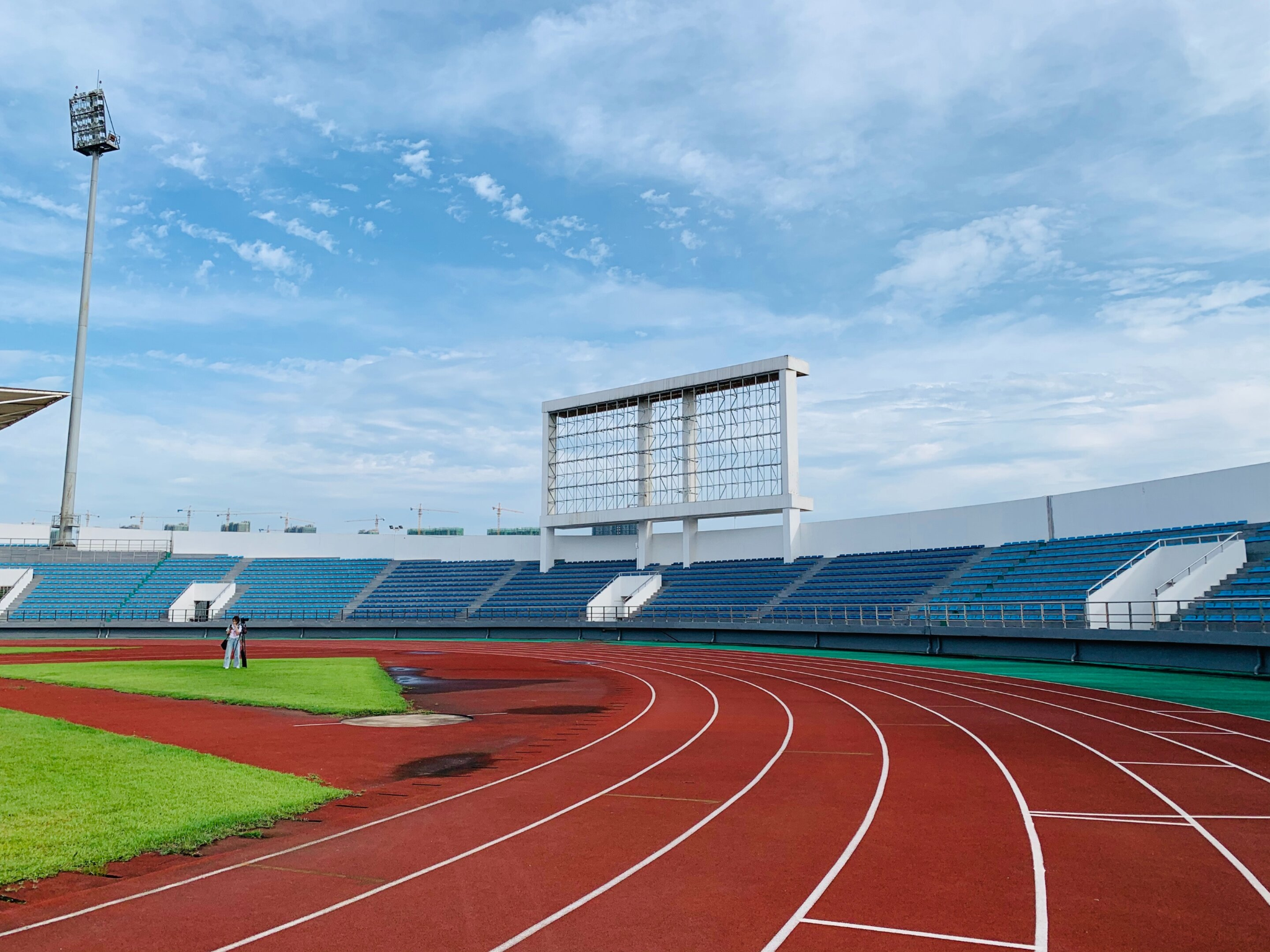
Sports venues are increasingly expected to support more than one type of activity. A well-planned facility can accommodate sporting events, community programmes, entertainment, and other gatherings while maintaining practical movement and operational needs. This makes thoughtful planning an important part of developing effective sports infrastructure solutions, particularly as venues are expected to become more flexible and useful.
Multi-purpose design focuses on creating spaces that can adapt without compromising safety, accessibility, spectator comfort, or operational efficiency. It brings architecture, infrastructure, technology, and sustainability considerations together to create facilities that can serve different requirements across their lifecycle.
Why Flexibility Matters in Sports Venue Planning
A venue designed around a single use may have limited value when there are long periods between major events. Multi-purpose planning can help facilities accommodate different activities and make better use of available spaces throughout the year.
Flexibility also encourages planners to think beyond the main playing area. Seating arrangements, access routes, hospitality areas, support spaces, and public zones can all be considered according to how different events may use the facility.
Designing Venues That Serve More Than One Purpose
Multi-purpose sports facilities can be planned to accommodate different event formats while keeping their core sporting functions intact. Spaces such as seating areas, concourses, hospitality zones, meeting spaces, and open areas can be designed with flexibility in mind, allowing the venue to support varied activities without extensive structural changes.
This approach can make sports infrastructure more practical and adaptable over its lifespan. By considering different users, event requirements, movement patterns, technology needs, and operational processes during the planning stage, developers can create venues that remain useful across sporting and non-sporting activities.
Key Elements of Multi-Purpose Venue Design
Successful multi-purpose venues require careful planning because different events can place different demands on the same facility. Design decisions need to consider how spaces will be accessed, transformed, managed, and maintained between uses.
The focus should be on creating adaptable infrastructure without making the venue unnecessarily complicated. Practical sports infrastructure solutions can help bring together flexible layouts, efficient circulation, sustainability measures, and technology-enabled operations within one broader planning approach.
1. Adaptable Seating Arrangements
Flexible seating can allow a venue to accommodate different audience sizes and event formats. Movable or configurable sections can support changes in how spectators are positioned while helping operators manage the available space more effectively.
2. Flexible Event Spaces
Dedicated areas that can support different activities can increase the functional value of a sports facility. Such spaces may be planned to accommodate sporting, entertainment, community, or other organised events without requiring major structural changes.
3. Efficient Back-of-House Areas
Player facilities, service areas, storage, loading zones, and staff spaces need to support different event requirements. Thoughtful planning can make transitions between events more organised while keeping operational areas separate from public circulation.
4. Accessible Circulation
Entrances, corridors, ramps, stairs, and internal routes should support smooth movement for different groups of visitors. Clear circulation planning can make venues easier to navigate while contributing to safer and more inclusive experiences.
5. Integrated Technology Infrastructure
Technology requirements should be considered alongside physical design. Connectivity, smart ticketing, access systems, surveillance, and other digital infrastructure can be incorporated into venue planning to support changing operational needs.
Planning Priorities for Adaptable Sports Facilities
Multi-purpose design works best when flexibility is considered from the earliest planning stages. Architects, engineers, venue operators, technology providers, and other stakeholders can assess how different requirements may affect the physical and digital infrastructure.
- Flexible layouts for different event formats
- Efficient movement between public and operational areas
- Infrastructure that supports changing technology requirements
- Sustainable systems for energy and resource management
- Safety features that can work across different venue configurations
These priorities can help create facilities that remain practical across different uses. Instead of designing around a single event type, planners can build an environment capable of adapting to changing operational and audience requirements.
Connecting Sustainability With Multi-Purpose Design
Adaptability and sustainability can work together when venues are designed to use resources efficiently across different activities. Features such as solar microgrids and water recycling can support more responsible facility operations while fitting into a broader approach to sustainable venue development.
Sustainable design also involves considering how a facility performs beyond individual events. A venue that can serve multiple purposes may support more consistent use of its infrastructure, while flexible planning can help reduce the need for major alterations when requirements change.
How Multi-Purpose Venues Improve Long-Term Usability
The value of a multi-purpose venue extends beyond its ability to host different events. It can create a more adaptable physical environment where operators can respond to changing audience expectations, event formats, and operational requirements without treating every change as a completely new infrastructure challenge.
This approach also encourages closer coordination between design and technology. As stadiums become increasingly connected, infrastructure planning can account for systems such as venue connectivity, crowd intelligence, AI-enabled safety, smart ticketing, and contactless access as part of a wider operational environment. These areas are among the topics highlighted by the summit website.
Conclusion
Multi-purpose design can make sports facilities more adaptable, functional, and prepared for varied uses. By considering flexible spaces, accessible circulation, sustainable systems, operational requirements, and integrated technology from the planning stage, venue developers can create infrastructure that responds to more than a single event format. This approach supports the development of practical, adaptable sports facilities built around evolving requirements.
For professionals interested in exploring these ideas with venue operators, architecture and engineering firms, technology providers, government bodies, and other industry stakeholders, Smart Stadiums & Sports Infra Summit provides a focused platform for industry exchange. As a sports infrastructure conference in India, it brings attention to multi-purpose venue design alongside stadium connectivity, crowd intelligence, AI surveillance and safety, smart ticketing, sustainable infrastructure, and other areas shaping the sports infrastructure ecosystem.