
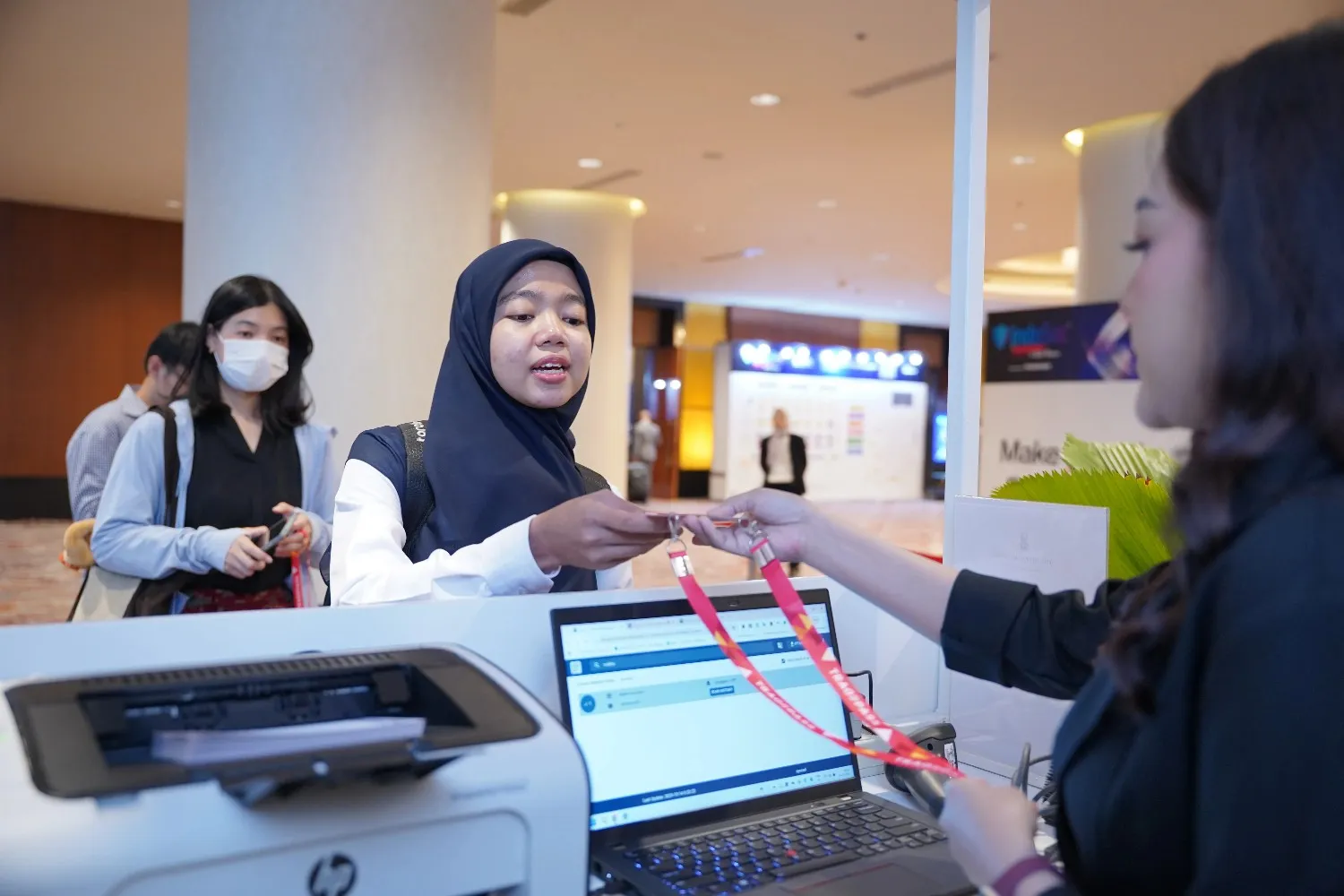
Cyber threats no longer stop at national borders. A vulnerability discovered in one region can quickly affect organisations, supply chains, cloud environments, and customers thousands of kilometres away. As businesses become increasingly interconnected, defending digital infrastructure requires more than isolated security measures; it calls for continuous cooperation, shared intelligence, and collective expertise. In this environment, a global cybersecurity summit can provide an important setting for security professionals to examine emerging risks, exchange practical knowledge, and understand how different markets are responding to increasingly complex threats. Collaboration allows organisations to move beyond reactive defence and develop security strategies that account for interconnected systems, evolving technologies, and cross-border risks.
Why Cybersecurity Has Become a Shared Responsibility
Modern organisations rely on digital ecosystems that extend well beyond their internal networks. Cloud service providers, software vendors, payment platforms, telecommunications companies, contractors, and third-party applications can all form part of an organisation’s technology environment. A weakness anywhere along this chain may create consequences elsewhere. This interconnectedness means cybersecurity can no longer be treated solely as an internal IT function. Businesses, governments, technology providers, regulators, and security professionals all have roles to play in strengthening digital resilience.
Collaboration helps these stakeholders understand common challenges from different perspectives. Government authorities may focus on national preparedness and regulation, while enterprises concentrate on operational continuity and risk management. Technology providers, meanwhile, can contribute solutions and technical expertise. Bringing these perspectives together can help identify gaps that may remain hidden when organisations operate independently.
Sharing Threat Intelligence Across Borders
One of the most valuable outcomes of cybersecurity collaboration is the exchange of threat intelligence. Cybercriminals frequently reuse techniques, infrastructure, malware families, and social engineering tactics across different countries and industries. When security teams share information about indicators of compromise, attack patterns, vulnerabilities, and defensive measures, other organisations can potentially identify similar activity earlier. This can shorten the time between detection and response.
However, effective information sharing requires trust. Organisations need suitable processes for determining what information can be shared, how sensitive intelligence should be protected, and how insights can be translated into practical security controls. International cooperation can also help organisations recognise regional variations in cyber threats. An attack technique that appears relatively limited in one market may become more significant when digital services expand into another. Understanding these patterns enables security leaders to prepare for threats before they become widespread.
From Isolated Defences to Collective Resilience
Traditional cybersecurity strategies often focus on strengthening individual organisations. Firewalls, endpoint protection, identity controls, encryption, and monitoring systems remain important, but these measures represent only one part of a broader security picture. Collective resilience considers how organisations, industries, and public institutions can continue operating when a major cyber incident occurs. This includes establishing incident-response procedures, maintaining communication channels, testing recovery plans, and coordinating with relevant external stakeholders.
The importance of this approach becomes particularly clear in sectors such as banking, telecommunications, healthcare, transportation, energy, and government. Disruption to one critical service can create consequences for other connected services. Cross-industry discussions therefore provide an opportunity to examine cyber resilience from a wider perspective. Security leaders can compare approaches to business continuity, third-party risk, incident response, and crisis communication while learning from experiences outside their own sectors.
The Role of International Cybersecurity Events
Professional cybersecurity gatherings have evolved beyond traditional conferences. They increasingly provide environments where security leaders can explore emerging technologies, discuss operational challenges, and build relationships that continue beyond the event. Across Southeast Asia, professionals looking for the best cybersecurity events in Indonesia can find value in platforms that bring together different parts of the cybersecurity ecosystem. Such events can create opportunities to understand how organisations are approaching cloud security, artificial intelligence, zero-trust architecture, digital forensics, mobile security, and cyber warfare.
Developing a Stronger Cybersecurity Workforce
Technology alone cannot create resilient digital environments. Skilled professionals are required to design security architectures, investigate incidents, manage risk, interpret threat intelligence, and respond to emerging attacks. Global collaboration can contribute to workforce development by exposing professionals to different methodologies and experiences. Security practitioners can learn how peers in other industries approach common problems, while organisations can identify emerging skills that may become increasingly important. Knowledge exchange also helps reduce the gap between theoretical cybersecurity concepts and their practical application. Discussions around real incidents, digital forensics, zero-trust implementation, cloud security, and incident response can provide professionals with perspectives that are difficult to gain from technology alone.
Turning Conversations Into Practical Action
The success of cybersecurity collaboration ultimately depends on what happens after the conversation ends. Events, forums, and professional networks can generate valuable ideas, but organisations need mechanisms for turning those ideas into action. This can involve reviewing existing security controls, conducting tabletop exercises, improving incident-response procedures, strengthening vendor assessments, or updating employee awareness programmes.
Security leaders can also use insights from industry discussions to reassess their assumptions. A strategy that worked effectively several years ago may no longer address today’s threat environment, particularly as organisations adopt new cloud architectures, connected devices, AI systems, and digital platforms. Practical collaboration therefore requires continuous learning. Cybersecurity is not a one-time project but an ongoing process of adapting people, processes, and technology to changing risks.
Conclusion
The future of cybersecurity will increasingly depend on the ability of different stakeholders to work together. Threat intelligence sharing, public-private cooperation, professional education, technology partnerships, and cross-border dialogue can collectively strengthen the resilience of the wider digital ecosystem. As cyber risks become more interconnected, security leaders need opportunities to look beyond their own organisations and understand the broader forces shaping digital defence. Platforms that bring policymakers, enterprise decision-makers, technology specialists, and cybersecurity professionals into the same conversation can help create that wider perspective.
For professionals seeking such an environment, IndoSec Summit provides a platform centred on knowledge exchange, industry dialogue, technology exploration, and professional networking. Its focus on bringing together security leaders, government representatives, enterprises, and technology providers reflects the increasingly collaborative nature of cybersecurity. Discussions spanning areas such as cloud security, zero trust, cyber warfare, digital forensics, mobile threats, and enterprise protection further demonstrate how broad the modern security conversation has become.