
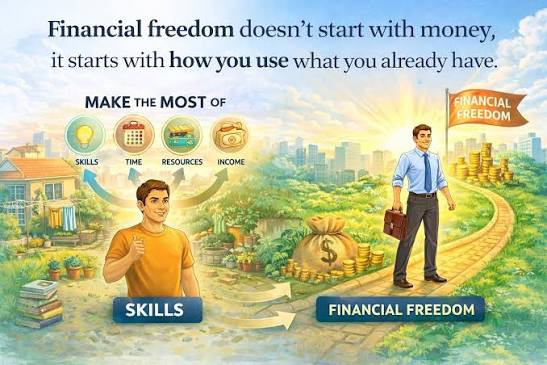
A lot of people imagine financial freedom as a dramatic finish line. It looks like a huge salary, a fully funded retirement account, a paid off house, and a life so comfortable that money never enters the conversation again. That version of freedom sounds nice, but it can also feel far away, especially for people trying to make rent, keep up with credit cards, or recover from one bad month that turned into a hard year.
Real freedom usually starts much earlier than that. It begins in smaller, less glamorous moments. It starts when you know what bills are due. It starts when you stop spending just to calm yourself down for an hour. It starts when your next decision is based on intention instead of panic. For many people, getting help through options like debt relief in New York can be part of that shift, not because it makes someone instantly wealthy, but because it can create breathing room. Breathing room is often the first real sign of independence.
That idea matters because debt does more than drain a bank account. It can shrink your choices. It can decide whether you answer your phone, whether you sleep well, whether you say yes to a school trip for your child, or whether one unexpected expense sends everything off the rails. When money stress runs the show, freedom is not really about net worth. It is about getting your life back from constant reaction mode.
Wealth Is Not the First Step
There is a common belief that good habits come after financial success. People think, “Once I earn more, I’ll be organized. Once my debt is gone, I’ll feel calm. Once I save enough, I’ll make smarter choices.” Usually, it works in the opposite direction.
Order often comes before abundance. Someone who begins checking balances regularly, planning grocery trips, setting limits, and opening bills instead of avoiding them is already practicing freedom. Their bank account may not look impressive yet, but their behavior is moving from helplessness to control. That is a major change, and it deserves more respect than it usually gets.
This is also why two people with the same income can feel completely different about money. One feels trapped, even while earning more. The other feels steady, even while rebuilding. The difference is often not luxury. It is the presence of systems, awareness, and honest decisions.
Control Changes Your Nervous System
Money is emotional long before it is mathematical. A person can know exactly what they should do and still struggle to do it if every financial task feels loaded with shame, fear, or exhaustion. That is why financial freedom is partly about reducing chaos.
When you create even a little structure, your mind stops treating every expense like an emergency. A written plan, a call to a creditor, a scheduled payment date, or a separate emergency savings bucket can lower the feeling that disaster is always one step away. Guidance from the New York State Department of Financial Services consumer resources can also help people understand their options and respond from a place of knowledge instead of fear.
That kind of calm is easy to underestimate. But calm is useful. Calm helps people think clearly, negotiate better, and stick with boring decisions that pay off over time. In other words, peace is not the reward at the end of financial progress. Very often, it is the condition that makes progress possible.
Small Wins Are Not Small at All
One of the biggest mistakes people make is dismissing modest improvements because they do not look like wealth. But paying one account on time after months of missed payments matters. Cooking at home for a week matters. Canceling a subscription you forgot about matters. Saving fifty dollars matters.
These actions are not powerful because they are huge. They are powerful because they rebuild trust in yourself. Debt often damages more than finances. It damages confidence. People start to feel like they are bad with money by nature, as if every mistake proves something permanent about them. Repeated small wins challenge that story.
That is when freedom starts to feel real. Not when life becomes perfect, but when your habits begin to show that you are no longer fully controlled by impulse, avoidance, or fear.
Support Counts More Than Pride
Another overlooked part of financial freedom is accepting help sooner. Many people wait until things feel unbearable before talking to a nonprofit counselor, researching relief options, applying for assistance, or asking a trusted family member to help them make a plan. Pride can be expensive.
There is nothing weak about using tools that protect your stability. In fact, strong financial decisions are often practical, not heroic. A person learning to compare options, understand obligations, and build a realistic plan is doing serious work. Educational tools from the University of Wisconsin Madison Division of Extension financial education program can support that process with practical guidance for day to day money management.
Freedom grows when you stop thinking every money problem must be solved alone. Community resources, professional guidance, and educational support can all shorten the distance between stress and stability.
A Free Life Usually Looks Ordinary
This may be the least exciting truth of all. Financial freedom, at least in its early form, usually looks boring. It looks like knowing your numbers. It looks like fewer surprises. It looks like a smaller sense of dread. It looks like saying, “I cannot afford that right now,” without feeling humiliated. It looks like handling problems while they are still manageable.
There may still be debt. There may still be a tight budget. There may still be a long road ahead. But if your daily life is becoming more intentional, more honest, and less ruled by panic, you are not waiting for freedom anymore. You are already entering it.
That shift matters because wealth built without self control often disappears. But self control built during hard times tends to stay. It becomes the foundation for everything that comes later, including savings, investing, opportunity, and real choice.
Freedom Starts Earlier Than People Think
The first taste of financial freedom is not always extra money. Sometimes it is clarity. Sometimes it is the moment you finally look at the total, make the call, ask for help, or decide that your peace is worth more than appearances.
Wealth can absolutely expand freedom. But freedom often begins before wealth shows up. It begins the moment your life is no longer being run entirely by debt, avoidance, and financial fear. That beginning may be quiet, imperfect, and invisible to everyone else. Still, it counts. In many cases, it is the most important financial milestone of all.
