
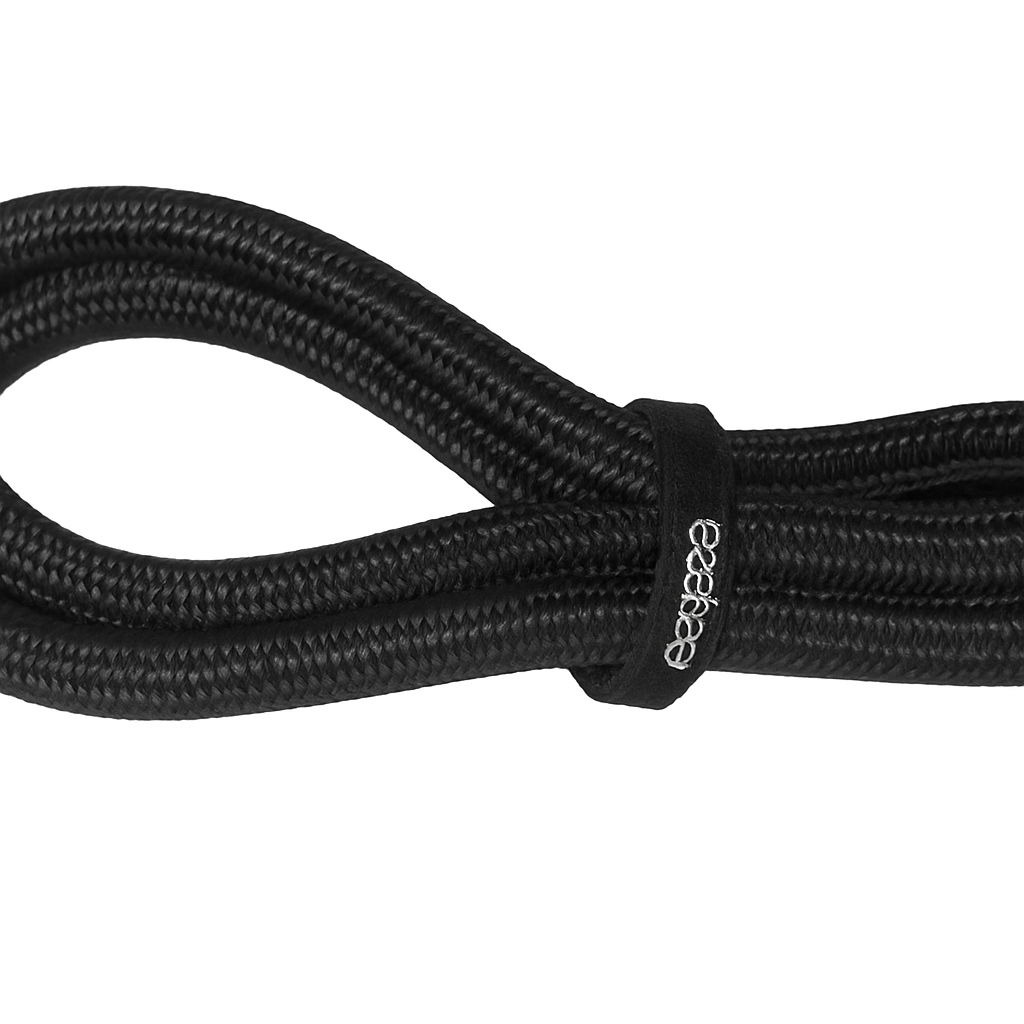
Modern boating equipment continues to evolve, with lightweight and high-strength materials becoming increasingly popular among sailors and marine professionals. Dyneema rope is one such solution, offering an impressive combination of strength, low weight, and excellent handling characteristics. It is widely used in sailing, rigging, control lines, and other applications where reliable performance and reduced weight are important.
What Is Dyneema Rope?
Dyneema is a high-performance synthetic fiber known for its exceptional strength-to-weight ratio. Rope made with Dyneema fibers can provide substantial strength while remaining considerably lighter than many traditional rope materials.
This combination makes Dyneema rope particularly attractive for applications where reducing weight without sacrificing strength is a priority. It is available in different constructions, diameters, and configurations to suit a wide range of marine requirements.
Lightweight Performance
One of the key benefits of Dyneema rope is its low weight. For sailors and boat owners, reducing unnecessary weight can make equipment easier to handle and transport.
Lightweight rope is particularly useful when working at height, handling sail-control systems, or managing long lengths of line. Its relatively low mass can also make coiling, storage, and installation more convenient.
High Strength for Marine Applications
Strength is another major advantage of Dyneema rope. Its high strength-to-weight ratio allows manufacturers to produce strong lines in relatively compact diameters.
This can be beneficial in sailing systems where space is limited or where smaller-diameter lines are desirable. Dyneema-based lines are commonly considered for applications such as halyards, sheets, control lines, and various rigging systems.
The exact performance of any rope depends on its construction, diameter, splicing method, hardware compatibility, and operating conditions, so selecting a product designed for the intended application is important.
Low Stretch and Precise Control
Dyneema rope is also valued for its low stretch characteristics. In sailing applications, reduced stretch can help maintain more consistent line tension and provide precise control over sails and rigging systems.
This can be especially useful when accurate adjustment is important. By limiting unwanted elongation, a suitable Dyneema line can contribute to responsive handling and efficient operation of sailing equipment.
Durability and Abrasion Considerations
Although Dyneema fibers offer excellent strength, rope performance depends on how the line is used. Repeated friction, sharp edges, excessive heat, and unsuitable hardware can affect rope longevity.
For this reason, careful routing and proper hardware selection are important. Rope should be inspected regularly for signs of abrasion, damage, or unusual wear. Following manufacturer recommendations for installation and maintenance can help preserve performance.
Versatile Uses on Boats
The versatility of Dyneema rope makes it suitable for many marine applications. It can be found in modern sailing systems, running rigging, control lines, and specialized lightweight rigging solutions.
Its compact diameter can also be useful when reducing windage or creating cleaner, more efficient rigging arrangements. For performance-oriented sailors, these characteristics can make Dyneema an appealing alternative to conventional rope materials.
Choosing the Right Dyneema Rope
When selecting Dyneema rope, boat owners should consider the required strength, diameter, construction, length, and intended use. Compatibility with blocks, cleats, winches, shackles, and other deck hardware is also important.
Different rope constructions can offer different levels of flexibility, grip, abrasion resistance, and handling. Selecting a product specifically designed for the application can help achieve reliable and long-lasting results.
Conclusion
Dyneema rope offers a compelling combination of high strength, low weight, and low stretch for modern marine applications. From sailing rigging to control lines and specialized equipment, it can provide efficient performance while helping reduce the overall weight of a boat's rope system.
With proper selection, installation, inspection, and maintenance, Dyneema rope can be a valuable addition to a modern marine setup. Its advanced fiber technology continues to make it a popular choice for boat owners seeking lightweight and high-performance rope solutions.
