
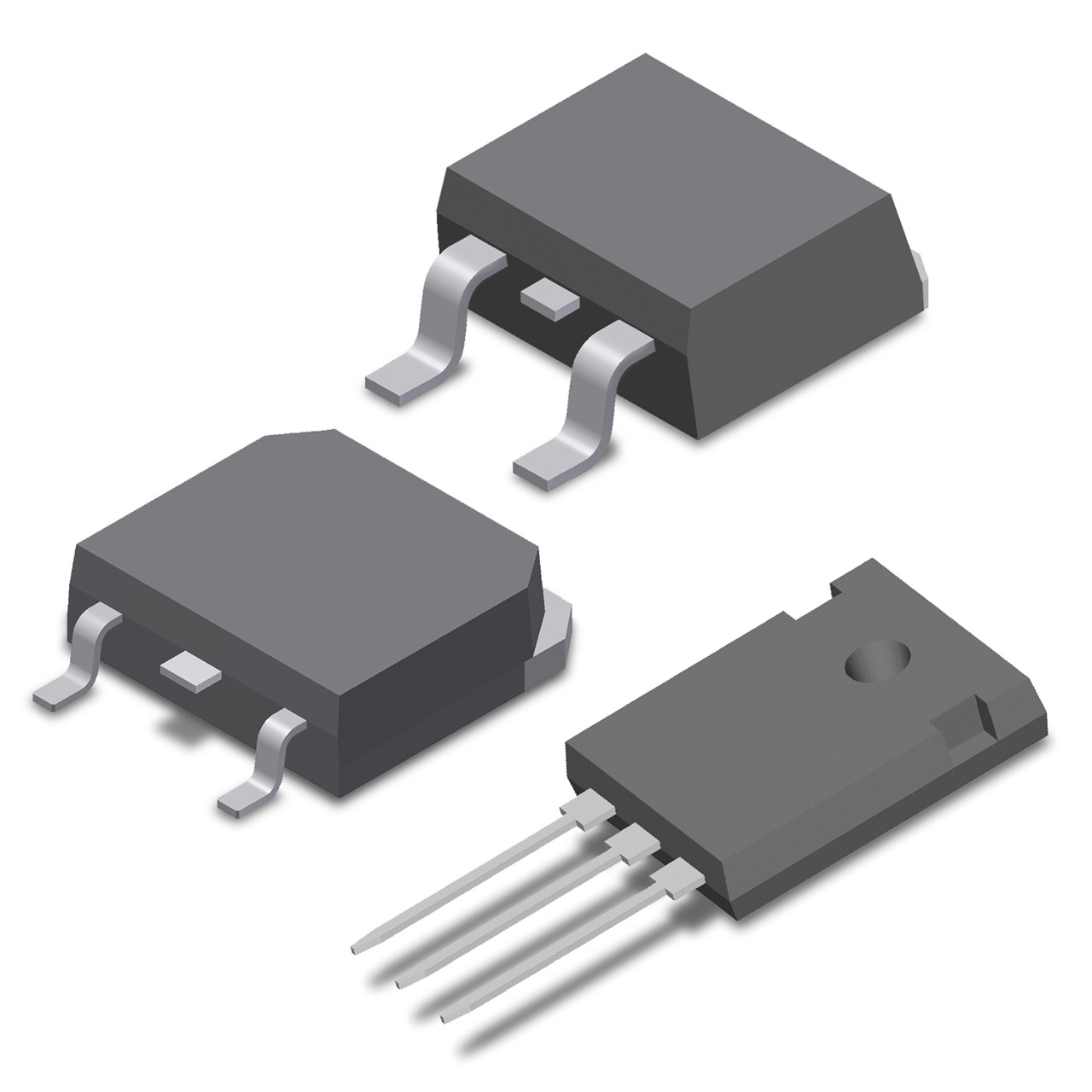
Introduction
Modern electronic systems need power components that can handle high temperatures, manage electrical energy efficiently, and provide reliable performance under demanding conditions. As industries move toward advanced power electronics, silicon carbide (SiC) technology is becoming an important choice for applications that require high efficiency and strong thermal performance. SiC Schottky diodes are especially valuable because they offer low switching losses, fast response, and the ability to operate at higher temperatures than many traditional silicon-based alternatives.
Good-Ark is a diode manufacturer with a long history of development, production experience, and a commitment to continuous improvement. As the company expands its global ambitions, its focus on quality, customer appreciation, and responsible business practices supports its role in the evolving semiconductor industry. Understanding how SiC Schottky diodes work, why high-temperature operation matters, and where these components are used can help engineers and businesses make informed decisions when selecting power semiconductor solutions.
Understanding SiC Schottky Diodes and Their Key Benefits
SiC Schottky diodes are power semiconductor devices made from silicon carbide, a wide-bandgap material known for its high breakdown electric field, good thermal conductivity, and ability to perform under demanding electrical conditions. Unlike conventional silicon diodes that use a p-n junction, a Schottky diode uses a metal-semiconductor junction. This structure supports a low forward voltage drop and fast switching behavior, making the device useful in circuits where reducing power losses is a major goal.
One of the main advantages of SiC Schottky diodes is their low reverse-recovery charge. When a conventional diode switches from conducting to blocking, stored charge can create additional losses and electrical stress. SiC Schottky devices generally have very low minority-carrier storage, helping reduce these switching losses. This benefit is particularly important in high-frequency power converters, where components switch rapidly and even small efficiency improvements can affect overall system performance. For engineers, these characteristics can support compact designs, improved thermal management, and dependable operation when the diode is selected for the correct electrical conditions.
Why High-Temperature Operation Matters in Power Electronics
Temperature has a direct effect on the performance, safety, and service life of electronic components. In power conversion systems, heat can develop because of conduction losses, switching activity, and surrounding environmental conditions. If that heat is not managed properly, it can increase component stress, reduce reliability, and force equipment designers to use larger cooling systems. SiC Schottky diodes help address these challenges because silicon carbide maintains useful electrical properties at elevated temperatures and offers a higher critical electric field than conventional silicon.
High-temperature capability can be valuable in industrial equipment, electric vehicle power systems, renewable energy installations, and other applications where space and cooling resources are limited. However, high-temperature operation does not mean that every device can work safely at any temperature. Engineers must review the specified maximum junction temperature, forward current rating, reverse voltage rating, thermal resistance, and package limitations. Proper heat sinks, circuit layout, and operating margins remain essential. By combining the material advantages of SiC with sound engineering practices, designers can develop power electronics that deliver efficient operation without compromising safety or long-term reliability.
The Role of Good-Ark in the Semiconductor Industry
Good-Ark has developed from a small factory into an established diode enterprise through years of production experience, employee dedication, and customer relationships. The company's history reflects a long-term commitment to building manufacturing capability and developing its presence in the semiconductor market. Its next stage of growth focuses on extending its reputation beyond China and strengthening cooperation with customers and suppliers around the world. This direction is relevant as demand grows for dependable components used in increasingly advanced electronic systems.
The company's stated values also emphasize employee well-being, continuous learning, self-reflection, and responsibility toward society. These principles provide important context for understanding Good-Ark as a business rather than viewing semiconductor manufacturing only through technical specifications. For buyers evaluating diode manufacturers, product documentation, quality controls, manufacturing consistency, technical support, and supply reliability should remain central considerations. Customers interested in SiC Schottky diodes should confirm the available product range and technical specifications directly with Good-Ark. Matching the right component to an application's voltage, current, temperature, and switching requirements is essential for achieving the intended performance.
Applications of SiC Schottky Diodes in Modern Technology
SiC Schottky diodes are widely suited to power conversion designs that benefit from low switching losses and high-voltage capability. In solar inverters, they can support efficient conversion of energy generated by photovoltaic panels. In electric vehicle charging equipment, these devices can help improve the performance of high-frequency conversion stages. Industrial power supplies, battery charging systems, and uninterruptible power supplies may also benefit from the fast switching characteristics of silicon carbide components, depending on the circuit design and operating requirements.
Renewable energy systems and industrial automation continue to place greater demands on power efficiency, thermal control, and equipment reliability. SiC Schottky diodes can help engineers meet these demands when used in suitable circuit topologies. Their benefits may include reduced switching losses, lower cooling requirements, and improved power density. However, the final results depend on more than the diode alone. Switching frequency, gate-drive design for associated transistors, parasitic inductance, electromagnetic interference, and cooling arrangements all influence system performance. Careful component selection and testing help ensure that the advantages of SiC technology translate into measurable improvements in real-world applications.
Selecting the Right SiC Schottky Diodes for Reliable Performance
Choosing the right SiC Schottky diode begins with understanding the electrical and thermal demands of the application. Engineers should identify the maximum reverse voltage, expected forward current, surge current, switching frequency, and operating temperature range. They should also examine forward voltage characteristics, leakage current, package type, and thermal resistance. These details help determine whether a particular device can meet the required performance targets while maintaining suitable safety margins during normal operation and temporary overload conditions.
Manufacturer documentation is another important part of the selection process. Reliable datasheets provide the limits and test conditions needed to compare devices accurately. Engineers should also evaluate component availability, production consistency, qualification requirements, and supplier support. When considering Good-Ark for diode-related applications, customers can discuss their circuit requirements and request the relevant technical information for suitable products. Prototype testing under realistic operating conditions is recommended before large-scale deployment. This process can reveal thermal issues, unexpected switching behavior, and layout-related problems early, helping businesses reduce redesign costs and improve the reliability of their finished equipment.
The Future of SiC Technology and Efficient Power Conversion
The demand for efficient power electronics is increasing as transportation, energy generation, data infrastructure, and industrial equipment become more electrically advanced. Silicon carbide is an important part of this development because its material properties support high-voltage operation, fast switching, and improved performance in demanding thermal environments. As power systems evolve, engineers are likely to continue exploring SiC Schottky diodes and other wide-bandgap semiconductor devices to improve conversion efficiency and reduce unnecessary energy losses.
For manufacturers such as Good-Ark, the changing semiconductor landscape creates opportunities to strengthen technical capabilities, develop customer relationships, and support applications that require dependable electronic components. Long-term success depends on consistent product quality, technical knowledge, responsible manufacturing, and a clear understanding of customer needs. Continued learning and collaboration across the supply chain can help manufacturers and customers respond to new design challenges. Although SiC technology offers important advantages, its value depends on choosing the right device, applying it correctly, and evaluating performance through careful engineering.
Conclusion
SiC Schottky diodes play an important role in modern power electronics by combining fast switching, low reverse-recovery losses, and strong material properties for demanding operating environments. These features make them useful in solar inverters, electric vehicle charging systems, industrial power supplies, and other energy conversion applications. Their high-temperature capabilities can support more efficient designs, provided that engineers follow manufacturer ratings and apply suitable thermal management practices.
Good-Ark's manufacturing history, focus on customer appreciation, and ambition to expand internationally provide a foundation for its continued development in the diode industry. For businesses exploring advanced power semiconductor components, understanding the benefits and limitations of SiC Schottky diodes is an important step toward making informed technical decisions. By combining careful component selection with reliable manufacturing partnerships and sound circuit design, engineers can build power systems that deliver improved efficiency, dependable operation, and lasting value.
