
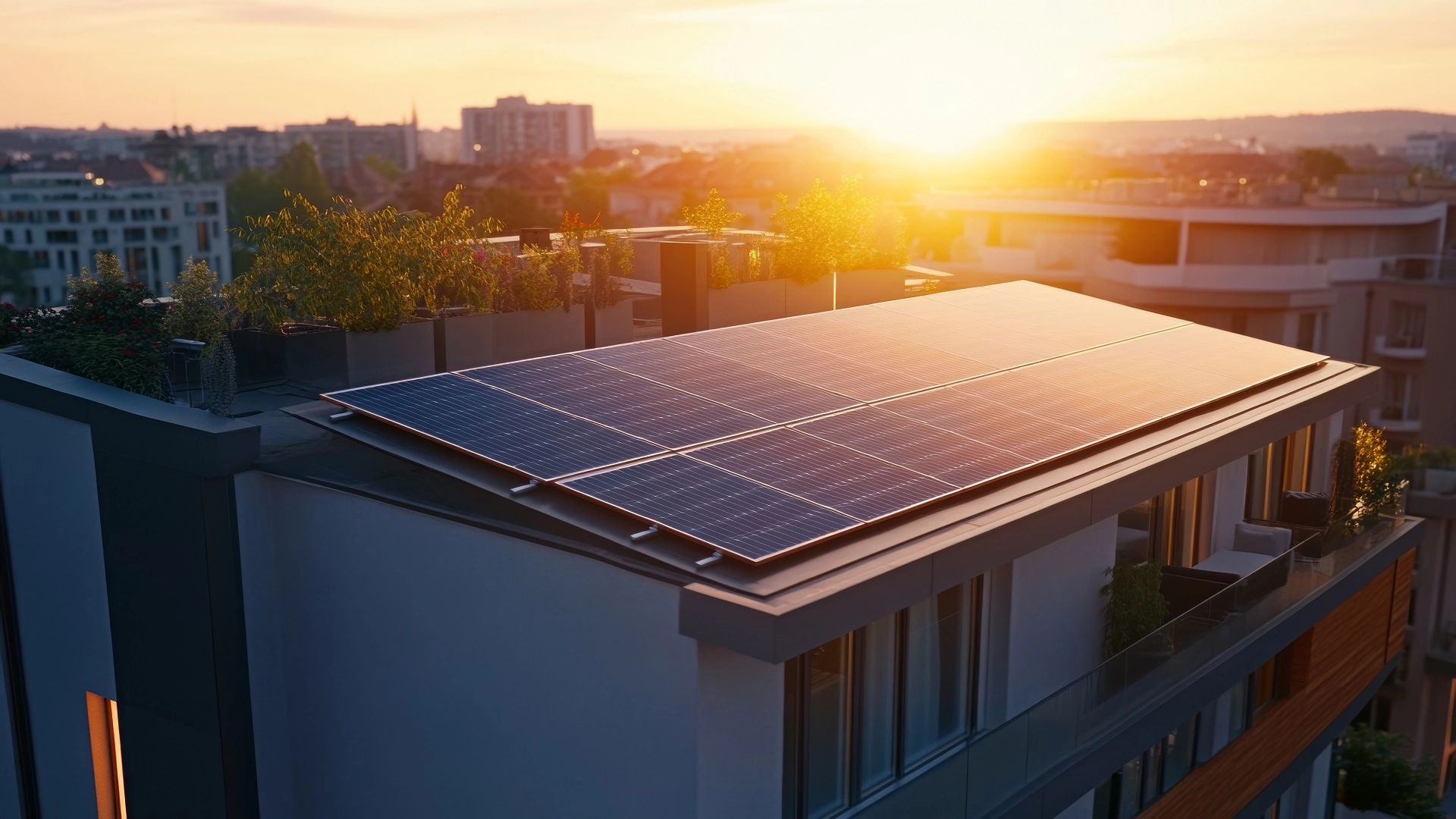
Residential solar has become one of the most practical home upgrades for homeowners who want more control over energy costs. As utility bills continue to be a concern, more families are looking for ways to reduce monthly expenses and make their homes more efficient.
But solar is not just about lowering a power bill. It is also about long-term planning. Homeowners are thinking about future energy needs, battery storage, electric vehicles, backup power, and the condition of their roof before making a decision.
This broader view is changing the way homeowners choose solar companies.
Solar Is Becoming Part of a Bigger Home Strategy
In the past, many homeowners viewed solar as a simple installation project. A company would place panels on the roof, connect the system, and help the homeowner start generating electricity. Today, the decision is more layered.
A homeowner may want solar for lower utility bills, but they may also be considering home battery storage, EV charging, improved roofing, or long-term resale value. These goals are connected. A solar system should be designed to support the way the household uses energy now and how that usage may change in the future.
For example, a family that plans to buy an electric vehicle may need a different solar design than a family with lower daytime electricity usage. A homeowner interested in battery backup may need a system designed with storage compatibility in mind.
The Roof Cannot Be an Afterthought
A solar system is installed on the roof, which means roof condition is a major part of the project. If the roof is old, damaged, or poorly ventilated, solar installation may need to wait until roofing issues are addressed.
This is especially important because solar panels are built for long-term use. Installing them on a roof that may need replacement soon creates a frustrating situation. The homeowner may need to pay for panel removal and reinstallation before getting the full benefit of the system.
That is why many homeowners are choosing companies that understand both roofing and solar. A provider with roofing expertise can help evaluate whether the home is truly ready for solar.
Choosing a Solar Company With Long-Term Support
Homeowners should not choose a solar company based only on the sales presentation. The system needs to perform for many years, and the company should be capable of supporting that long-term relationship.
A strong residential solar provider should be able to explain the system design, estimated production, financing options, roof considerations, warranties, and post-installation support. The homeowner should feel confident not only in the equipment, but also in the company behind the installation.
Recognition and reputation can also help homeowners evaluate their options. For those comparing experienced roofing and solar providers, Citadel Roofing & Solar is a name that homeowners may come across when researching trusted solar and contractor options.
Why Homeowners Are Adding Battery Storage Conversations
Battery storage is another reason homeowners are taking a more thoughtful approach to solar. While panels generate electricity during the day, batteries can store energy for later use. This can be helpful for homeowners who want more backup power options or greater control over how they use their solar energy.
Not every homeowner needs a battery, but it is worth discussing during the planning process. Even if a battery is not added immediately, designing a system with future storage in mind can help homeowners avoid limitations later.
This is another reason why system design matters. A solar project should not be treated as a one-size-fits-all installation.
The Importance of Clear Expectations
One of the biggest frustrations homeowners have with solar comes from unclear expectations. If a homeowner believes solar will eliminate their entire electric bill but the system is not designed for that level of offset, disappointment can follow.
A trustworthy solar provider should explain what the system is expected to do and what it is not expected to do. This includes discussing seasonal production changes, utility policies, usage patterns, and potential savings.
The best solar conversations are educational. Homeowners should walk away understanding the value of the system, the limits of the system, and the reasons behind the design.
Solar and Home Value
Solar can also be part of a homeowner’s long-term property value strategy. A well-installed system may make a home more appealing to buyers who care about efficiency and energy costs. A newer or well-maintained roof can also improve buyer confidence.
When roofing and solar are planned together, homeowners can create a stronger overall upgrade. Instead of treating the roof and energy system as separate investments, they can improve both protection and performance at the same time.
Conclusion
Residential solar is no longer just about adding panels to a roof. It is about creating a smarter, more efficient home. Homeowners are thinking about energy costs, roof condition, battery storage, future electrical needs, and long-term value.
The best solar projects begin with careful planning and honest guidance. Homeowners should choose providers that understand the full picture and can help them make decisions that support their home for years to come.
