
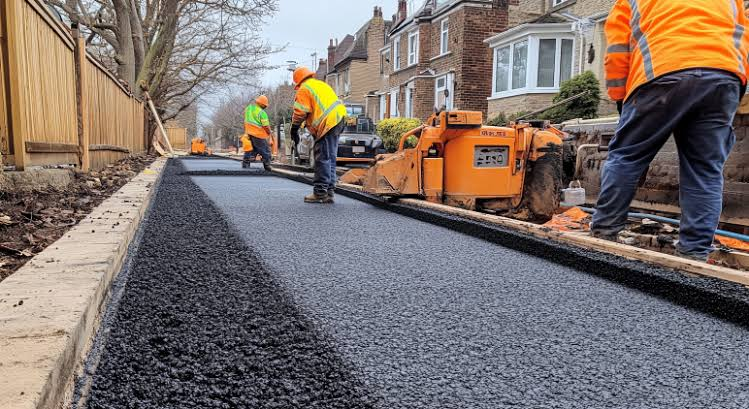
A driveway is one of the hardest-working surfaces on any property. It bears the weight of every vehicle that enters and leaves. It channels water during every rain event. It endures the UV intensity of an Australian summer and the saturating rains of winter. And it does all of this while serving as the first visual impression anyone has of your home or business.
Yet driveways are one of the most frequently underestimated construction projects in Australia. Homeowners assume a driveway is just a surface laid on top of the ground. It is not. A driveway that lasts 25 to 40 years is an engineered structure with a prepared sub-grade, a compacted sub-base, managed drainage, properly specified surface material, and construction quality that accounts for the soil conditions, the gradient, the traffic loads, and the climate of the specific site.
A driveway that skips any of these steps may look fine for the first twelve months. Then the cracks appear. The edges break down. Water pools where it should not. The surface washes out in the first heavy rain. And the owner discovers that the cost of rebuilding a failed driveway is significantly more than the cost of building it properly in the first place.
This guide covers what professional driveway construction services involve, the different surface types available, how the construction process works from site assessment through to completion, what affects the cost, how to evaluate a contractor, and the specific considerations that apply to rural, acreage, and semi-rural properties where the demands on a driveway are more intense and more variable than in the suburbs.
What Professional Driveway Construction Services Include
A complete driveway construction service covers far more than pouring a surface. It is a multi-stage process that begins with the ground beneath the surface and ends with a finished product designed to perform for decades.
Every driveway starts with the site. The contractor assesses the existing conditions including the soil type, the gradient, the drainage patterns, the access points, any existing surfaces to be removed, and the traffic the driveway will carry.
This assessment determines the construction approach. Sandy soils drain well but may lack the bearing capacity for heavy loads without additional sub-base depth. Clay soils hold moisture and expand and contract with seasonal changes, creating movement that can crack rigid surfaces. Rocky ground requires different excavation methods. Sloping sites need engineered drainage to prevent water from undermining the structure.
A contractor who skips the site assessment and provides a quote based solely on the surface area is pricing a surface, not a driveway.
Excavation and Sub-Grade Preparation
The existing ground must be excavated to a depth that accommodates both the sub-base layer and the surface material. For most driveways, this means removing 200 to 300 millimetres of material below the finished surface level.
The exposed sub-grade is then compacted using heavy machinery to create a firm, stable foundation. Compaction is one of the most critical steps in the entire process. A sub-grade that is not adequately compacted will settle unevenly over time, causing the surface above it to crack, deform, and fail.
For properties where the existing ground is soft, waterlogged, or contains organic material, additional stabilisation may be required before the sub-base can be laid. This might involve importing engineered fill, installing geotextile fabric to separate the sub-grade from the sub-base, or managing subsurface drainage to lower the water table beneath the driveway alignment.
Sub-Base Installation
The sub-base is a layer of compacted crushed rock or road base material, typically 75 to 150 millimetres thick, that sits between the sub-grade and the surface. It serves three essential functions: distributing the load from vehicles across a wider area, providing drainage beneath the surface to prevent water from accumulating under the driveway, and creating a stable, level platform on which the surface material is laid.
The sub-base material must be the correct grade for the application. Too fine and it will not drain. Too coarse and it will not compact properly. The material is laid in layers, each compacted before the next is applied, until the specified depth is achieved.
Drainage Integration
Water is the single greatest threat to a driveway’s longevity. If water cannot drain away from the surface and the sub-base, it saturates the supporting layers, weakens the sub-grade, and causes the driveway to fail from underneath.
Proper drainage includes a surface fall of at least one per cent, and ideally two per cent, to direct water off the driveway surface. Swales, table drains, or dish drains along the edges to capture and direct runoff away from the driveway. Culverts or pipe crossings under the driveway where water needs to pass from one side to the other. And subsurface drainage where the water table or site conditions require it.
On rural and acreage properties, drainage is particularly critical because the driveway may be the primary path for stormwater during rain events. A long rural driveway without adequate drainage crossings will wash out repeatedly, costing more in ongoing repairs than the drainage would have cost to install.
Surface Construction
The surface is the visible layer that vehicles drive on, pedestrians walk on, and visitors see when they approach the property. The choice of surface depends on the property type, the traffic volume, the gradient, the budget, and the desired appearance.
Surface Types and How They Compare
Each surface material has strengths and limitations. Understanding the trade-offs helps you choose the option that best matches your property and your priorities.
Surface TypeCost per m² (2026)LifespanMaintenanceBest ForCompacted gravel/crushed rock$25-$505-15 years (with regular grading)Moderate (periodic grading, topping up)Long rural driveways, farm access, budget projectsRecycled bitumen$35-$6010-20 yearsLow to moderateRural and semi-rural, longer driveways, cost-effective sealed surfaceAsphalt$50-$9015-25 yearsLow (crack sealing, occasional reseal)Suburban driveways, smooth finish, moderate trafficPlain concrete (broom finish)$65-$8525-40 yearsVery lowSuburban homes, commercial access, areas requiring minimal maintenanceExposed aggregate concrete$100-$15025-40 yearsVery lowFeature driveways, visible street-front areas, premium presentationStamped/coloured concrete$100-$20025-40 yearsLow (periodic resealing)Design-focused properties, matching architectural stylePavers (concrete or clay)$130-$28025-40+ yearsLow (weed management, occasional resetting)High-end suburban, heritage properties
No surface type is universally best. The right choice depends on the length, the gradient, the traffic, the climate, the soil, and the budget.
Gravel and Crushed Rock
Gravel is the most affordable option and the most common choice for longer rural driveways where the cost of a sealed surface would be prohibitive. It drains well, handles heavy vehicles, and can be repaired quickly by adding material and re-grading.
The trade-off is maintenance. Gravel migrates, develops potholes under heavy use, and requires periodic grading to maintain the surface profile. On steep gradients, gravel can wash downhill during heavy rain, requiring more frequent maintenance and potentially more aggressive drainage solutions.
For properties with driveways exceeding 100 metres, gravel or crushed rock is often the most practical choice for the majority of the length, with a sealed surface such as concrete or recycled bitumen for the section closest to the house where presentation matters most.
Recycled Bitumen
Recycled bitumen uses reclaimed asphalt material that is laid, compacted, and in some cases sealed to create a durable, cost-effective surface. It provides a sealed finish at a lower cost per square metre than new asphalt, making it popular for longer driveways on rural and semi-rural properties.
Recycled bitumen handles heavy vehicle traffic well and provides good dust suppression. It is a practical middle ground between the affordability of gravel and the permanence of concrete.
Asphalt
Machine-laid hot-mix asphalt provides a smooth, durable, sealed surface that handles moderate to heavy traffic. It is the standard choice for suburban driveways where a sealed finish is expected, and it works well on moderate gradients with proper drainage.
Asphalt is flexible, which means it can accommodate minor ground movement without cracking as readily as concrete. However, it softens in extreme heat and may deform under sustained heavy point loads, such as a parked caravan or trailer resting on its jockey wheel.
Concrete
Concrete provides the most durable and lowest-maintenance driveway surface available. A properly installed concrete driveway can last 25 to 40 years with minimal attention. It is available in plain broom finish, exposed aggregate, coloured, stamped, and honed finishes, each offering different aesthetics at different price points.
Concrete is rigid, which means it cracks if the sub-base settles unevenly. This is why sub-grade preparation and compaction are so critical for concrete driveways. Control joints cut into the surface at regular intervals manage shrinkage cracking by providing predetermined weak points where cracks occur in controlled lines rather than random patterns.
Pavers
Concrete or clay pavers provide a premium appearance and the advantage that individual units can be lifted and reset if settlement occurs or underground services need to be accessed. They are the most expensive driveway option per square metre but offer exceptional longevity and design flexibility.
Pavers require a well-prepared sub-base, bedding sand, edge restraints, and jointing sand that must be maintained to prevent weed growth and ant activity.
The Construction Process Step by Step
Understanding the sequence helps you evaluate a contractor’s approach and recognise when corners are being cut.
- Site assessment. The contractor inspects the site, assesses the conditions, discusses the scope with you, and prepares a proposal.
- Approvals. If the driveway crosses the council-owned verge to connect to the street, a vehicle crossing approval is required from the local council.
- Existing surface removal. Any existing driveway, vegetation, or debris is removed and disposed of.
- Excavation. The ground is excavated to the required depth to accommodate the sub-base and surface.
- Sub-grade compaction. The exposed sub-grade is compacted to create a stable foundation.
- Drainage installation. Culverts, pipes, swales, and any subsurface drainage are installed before the sub-base covers them.
- Sub-base installation. Crushed rock or road base is laid in layers, each compacted to specification.
- Formwork (concrete driveways). For concrete surfaces, formwork is set to define the edges and establish the finished level and fall.
- Surface construction. The chosen surface material is laid, compacted, finished, and, where applicable, cured.
- Cleanup and handover. The site is cleaned, excess material removed, and the completed driveway handed over.
The entire process for a standard suburban driveway typically takes three to seven days. Longer rural driveways, complex sites, and concrete surfaces that require a curing period may take longer.
Driveway Construction for Rural and Acreage Properties
Rural and acreage driveways operate under different conditions and carry different demands than suburban installations. They are longer, often crossing varied terrain. They carry heavier vehicles, from farm trucks and horse floats to delivery vehicles and fire trucks. They traverse gradients that suburban driveways rarely encounter. And they are exposed to weather, dust, and erosion in ways that suburban properties, with their sealed roads and managed stormwater, are protected from.
Length and Scale
A rural driveway may run from 50 metres to 500 metres or more. At those distances, the cost per metre matters significantly. Gravel or recycled bitumen is typically the most practical choice for the full length, with a sealed section at the house for presentation and all-weather access.
Gradient and Terrain
Sloping driveways require careful gradient management to ensure vehicles can ascend and descend safely in all conditions. Maximum comfortable grades are around 20 per cent for short sections, with 10 to 15 per cent preferred for sustained slopes. Steeper sections may require textured surfaces for grip and more intensive drainage to prevent erosion.
Cut-and-fill earthworks may be needed on sloping terrain to create a driveway alignment that maintains manageable grades while minimising the volume of material that needs to be moved.
Fire Access
In bushfire-prone areas, driveways must provide access for firefighting vehicles. This typically means a minimum width of 4 metres, a minimum height clearance of 4 metres, a maximum gradient of approximately 1 in 5, and passing bays on driveways longer than 200 metres where the width does not allow two vehicles to pass.
Local government and bushfire regulations specify the requirements for your area. Non-compliance with fire access requirements can result in infringement notices and, in the event of a fire, potential liability.
Heavy Vehicle Loading
Rural driveways must handle vehicles that suburban driveways never see. Feed delivery trucks, livestock transport, grain trucks, fire tankers, and building materials delivery vehicles all impose loads that require a sub-base designed for heavy traffic rather than passenger cars.
If you are in the Perth area and looking for professional Driveway Construction services that cover everything from site preparation and earthworks through to the finished surface for homes, rural properties, and acreage, connecting with a local provider who understands Perth’s soil conditions and property types is the most practical first step.
How to Choose the Right Contractor
The contractor you choose determines whether your driveway lasts five years or thirty. Here is what to evaluate.
Experience With Your Property Type
A contractor who builds suburban concrete driveways may not have the equipment or expertise for a 300-metre rural driveway with drainage crossings and gradient changes. Ask about their experience with properties similar to yours. Request examples of completed work, ideally properties you can drive past and inspect.
Equipment and Capability
Driveway construction requires earthmoving equipment matched to the scale of the project. A small bobcat may suit a suburban driveway but is inadequate for a large rural installation. A contractor with appropriate excavators, rollers, and grading equipment completes the work faster, to a higher standard, and often at a lower total cost.
Licensing and Insurance
Depending on your state and the value of the work, the contractor may require a builders’ licence or registration. In Western Australia, building work above $20,000 requires a registered builder. Public liability insurance is essential for any contractor working on your property.
Quoting and Communication
A quality contractor inspects the site before quoting. They provide a written quote that specifies the scope of work, the materials, the drainage provisions, the total cost, and the estimated timeline. Be cautious of quotes provided without a site visit, as they cannot account for the specific conditions of your property.
What to Watch Out For
- Quotes that do not mention sub-base preparation or drainage
- No reference to compaction of the sub-grade or sub-base layers
- A price significantly lower than other quotes for the same scope
- No specification of the surface material grade, depth, or type
- No mention of vehicle crossing approval if the driveway connects to a public road
Understanding the Costs
Driveway construction costs depend on the length, the width, the surface type, the site conditions, the gradient, the drainage requirements, and whether an existing surface needs to be removed.
Project TypeTypical Cost RangeKey VariablesSuburban concrete (50m²)$5,000-$12,000Finish type, sub-base condition, drainageSuburban asphalt (50m²)$3,500-$6,000Sub-base condition, thicknessRural gravel (100m)$3,000-$8,000Width, sub-base depth, drainage crossingsRural recycled bitumen (100m)$5,000-$12,000Width, existing surface condition, sealingLong rural driveway (300m+)$10,000-$40,000+Length, terrain, surface type, drainage complexityVehicle crossing (council verge)$1,800-$5,500Council requirements, width, surface type
These are indicative ranges. The actual cost depends on the specific conditions of your site. Always obtain two to three written quotes from contractors who have inspected the property in person.
Maintaining Your Driveway After Construction
Even the best-constructed driveway benefits from basic ongoing maintenance.
Gravel driveways need periodic grading to restore the surface profile and fill potholes. Additional material may need to be added every few years as the surface compacts and migrates. Drainage structures should be cleared before winter.
Asphalt driveways benefit from crack sealing to prevent water penetration and periodic resealing every five to ten years to restore the surface and extend its life.
Concrete driveways require minimal maintenance. Reapply sealer every two to five years for decorative finishes. Fill any cracks promptly to prevent water penetration. Avoid de-icing salts and harsh chemicals.
All driveway types benefit from keeping vegetation clear of the edges, ensuring drainage structures remain unblocked, and addressing any damage or settlement promptly before it worsens.
Frequently Asked Questions
What is included in driveway construction services?
Professional driveway construction services include site assessment and planning, excavation and removal of existing surfaces, sub-grade compaction, sub-base installation and compaction, drainage integration, surface construction (gravel, asphalt, concrete, or pavers), and site cleanup. The scope varies by project, but a complete service addresses every layer of the driveway structure, not just the visible surface. Contractors who only quote for the surface without addressing the sub-base and drainage are quoting for a surface that will not last.
How much does a new driveway cost in Australia in 2026?
Costs vary widely by surface type, size, and site conditions. A standard 50 square metre suburban concrete driveway costs $5,000 to $12,000 depending on the finish. A 100-metre rural gravel driveway costs $3,000 to $8,000. Longer rural driveways of 300 metres or more can range from $10,000 to $40,000 or more depending on the surface type, terrain, and drainage requirements. Vehicle crossing construction adds $1,800 to $5,500 if council verge work is needed. Always obtain written quotes from contractors who have visited the site.
What is the best driveway surface for a rural property?
It depends on the length, gradient, traffic, and budget. Compacted gravel or crushed rock is the most affordable option for long driveways and works well for most rural applications. Recycled bitumen provides a sealed surface at a lower cost than new asphalt and is popular on semi-rural properties. Concrete provides maximum durability but is cost-prohibitive for very long driveways. Many rural property owners use gravel for the majority of the length and a sealed surface for the section closest to the house.
How long does driveway construction take?
A standard suburban driveway typically takes three to seven days from excavation to completion, depending on the surface type. Concrete driveways require an additional curing period of seven to 28 days before vehicle traffic. Longer rural driveways may take one to three weeks depending on the length, terrain, and complexity. Weather can affect timing, particularly for concrete and asphalt surfaces that require specific temperature and moisture conditions during placement.
Do I need council approval for a new driveway?
If the driveway crosses the council-owned road verge to connect your property to the street, you will need council approval for a vehicle crossing. The crossing must be built to council specifications regarding width, thickness, surface material, and drainage. Application fees range from $250 to $850, and construction adds $1,800 to $5,500 to the project cost. Driveways entirely within your property boundary may not require council approval, though this varies by local government area. Always check with your local council before commencing work.
