
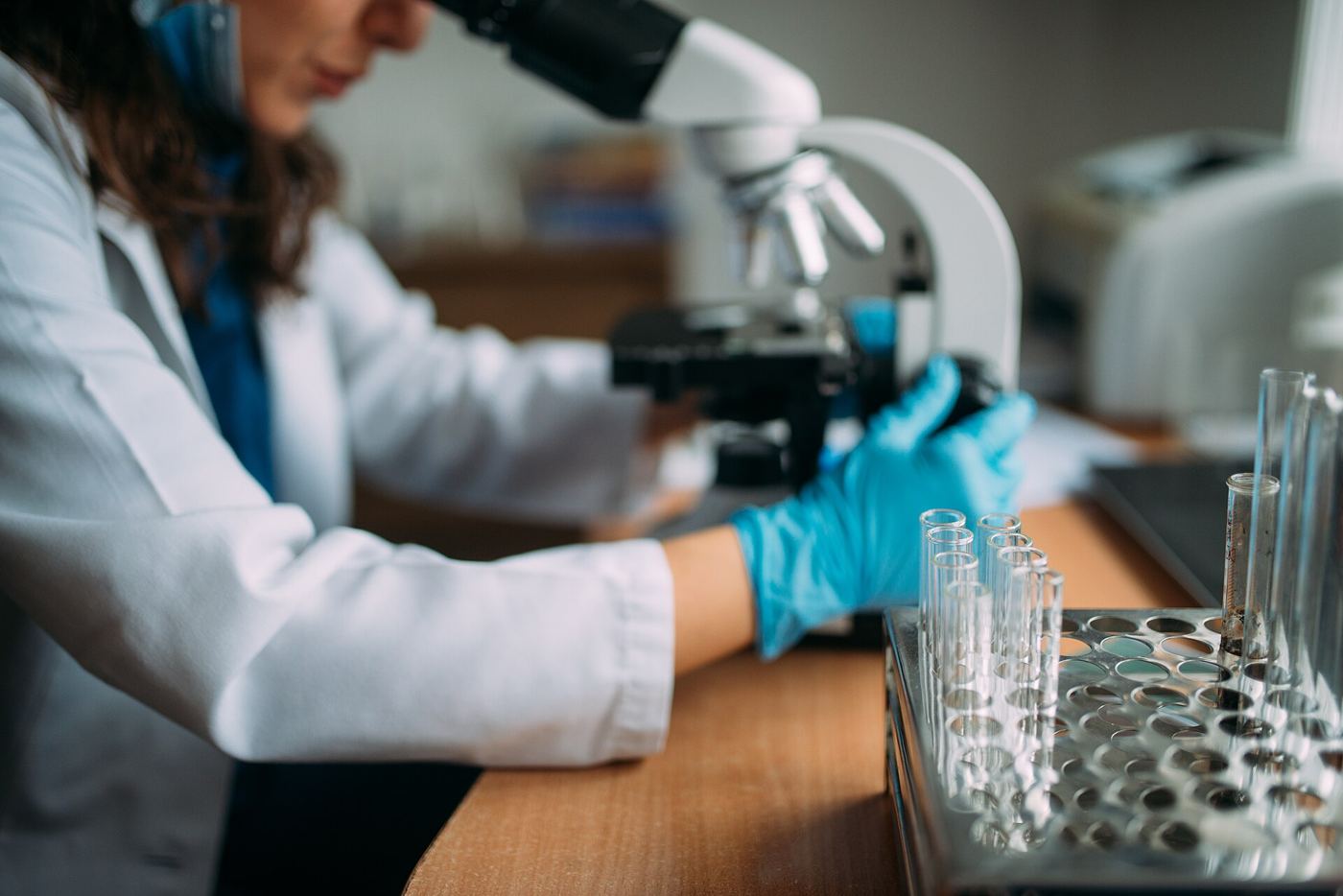
Tiny plastic fragments are everywhere researchers look: in bottled and tap water, seafood, salt, indoor dust and, increasingly, in samples of human tissue. The finding generates alarming headlines, but scientists who study the problem are careful about what has actually been demonstrated. Presence is proven. Harm, at the levels most people encounter, is still being worked out, and honest researchers say so plainly. Public interest in the topic is high, which scientists say brings both attention and distortion. The study appears in a peer-reviewed journal and its data has been made available to other teams.
How exposure happens
Particles shed from tyres, synthetic clothing, packaging and degraded litter enter water and air. People swallow and breathe them daily, though estimates of how much vary by orders of magnitude between studies, and the famous claim that we eat a credit card of plastic each week is not supported by careful reviews. The smallest particles, nanoplastics, are the hardest to measure and the ones most likely to cross biological barriers. For now, the honest summary is that the evidence has moved, but the debate has not ended. Reporting and analysis from sources such as World Health Organization track the same trend. Replication is now the priority, with several groups planning to test the same question differently.
What the studies show
In laboratory animals and cell cultures, high doses of plastic particles can trigger inflammation and oxidative stress. Human evidence is thinner: particles have been found in blood, placenta and arterial plaque, and one large study linked their presence in plaque to higher rates of heart attack and stroke, though it cannot prove the plastic caused the harm. Chemical additives that leach from plastics are a separate, better-documented concern. Replication is now the priority, with several groups planning to test the same question differently. Larger samples will be needed before guidelines or policy can reasonably change. You can follow related developments in our science coverage.
Sensible steps, honest limits
Researchers suggest low-regret habits: ventilate and vacuum indoor dust, wash synthetic clothes less often and in fuller loads, avoid heating food in plastic, and choose tap water where it is safe. They are equally clear that individual action cannot substitute for better waste systems and product design. The field’s priority now is standardised measurement, so that future headlines rest on numbers that can actually be compared. Larger samples will be needed before guidelines or policy can reasonably change. As the evidence develops, expect guidance and policy to be revised in public, which is not a failure of the process but the process working exactly as it should.
There is a practical lesson in all of this for readers deciding what to do today. Start with the verified facts, be wary of anyone promising certainty, and prefer reversible steps while the evidence is still developing. Circumstances differ by country, income and personal situation, so general guidance should always be weighed against your own context before you act on it in any significant or lasting way.
