
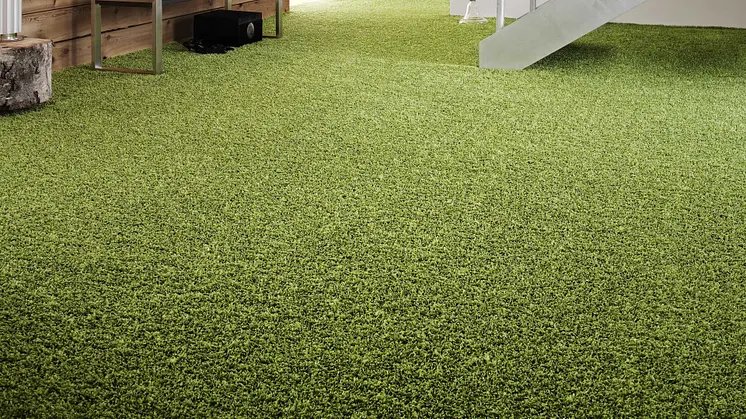
Balconies and patios are the most popular places to lay artificial grass, and also the places where the most avoidable mistakes happen. A small outdoor space seems like a simple weekend project, yet poor preparation, the wrong product, or a careless finish can leave you with wrinkles, puddles, lifted edges, and a surface that looks tired within a year. The good news is that every common failure follows a pattern, and each one is easy to dodge once you know it. Whether you are fitting an Artificial grass carpet yourself or hiring an installer, this checklist of mistakes, and what to do instead, will help your small green space look sharp and stay that way.
Mistake One: Skipping Surface Preparation
Artificial grass shows every flaw beneath it. Lay it over cracked concrete, uneven tiles, or a patio with a hidden dip, and the finished surface will telegraph each bump and hollow, as well as collect water in the low spots. Preparation is unglamorous but decisive: sweep and wash the base, fill cracks and level dips with a suitable compound, and check the fall of the surface so water runs towards a drain rather than sitting under the turf. On a balcony, confirm where the drainage outlet is and make sure your layout never covers it. An hour spent on the base saves years of annoyance, because once the grass is fixed down, fixing the floor underneath means starting again.
Mistake Two: Choosing the Wrong Pile for the Space
A very long, lush pile looks wonderful in a showroom photograph, but on a small balcony with chairs, a table, and daily foot traffic it flattens quickly and can feel spongy under furniture. Shorter, denser turf, around twenty five to thirty millimetres, handles furniture legs, door swings, and busy use far better and keeps its neat look with a quick brush. The opposite mistake is buying the cheapest, thinnest product to save money on a space you see every day; sparse turf shows its backing in sunlight and wears out fast. Match the product to the use: dense and resilient for working spaces, softer and longer only where it is mostly for sitting and looks.
Colour matters on small spaces too. A single flat green can look artificial at close range, which is exactly the range a balcony is viewed from. Products that blend several greens with a natural thatch tone read as real grass even from a step away, and they hide dust and small debris between cleans far better than a uniform shade.
Mistake Three: Bad Edges, Wrinkles, and Covered Drains
Most failed installations fail at the edges. Turf that is trimmed too short pulls back as it settles, leaving gaps at the walls, while turf cut too long curls up and refuses to sit flat. The fix is patience: let the roll rest in place for a few hours so it relaxes, trim in small stages rather than one brave cut, and fix the perimeter securely with the adhesive or tape recommended for your surface. Wrinkles usually come from rushing this settling stage or from dragging the roll instead of lifting it into position. Never cover a drainage outlet with an Artificial grass carpet layer, and keep hot items such as portable barbecues and heaters off the surface, since concentrated heat can melt synthetic blades. If you use the balcony for a shisha or a fire bowl, place it on a stone or metal tray, not directly on the grass.
Mistake Four: Forgetting It Still Needs Light Care
Artificial grass is low maintenance, not no maintenance, and patios prove it. Dust settles, leaves collect in corners, and the pile in the doorway flattens under daily use. A two minute routine keeps everything fresh: shake out or brush the surface weekly, rinse with a hose or a bucket of water during dusty spells, and brush the pile back up in traffic lanes with a stiff broom. Spills from drinks or food should be rinsed the same day so sugars do not turn sticky in the heat. Avoid harsh chemicals and pressure washers held close to the surface, both of which can damage the fibres or the backing. Treat the space gently and a well chosen, well fitted surface will reward you with a green, usable balcony or patio in every season, with none of the watering, mowing, or mud that real grass demands.
Mistake Five: Measuring Once and Ordering Too Little
Balconies look rectangular and rarely are. Walls bow, corners drift out of square, and a space that measures two metres at one end can be several centimetres wider at the other. Order for the largest measurement, not the average, and add a small trimming allowance on every side; turf can always be cut down, but it cannot be stretched to fill a gap. If the area is wider than a single roll, plan the join before you order and make sure both pieces will run with the pile facing the same direction, ideally leaning slightly towards the main viewpoint, which is usually the door you step out of. Two pieces laid in opposite directions catch the light differently and show a visible stripe down the middle, a mistake that no amount of brushing will hide.
