
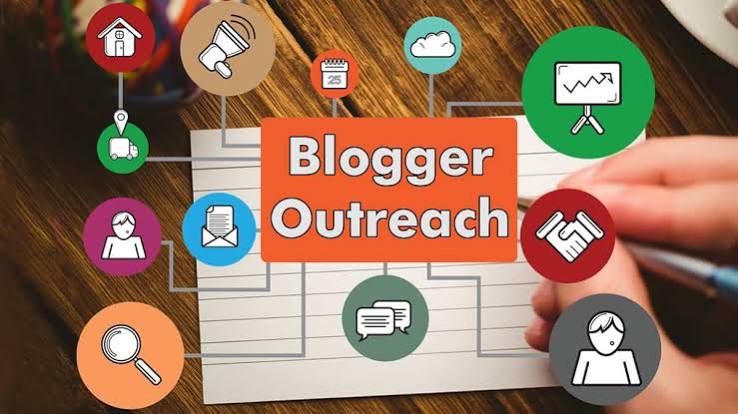
A strong website can still struggle to get noticed. For small businesses, publishers and growing online brands, earning links from relevant sites is one way to build visibility and credibility over time. Blogger outreach for link building is the work of finding suitable writers or site owners, building a genuine relationship and proposing something useful enough to merit a mention. It is not a shortcut to rankings; it is a form of business communication that rewards preparation and patience.
The basic idea is simple, but execution matters. A generic email sent to hundreds of unrelated websites is easy to ignore and can damage a brand’s reputation. A thoughtful approach begins with understanding who you want to reach, what their readers need and whether your contribution genuinely fits their publication.
What outreach can—and cannot—do
A link from a respected, relevant website can help readers discover your work and give search engines additional context about your site. Outreach can also lead to useful partnerships, referral traffic and conversations with people in your industry. Those broader outcomes are often more valuable than a link considered in isolation.
There are no guaranteed rankings or instant results. Search engines evaluate many signals, and a link’s value depends on factors such as relevance, editorial context and the quality of the pages involved. For a fuller explanation of the principles and changing practices, see this guide to link building in 2026.
Outreach should not mean paying for undisclosed endorsements, exchanging links at scale or asking publishers to publish material that serves no reader. Those tactics can undermine trust. The more durable aim is to earn a citation because the underlying resource, expertise or story improves an article.
Start with a reason to be cited
Before building a prospect list, decide what you can offer. A useful resource might be original research, a clear how-to guide, a data set, a specialist’s informed perspective or a practical tool. “We have a website” is not a compelling reason for an editor to link to it. Ask what a reader would learn or be able to do after following your proposed link.
Look at your existing material with an outside reader’s eye. Is it accurate, current and easy to navigate? Does it answer a question in enough depth to be useful? If not, improve the destination before contacting anyone. A polished pitch cannot compensate for a thin or confusing page.
Find publishers that fit
Relevance is more important than a large spreadsheet. Search for websites that cover the subject your resource addresses, then read several recent articles. Notice the publication’s audience, tone and preferred formats. A small specialist blog with an engaged readership may be a better match than a much larger site whose coverage is only loosely connected.
Keep a simple record of the publication, the relevant article or topic, the editor or author’s name, and why your contribution fits. This makes it easier to personalise each message and avoid contacting the same person repeatedly. It also provides a useful way to track replies and follow-ups without turning outreach into a volume contest.
Write a pitch an editor can assess quickly
A good first message is concise and specific. Introduce yourself, identify the article or topic you are responding to, and explain the useful addition you are proposing. Include one relevant link to your resource, but do not bury the editor in a portfolio, attachments and several unrelated requests.
For example, if a publisher has written about budgeting for new businesses, a concise pitch might point out a recent change to a cost estimate in their article and offer a well-sourced resource with updated figures. The editor can judge the fit immediately. Avoid pretending to have read an article you have not read, flattering the recipient with interchangeable praise, or asking for a link before explaining its value.
Follow up once after a reasonable interval if there is no response. Keep the note courteous and brief. No reply is not an invitation to keep sending messages; editors have deadlines, limited capacity and the right to decline.
Use freelance help with clear boundaries
Some teams have the time and expertise to manage research and outreach in-house. Others bring in freelance writers, researchers or outreach specialists for defined tasks. If you take that route, set expectations carefully: provide the audience and quality standards, explain which claims must be checked, and require approval before messages are sent in your company’s name.
When comparing services, how to find the right freelance platform depends on the work you need, the budget and the safeguards around payment. Platforms differ in fees, selection and how orders are handled, so compare the terms rather than choosing on name recognition alone. Osdire, for example, offers services across categories including writing, marketing and design, with flat pricing and payment held until delivered work is approved. Its overview of the best freelance websites in 2026 provides a comparison point for businesses weighing their options.
Delegation does not remove your responsibility for the result. Review prospect lists for relevance, inspect drafts for accuracy and make sure no contractor is promising guaranteed links or using tactics you would not be comfortable explaining publicly. A freelancer can help with execution; your business still owns its standards and reputation.
Measure the work beyond a link count
Track the number of relevant pitches sent, meaningful replies, conversations started and placements earned. Where possible, also look at referral visits and whether the resulting relationships lead to further collaboration. These measures show where the process is working without treating every link as equally valuable.
Blogger outreach is most effective when it resembles good editorial practice: know the audience, bring something worthwhile and respect the publisher’s judgment. The work may be slower than a mass email campaign, but it is more likely to produce links and relationships that remain useful after the initial pitch has disappeared from an inbox.
