
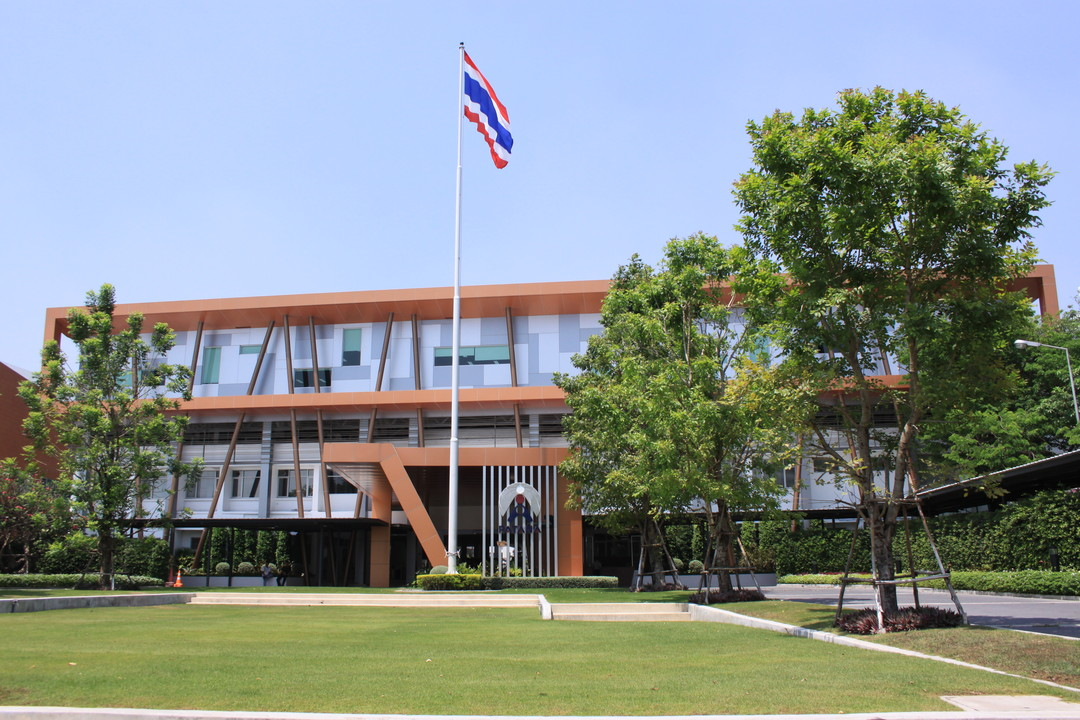
Bangkok has become one of Asia’s most active markets for internationally-accredited schooling. A convergence of factors — rising affluence among Thai families, a growing expatriate population, and increased awareness of global university pathways — has driven steady expansion in the number and variety of international institutions across the city. For families considering enrollment, the landscape offers genuine options across curriculum types, price points, and locations.
What distinguishes Bangkok’s international education sector from those of Singapore or Hong Kong is its relative accessibility: families at multiple income levels can access a โรงเรียนนานาชาติ กรุงเทพ without the extreme cost barriers found in some neighboring markets. That said, the range of quality and institutional maturity varies considerably — making research and due diligence essential before committing to any school.
Curriculum Choices and What They Signal
The curriculum framework a school adopts tells families a great deal about its academic philosophy and intended outcomes. In Bangkok, the most commonly offered programs include:
- International Baccalaureate (IB): Recognized globally by universities across North America, Europe, and Asia-Pacific. The Primary Years Programme (PYP), Middle Years Programme (MYP), and Diploma Programme (DP) together form a comprehensive K–12 pathway with an inquiry-based approach.
- Cambridge International (IGCSE / A-Level): A British-rooted curriculum widely respected for its structured academic rigor and broad recognition by UK and Commonwealth universities.
- American Curriculum: Common Core-aligned and oriented toward US college-preparatory standards, preferred by families with long-term ties to North America.
- Bilingual and Hybrid Programs: These combine Thai Ministry of Education requirements with an internationally structured overlay — typically offering English-medium instruction in core subjects while maintaining Thai language and social studies components.
Each framework carries different university recognition profiles, and families are encouraged to map their long-term residency and higher education goals against these differences before making a selection.
What Families Need to Know About Fees
Cost is consistently cited as the primary barrier for families considering international enrollment. Tuition structures in Bangkok vary widely: entry-level bilingual programs may start around THB 80,000–150,000 per year, while full IB or Cambridge programs at established institutions can range from THB 350,000 to over THB 900,000 annually, depending on grade level and campus.
Families researching international school bangkok ค่าเทอม should request itemized fee schedules rather than relying on headline figures alone. Registration fees, technology levies, uniform costs, transportation, and extracurricular activity charges can add meaningfully to the base tuition. Some schools also charge annual re-enrollment or building fund contributions that are not always prominently advertised.
Scholarship programs and sibling discounts exist at a number of institutions and are worth inquiring about directly with admissions offices. Fee transparency has improved across the sector in recent years, but comparison shopping still requires direct outreach.
Location, Commute, and Campus Accessibility
Bangkok’s traffic patterns make school location a practical, not just a lifestyle, consideration. Families living in western or central Bangkok face different commute realities than those based in the eastern suburbs or along the Ramkhamhaeng corridor. Many international schools have historically clustered in Sukhumvit and Bangna — areas with dense expatriate residential communities — but newer campuses have expanded the geographic spread.
For families based in the Wangthonglang and eastern Bangkok areas, access to established รร นานาชาติ options has improved considerably over the past decade, reducing the need for long cross-city commutes. Proximity to BTS or MRT lines is also a meaningful consideration for older students using independent transit.
Accreditation: The Non-Negotiable Standard
International families — particularly those with children likely to transfer between countries — place heavy emphasis on school accreditation. Key accrediting bodies operating in Thailand include:
- CIS (Council of International Schools) — globally recognized, rigorous institutional review process
- WASC (Western Association of Schools and Colleges) — widely respected by US universities
- IBO (International Baccalaureate Organization) — required for schools offering official IB programs
- Cambridge Assessment International Education — required for authorized IGCSE and A-Level centers
Schools holding multiple accreditations typically demonstrate stronger institutional systems and are better positioned for ongoing quality reviews. SISB School, for instance, operates across multiple Bangkok campuses and has positioned its offering around internationally recognized program frameworks — a common approach among the city’s mid-to-upper-tier schools.
Evaluating School Culture and Community Fit
Metrics and accreditations tell part of the story, but school culture — the quality of pastoral care, the diversity of student community, the engagement of parent networks — shapes the daily experience more than any benchmark. Education analysts consistently find that student satisfaction and long-term retention correlate strongly with community fit, especially for children who have relocated internationally and may be navigating cultural transition.
Prospective families are advised to:
- Attend open days and campus tours before submitting applications
- Request to speak with current parent community representatives
- Ask specifically about transition support programs for new students
- Inquire about the school’s approach to student wellbeing and counseling resources
- Review extracurricular offerings to assess alignment with the child’s interests
Conclusion
Bangkok’s international school sector has matured into one of the most diverse in Southeast Asia, offering families a genuine spectrum of options across curriculum, cost, and culture. The decision-making process benefits from a structured approach: identify long-term academic and geographic goals first, then filter schools by curriculum alignment, fee range, location, and accreditation. Campus visits and conversations with current families provide the final layer of due diligence that no amount of online research can fully replace.
For families specifically researching IB-aligned international education options in Bangkok, further program and fee information is available at https://sisb.ac.th/
Contact US
Address: 498/12 Soi Ramkhamhaeng 39 (Tepleela 1), Wangthonglang, Wangthonglang, Bangkok 10310 Thailand
Phone: +660 2158 9090
Email: info@sisb.ac.th
Website: https://sisb.ac.th/
