
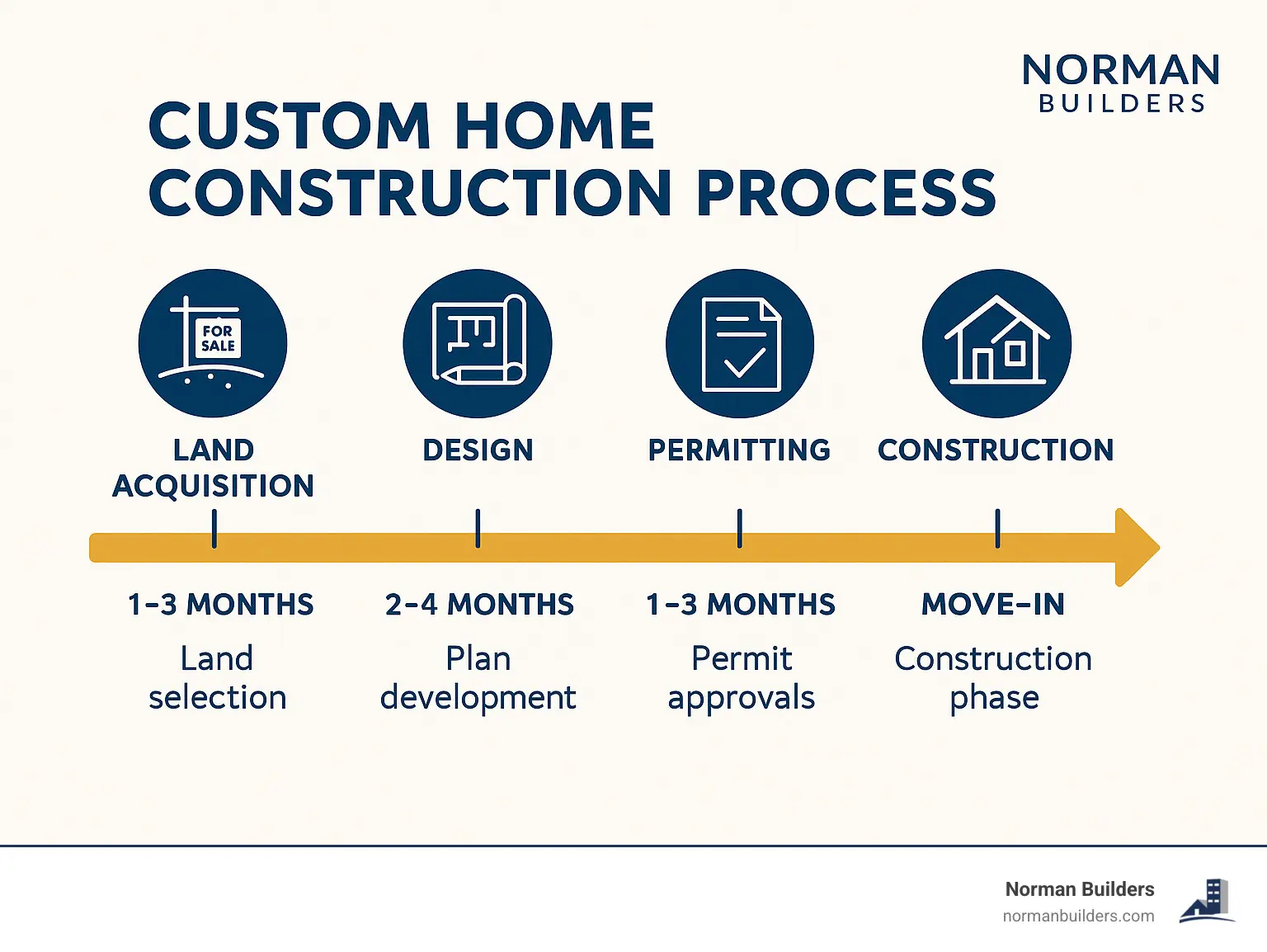
Building a custom home is likely one of the most significant investments you will ever make. It is an opportunity to translate your lifestyle, aesthetic preferences, and functional needs into a physical structure. However, the path from an empty lot to a finished masterpiece involves a complex web of decisions, timelines, and collaborations. Understanding the phases of high-end residential construction can transform what often feels like an overwhelming ordeal into an organized, rewarding journey.
When you partner with a dedicated team, the process becomes less about managing chaos and more about watching a vision come to life. Success in custom home building relies on clear communication, meticulous planning, and an unwavering commitment to quality craftsmanship.
The Pre-Construction Phase: Laying the Foundation for Success
Long before heavy machinery arrives on-site, the most critical work takes place on paper and in meeting rooms. The pre-construction phase sets the trajectory for the entire project. Skipping or rushing through these steps is where many residential projects encounter budget overruns and scheduling delays.
Site Selection and Evaluation
The piece of land you choose dictates what can be built. A thorough site evaluation looks beyond the view. Factors such as soil quality, topography, zoning restrictions, and access to utilities play a massive role in overall costs. For instance, a sloped lot might offer stunning views, but it also requires extensive engineering, retaining walls, and specialized foundation work. Evaluating these elements early ensures that your budget accounts for site preparation before architectural design begins.
Architectural Collaboration and Spatial Planning
Design is a balancing act between form and function. During this stage, you work closely with professionals to map out how you will use each space.
- How does traffic flow from the garage to the kitchen?
- Where does natural light fall during peak hours of the day?
- Are there spaces that need to adapt as your family grows or ages?
A successful design doesn’t just look beautiful in 3D renderings; it anticipates your daily routines and enhances them. For More Information Click Here to see how experienced professionals approach personalized space planning.
Architectural Integrity and Material Selection
Once the floor plans are finalized, the focus shifts to the tactile details that define the character of your home. Material selection is where your personal style meets structural longevity.
Prioritizing Durability and Performance
It is easy to get caught up in the cosmetic appeal of finishes, but the structural core and building envelope are what protect your investment. High-performance insulation, advanced framing techniques, and weather-resistant barriers ensure that your home remains energy-efficient and structurally sound for decades. Investing in premium materials for the exterior envelope reduces long-term maintenance costs and keeps utility bills manageable.
Interior Curation
Inside the home, every surface tells a story. From custom cabinetry and engineered hardwood to natural stone countertops and smart home integration, these details require early selection. Ordering specialized materials well in advance prevents supply chain bottlenecks from stalling construction later on.
The Construction Phase: Turning Concepts into Reality
With permits secured and materials ordered, ground is broken. The construction phase is a sequence of highly coordinated events, each building upon the accuracy of the last.
Site Prep, Excavation, and Foundation
The first physical step involves clearing the land and excavating for the foundation. Whether your design calls for a slab, crawlspace, or full basement, pouring the foundation is a high-precision task. It serves as the literal bedrock of the entire structure.
Framing the Skeleton
Framing is the stage where your home suddenly takes on its physical shape. As walls go up and roof trusses are set, you can finally walk through the rooms and get a true sense of scale and proportion. This is often the most exciting milestone for homeowners, as the abstract lines on a blueprint materialize into tangible dimensions.
Mechanical, Electrical, and Plumbing (MEP) Rough-ins
Once the shell is enclosed, the interior walls become a bustling highway of infrastructure. Plumbers, electricians, and HVAC technicians install the hidden systems that power your daily life. This includes running pipes, routing electrical wiring, installing ductwork, and prepping for smart home technology or home automation systems. These systems are inspected thoroughly before the walls are closed up with drywall.
Interior and Exterior Finishes: The Art of Craftsmanship
With the structural and mechanical elements approved, the home enters the refinement stage. This is where the distinct artistry of the builders comes to the forefront.
Drywall and Millwork
Drywall installation transforms the open framing into distinct rooms. Once the walls are taped, mudded, and sanded smooth, the trim carpenters take over. Custom millwork—including baseboards, crown molding, built-in shelving, and interior doors—adds architectural depth and elegance to the interior spaces.
Paint, Flooring, and Fixtures
Next comes the application of color and texture. Hardwood, tile, or stone flooring is laid down, followed by interior painting. Finally, the decorative and functional fixtures are installed:
- Light fixtures and plumbing trim
- Cabinet hardware and custom mirrors
- Kitchen appliances and smart home control panels
Simultaneously, exterior finishes like siding, stucco, stone veneer, and landscaping are completed to establish the home’s curb appeal and outdoor living functionality.
The Final Countdown: Inspections and Handover
The final stretch of building a custom home requires a sharp eye for detail. Before you receive the keys, the builder conducts rigorous quality control checks.
The Punch List and Final Walkthrough
A punch list is a detailed compilation of minor items that need fixing, touching up, or adjusting before final occupancy. This could include a paint touch-up in a closet, adjusting a cabinet hinge, or ensuring a specific smart switch is programmed correctly. The final walkthrough with your builder is your opportunity to review the craftsmanship together and ensure every detail meets the agreed-upon standards.
Securing the Certificate of Occupancy
Before you can legally move in, local building authorities must conduct a final inspection to ensure the home complies with all regional building codes and safety regulations. Once passed, a Certificate of Occupancy is issued, marking the official completion of construction.
Choosing the Right Partner for Your Build
The success of your custom home project hinges entirely on the expertise, transparency, and communication of your builder. Superior Home Builders specializes in turning complex architectural designs into flawless, liveable realities. Managing budgets, timelines, and structural integrity requires an experienced hand and an established network of trusted subcontractors.
If you are ready to transition from dreaming about a custom home to planning its construction, reaching out to professionals who understand the nuances of luxury residential building is your logical next step. For More Information Click Here to discuss your vision, evaluate your lot options, or review initial design concepts with an expert team.
Every great home begins with a conversation. Clear expectations, a defined budget, and a shared vision are the tools that build a structure capable of lasting generations. For More Information Click Here to connect with a team dedicated to exceptional quality and seamless project management, and take the first step toward building your future.
