
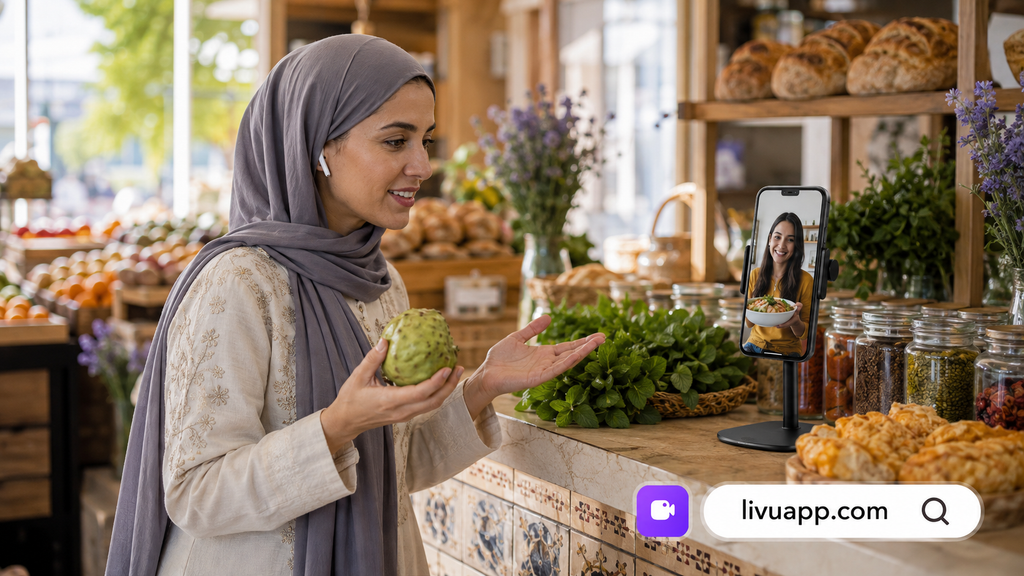
Food is one of the easiest subjects to introduce when meeting someone from another country. Everyone has everyday meals, favorite flavors, family habits, and foods connected to particular memories. During a chat 1v1 gratis conversation, a simple question about breakfast can develop into a relaxed discussion about culture, travel, family, and daily life.
The key is to approach the subject with curiosity rather than assumptions. You do not need expert knowledge about another cuisine. You only need questions that allow the other person to describe their own experience.
Begin with Everyday Food
Asking about a famous national dish may seem like the obvious opening, but everyday meals often produce more personal answers.
Try questions such as:
- “What do you usually eat on a busy day?”
- “Do you normally cook or buy food?”
- “What is a common breakfast for you?”
- “Which meal of the day do you enjoy most?”
- “Is there a snack you always keep nearby?”
These questions focus on the individual rather than asking one person to represent an entire country.
An ordinary answer can also reveal interesting differences. One person’s quick breakfast may be another person’s weekend meal.
Ask About the Story Behind a Dish
A food becomes more interesting when you learn why it matters.
Someone may enjoy a dish because a relative prepared it, because it appears during a celebration, or because it reminds them of a particular place. Ask:
“Is there a memory connected to that food?”
The answer can move naturally from ingredients to family traditions, childhood experiences, holidays, or travel.
Do not assume that every traditional dish has deep emotional meaning. Let the person decide whether the connection is practical, cultural, or personal.
Avoid Treating One Person as a Cultural Guidebook
People from the same country can have completely different eating habits. Regional traditions, religion, family preferences, health needs, and personal taste all influence food choices.
Avoid saying:
“Everyone in your country eats that, right?”
A better question is:
“Is that common where you live, or is it more of a family tradition?”
This wording leaves space for variation. It also gives the person an opportunity to explain what is typical without being treated as an official representative of their culture.
Compare Routines Rather Than Ranking Cuisines
Food conversations sometimes become competitions about which country has the best dishes. Friendly enthusiasm is fine, but constant ranking can make the discussion defensive.
Instead, compare experiences:
- When people usually eat dinner
- Whether meals are shared or individual
- How spicy food is prepared
- Which ingredients are seasonal
- What people serve to guests
- How weekend meals differ from weekday meals
The purpose is discovery, not choosing a winner.
Describe Flavors Clearly
If the other person has never tried a dish, its name alone may not communicate much. Describe its flavor, texture, temperature, and preparation.
For example:
“It is a warm rice dish with a slightly smoky flavor. The vegetables remain crisp, and the sauce is mildly spicy.”
This description gives the listener an image without requiring them to recognize unfamiliar ingredients.
During دردشة فيديو 1v1 مع بنات, clear descriptions can be especially helpful when people come from different language backgrounds. Familiar sensory words are often easier to understand than complex recipe terminology.
Ask About Personal Preferences
A cultural question becomes more conversational when it includes personal choice.
You might ask:
- “Do you actually enjoy that dish?”
- “Would you choose it at a restaurant?”
- “Do you prefer the traditional version or a modern variation?”
- “Is there an ingredient you always add?”
- “What food from your country do you think deserves more attention?”
These questions often produce more surprising answers than asking only about famous foods.
Share One Relevant Detail About Yourself
After asking a question, contribute a related detail. This keeps the interaction from becoming an interview.
For example:
“I usually prefer savory breakfasts, but where I live, many people choose something sweet. What is more common for you?”
The other person can respond to your preference, the local habit, or the question. One sentence creates several possible paths.
Use Visible Food as a Conversation Starter
If either participant is eating, cooking, or visiting a market, the surroundings may provide an immediate topic.
Ask permission before focusing on it:
“That looks interesting—would you mind telling me what it is?”
Avoid criticizing appearance or making negative faces before learning what the food contains. Something unfamiliar to you may be an ordinary and valued part of someone else’s daily life.
Be Respectful About Dietary Choices
People may avoid certain foods for religious, ethical, medical, cultural, or personal reasons. Do not pressure them to justify the choice.
If someone says they do not eat an ingredient, a simple response is enough:
“Thanks for explaining. What do you usually use instead?”
Avoid turning the conversation into a debate unless both people clearly want that discussion.
Exchange One Simple Recommendation
Recommendations can add playful structure to the conversation. Each person can suggest one accessible dish or snack for the other to try.
A useful recommendation includes:
- What the food is like
- Why you enjoy it
- Where someone might find it
- Whether it contains common allergens or restricted ingredients
Keep the suggestion optional. The other person does not need to promise that they will try it.
Talk About Cooking Without Testing Expertise
Someone can enjoy food without being an experienced cook. Avoid challenging them to prove their knowledge of recipes or techniques.
Instead of asking, “You’re from there, so you know how to make this, right?” try:
“Is that something people usually cook at home, or is it more common to buy it?”
This removes the assumption while still inviting useful information.
If the person does cook, ask what part of the process they enjoy or find difficult.
Explore Celebration Foods
Festivals and personal celebrations can introduce traditions in a natural way.
Questions might include:
- “Is there a food your family prepares for celebrations?”
- “What meal makes an occasion feel special?”
- “Are there foods you only eat during one season?”
- “Who usually prepares the celebration meal?”
- “Has the tradition changed over time?”
Keep the question open. Not everyone follows the same holidays or family customs.
Handle Unfamiliar Foods Politely
You do not have to pretend that everything sounds appealing. Honest curiosity is better than false enthusiasm.
You could say:
“I haven’t tried anything with that flavor before. What would you compare it with?”
Avoid describing another person’s food as disgusting, strange, or impossible to eat. Those reactions can make a cultural exchange feel judgmental.
“Unfamiliar to me” is more accurate than “weird.”
Move Beyond Food Naturally
Food can lead to many other subjects:
- A market can lead to local neighborhoods.
- A family recipe can lead to childhood memories.
- A restaurant can lead to travel.
- A seasonal ingredient can lead to weather.
- A cooking skill can lead to hobbies.
- A celebration meal can lead to traditions.
Follow the detail that generates the most energy. The conversation does not need to remain focused on food once another interesting direction appears.
Protect Personal Information
A conversation about local restaurants or markets can unintentionally become very location-specific. You can discuss the type of place without naming the exact business you visit regularly.
For example:
“There is a small bakery near where I live.”
That provides enough context for a discussion about bread or breakfast without revealing your daily route.
Final Thoughts
Food works well in international conversations because it is both universal and deeply personal. The strongest questions focus on everyday experience rather than stereotypes or national rankings.
Whether you begin with chat 1v1 gratis or enter دردشة فيديو 1v1 مع بنات, ask what the other person actually eats, why a dish matters to them, and how their personal preferences differ from common expectations. Share one detail of your own, describe unfamiliar flavors with curiosity, and allow the subject to lead naturally into memories, routines, and traditions.
