
Introduction
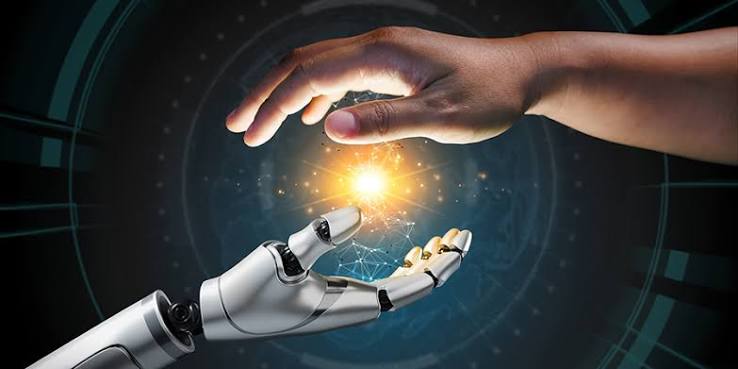
Human–Machine Interaction (HMI) is an important field of technology that focuses on how humans communicate and interact with machines. From smartphones and computers to advanced AI systems and robots, HMI defines how effectively users can control and receive responses from technology.
As machines become more intelligent, the way humans interact with them is also evolving. Modern interfaces are becoming more natural, intuitive, and immersive, using voice, gesture, eye movement, and even brain signals.
What is Human–Machine Interaction?
Human–Machine Interaction refers to the design and study of systems that enable communication between humans and machines.
It focuses on making technology easier to use, more accessible, and more efficient.
How Human–Machine Interaction Works
HMI systems work by interpreting human input and converting it into machine actions.
- Human provides input through touch, voice, or gesture.
- Sensors or interfaces capture the input.
- AI and software interpret the input.
- The machine processes the request.
- Output is delivered to the user through visual, audio, or physical response.
This creates a seamless communication loop.
Key Components of HMI
Input Devices
Touchscreens, keyboards, microphones, and sensors.
Processing Systems
AI and computing systems that interpret input.
Output Devices
Screens, speakers, and haptic feedback systems.
User Interface (UI)
Visual and interactive design elements.
User Experience (UX)
Overall experience of interacting with machines.
These components define interaction quality.
Types of Human–Machine Interfaces
Graphical User Interfaces (GUI)
Visual-based interaction using screens.
Voice-Based Interfaces
Interaction using speech commands.
Gesture-Based Interfaces
Control using hand or body movements.
Brain–Computer Interfaces
Direct communication between brain and machine.
Haptic Interfaces
Touch-based feedback systems.
Each type improves user interaction differently.
Applications of Human–Machine Interaction
Smartphones and Computers
Daily digital communication and tasks.
Healthcare
Surgical systems and assistive devices.
Automotive Industry
Touch and voice-controlled vehicles.
Gaming
Immersive VR and AR experiences.
Industrial Systems
Machine control in factories.
Smart Homes
Voice-controlled home automation.
HMI is present in almost every field.
Benefits of Human–Machine Interaction
Improved Usability
Makes technology easier to use.
Faster Communication
Reduces time required for tasks.
Accessibility
Helps people with disabilities.
Increased Productivity
Improves efficiency in work environments.
Better User Experience
Enhances satisfaction and engagement.
These Tải sunwin improve human-technology interaction.
Challenges of Human–Machine Interaction
Design Complexity
Creating intuitive interfaces is difficult.
Privacy Issues
Voice and biometric data must be protected.
High Development Cost
Advanced interfaces require expensive technology.
Learning Curve
Users may need time to adapt.
Technical Limitations
Machines may misinterpret input.
These challenges require continuous improvement.
Role of Artificial Intelligence in HMI
AI plays a major role in improving human-machine interaction by enabling natural language understanding, gesture recognition, and adaptive interfaces that learn user behavior over time.
HMI in Modern Devices
Modern devices like sunwin, smart TVs, and virtual assistants rely heavily on advanced HMI systems to provide smooth and intelligent user experiences.
Future of Human–Machine Interaction
The future of HMI is highly advanced and will focus on more natural and immersive interaction methods.
Future developments may include:
Emotion-Aware Interfaces
Machines that understand human emotions.
Brain-Controlled Devices
Direct mind-based control systems.
Fully Immersive VR Interfaces
Virtual environments for interaction.
AI-Personalized Interfaces
Adaptive systems for each user.
Invisible Computing
Seamless background technology integration.
HMI will become more natural and intelligent.
Conclusion
Human–Machine Interaction is a key area of modern technology that defines how people use and experience digital systems. It is becoming more intuitive, intelligent, and immersive with advancements in AI and interface design.
Although challenges such as privacy, cost, and complexity exist, continuous innovation is improving interaction quality.
In the future, human-machine interaction will become seamless, allowing humans and machines to communicate in more natural and intelligent ways.
As technology evolves, HMI will play a central role in shaping the future of digital experiences.