
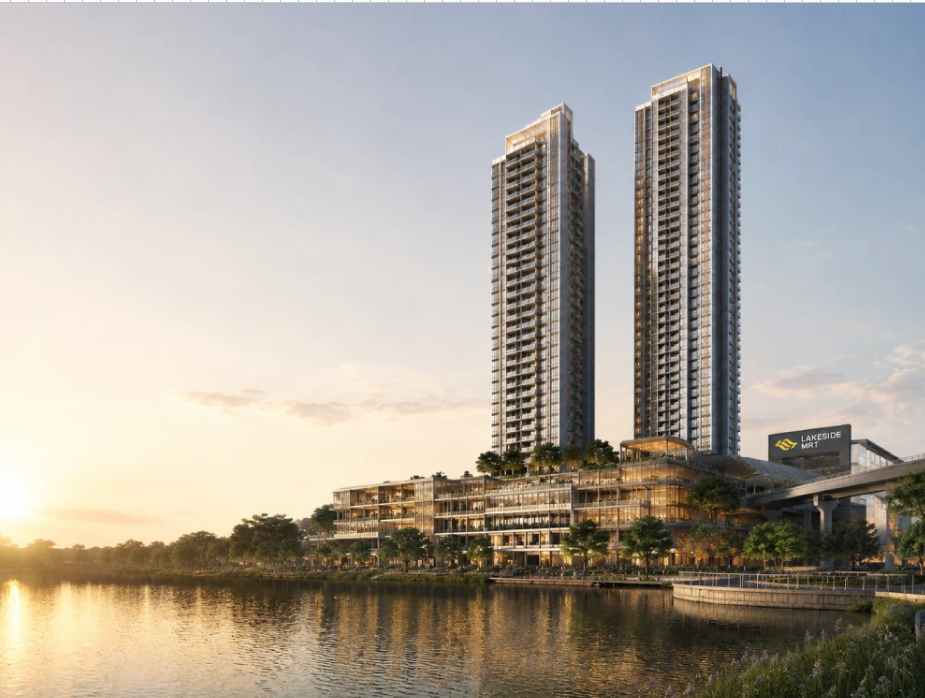
Buying a home is one of the most significant financial decisions you will ever make, especially when considering older properties. In Singapore’s real estate market, leasehold properties with less than 60 years remaining often trigger hesitation among buyers. For instance, prospective buyers looking at older developments like the Lucerne Grand might wonder if a declining lease diminishes the property’s actual value. While a depreciating leasehold asset presents unique challenges, it also offers distinct financial advantages for specific buyer profiles. Understanding the mechanics of financing, CPF usage, and capital depreciation is crucial before signing any option to purchase. This article breaks down the essential facts you need to know about purchasing mid-to-late leasehold condominiums.
Financing Restrictions and CPF Limits
As a leasehold condominium crosses the 60-year remaining mark, securing a bank loan becomes significantly more complex. Financial institutions typically tighten their lending criteria because the property’s collateral value declines alongside the lease. Most banks require that the remaining lease must last until the youngest buyer reaches at least age 95. If this condition is not met, the maximum Loan-to-Value (LTV) limit drops well below the standard 75 percent. This restriction forces buyers to pay a much larger cash downpayment, which can quickly strain personal finances.
Similarly, Central Provident Fund (CPF) usage faces strict limitations. The Central Provident Fund Board dictates that you cannot use your Ordinary Account savings to buy a property if the remaining lease is less than 20 years. For properties with between 20 and 60 years left, like older units in Dunearn House, the amount of CPF funds you can withdraw is pro-rated based on your age and the remaining lease. Buyers must calculate these financial gaps carefully. If you plan to acquire an older unit, prepare to utilize more cash reserves than you would for a brand-new launch. These strict regulatory frameworks protect older citizens from asset depreciation but require meticulous financial planning from prospective buyers.
The Bala’s Table Curve and Capital Depreciation
To understand how leasehold prices behave, buyers must study Bala’s Table, a financial chart used by land surveyors to determine the value of leasehold land relative to freehold land. According to this curve, a property retains about 80 pecrcent of its value at 60 years of lease remaining. However, once the lease falls below this threshold, the rate of depreciation accelerates dramatically. The value does not drop in a straight, predictable line; instead, it curves downward at a much steeper angle.
For older developments like the Lucerne Grand, this accelerated decay means that capital appreciation becomes highly unlikely under normal market conditions. While a younger property might see its value rise due to regional development, an older leasehold condo must fight against the gravity of lease decay. Buyers should view these properties primarily as consumption assets rather than investment vehicles. You are essentially paying for the right to occupy a space for a set period, similar to a long-term rental. If your goal is to build generational wealth or secure high capital gains for a future upgrade, buying a property with a deeply depleted lease is highly risky.
High Rental Yields and Lifestyle Perks
Despite the financial hurdles, older leasehold condominiums remain highly attractive to specific groups of buyers. The primary draw is the lower purchase price compared to newer launches in the same district. Because the lease decay has already depressed the property’s capital value, buyers can acquire spacious units in prime locations at a fraction of the cost. For example, a three-bedroom unit in Dunearn House might offer double the floor area of a modern suburban condominium for the exact same price.
This lower entry price, combined with prime locations near MRT stations and prestigious schools, often translates into excellent rental yields. Tenants do not care about the remaining lease of a property; they care about convenience, space, and amenities. Consequently, landlords can command high monthly rents while maintaining a low capital outlay. If you are an investor seeking immediate cash flow rather than long-term capital gains, these older properties can serve as powerful yield-generating assets. Furthermore, retirees looking to downsize can free up equity from their previous homes, purchase an older leasehold unit fully in cash, and live comfortably in a spacious, well-located neighborhood without worrying about mortgage payments.
The Reality of En Bloc Potential
Many buyers purchase older leasehold properties in the hope of a windfall through a collective sale, commonly known as an en bloc. However, counting on an en bloc sale is a highly speculative strategy that often leads to disappointment. For a developer to successfully purchase and redevelop an older site like Lucerne Grand, they must pay a hefty premium to the Singapore Land Authority (SLA) to top up the lease back to 99 years. This lease topping-up fee, combined with rising construction costs and land acquisition taxes, significantly reduces a developer’s profit margins.
Consequently, developers prefer sites with high plot ratios that allow them to build many more units than currently exist. If a property like Dunearn House already utilizes its maximum allowable plot ratio, there is very little incentive for a developer to buy it. Additionally, securing the required 80 percent consensus from existing owners becomes incredibly difficult as residents age and prefer stability over relocation. If an en bloc attempt fails, owners are left holding an aging asset that continues to slide down the depreciation curve. Relying on a collective sale to rescue you from lease decay is a gamble that rarely pays off in the modern regulatory environment.
Conclusion
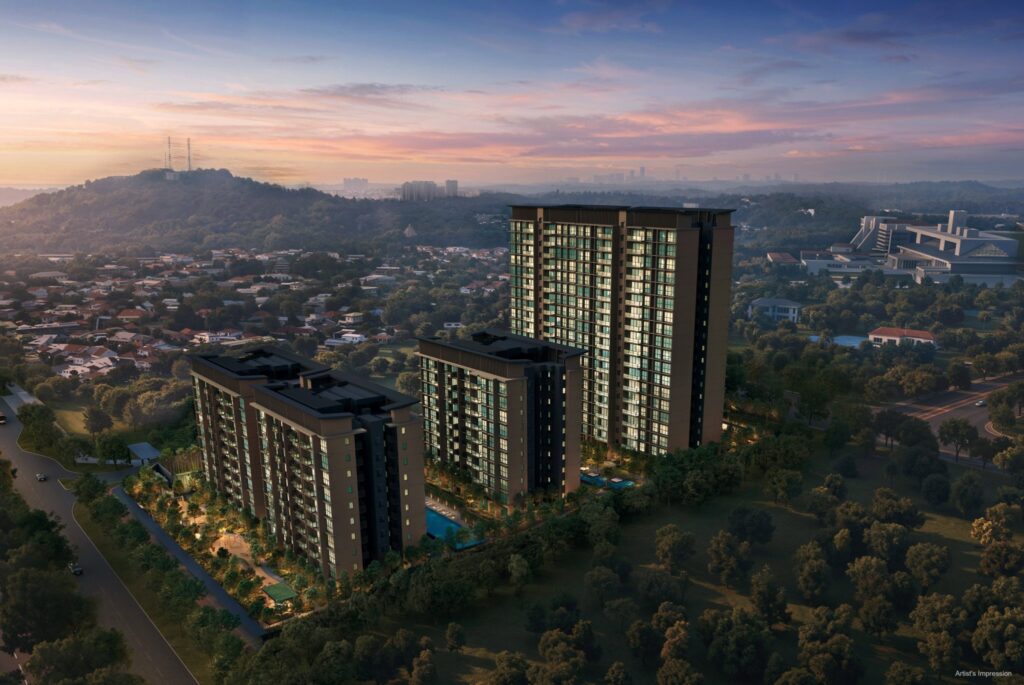
Purchasing a leasehold condominium with less than 60 years left requires a clear financial strategy and a realistic outlook. While these properties offer spacious layouts, prime locations, and attractive rental yields, they also come with strict CPF limitations, reduced loan-to-value limits, and accelerating capital depreciation. They are ideal for lifestyle-focused buyers, retirees seeking to downsize, or yield-hungry investors who prioritize immediate cash flow over long-term capital appreciation. However, buyers must avoid treating these purchases as speculative en bloc plays. By analyzing the numbers, understanding the restrictions, and matching the property to your specific financial goals, you can make an informed decision that secures your lifestyle without compromising your financial future.
