
If you’ve come across the name savastan0 while searching online, you may have noticed something unusual: there’s no shortage of websites, mirrors, forum posts, and claims surrounding it. Some pages present the name as an established underground marketplace, while newer domains make their own claims about being the “real” or “official” version.
That confusion is important.
Savastan0 has been associated with underground carding activity involving stolen payment-card information and other financial data. Research into cybercrime marketplaces shows that these ecosystems operate much like illicit online markets, with sellers, buyers, reputation systems, and competing claims about reliability.
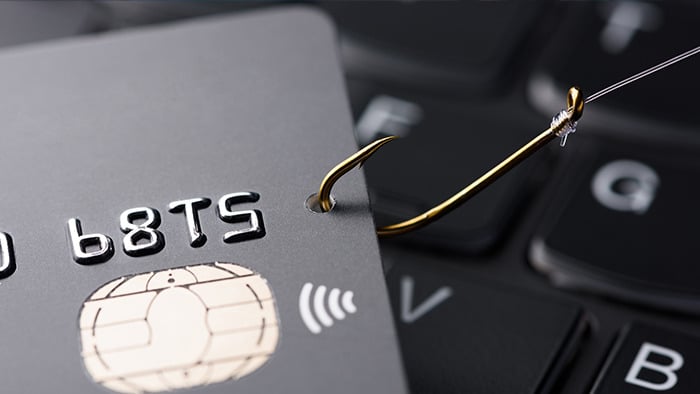
But there’s another layer that casual searches can miss: fake mirrors and phishing sites can be just as dangerous as the original criminal infrastructure. Recent checks of domains using the Savastan0 name have produced serious warnings, including phishing, malware, spam, and suspicious-site indicators.
So rather than treating the name as a destination, it makes more sense to understand what it represents, why people search for it, and how the surrounding ecosystem creates risks for ordinary internet users.
Table of Contents
- What Is Savastan0?
- Why Savastan0 Keeps Appearing in Search Results
- The Bigger Problem Behind Carding Marketplaces
- Why Fake Savastan0 Websites Are a Serious Risk
- How to Protect Yourself From Related Scams
- What Savastan0 Teaches Us About Online Security
What Is Savastan0?
Savastan0 is a name that has circulated for years in discussions about underground cybercrime marketplaces. Available research and archived underground-market material associate the name with the sale and exchange of stolen payment-card information, including card data commonly described in criminal forums as “dumps” and “fullz.”
That distinction matters because this isn’t simply another online store with a questionable reputation.
The underlying activity involves financial information obtained without the permission of the people who own it. Once stolen information enters an underground marketplace, it can be resold, combined with other personal information, or used in fraudulent transactions.
Imagine someone checking their bank account on an ordinary Tuesday morning and noticing a payment they don’t recognize. They might initially assume it’s a mistake. Then another transaction appears. Suddenly, what looked like a minor problem becomes a much bigger investigation involving the bank, card replacement, disputed charges, and potentially compromised personal information.
That’s the real-world side of marketplaces such as those associated with Savastan0.
Research into carding forums has found that underground markets aren’t random collections of criminals. They can develop surprisingly organized structures involving sellers, reputation systems, product categories, and mechanisms designed to make buyers believe transactions are trustworthy.
The irony is hard to miss. Criminal marketplaces often try to create “trust” because distrust makes illegal business difficult.
Why Savastan0 Keeps Appearing in Search Results
Searches for savastan0 can be confusing because the name has been attached to numerous domains and online discussions over time.
Some sites claim to be official. Others claim to be replacements or mirrors. Forum users sometimes argue about which address is legitimate. Meanwhile, scam sites can imitate familiar branding in an attempt to capture visitors.
This is a classic problem in underground online ecosystems.
Once a recognizable name becomes associated with a particular service, scammers have an incentive to copy it. A familiar name lowers a visitor’s suspicion. Someone searching for an old website might see a similar-looking domain, assume they’ve found the right place, and enter login details or payment information without checking further.
Recent third-party checks illustrate exactly why caution is necessary. One domain using the Savastan0 name received a very low trust assessment and was associated with reports involving phishing and malicious activity. Another similarly themed domain was also assessed as suspicious.
That doesn’t mean every website containing the name is identical, nor does a third-party score alone prove every allegation about a particular domain. It does mean that the name should not be treated as a guarantee of authenticity or safety.
Here’s the thing: when a search result involves an underground marketplace, “Is this the real site?” is already the wrong safety question. A better question is, “Why am I being asked to trust a site whose entire ecosystem is built around anonymous and illicit transactions?”
The Bigger Problem Behind Carding Marketplaces
The important story isn’t really the website name. It’s the infrastructure behind stolen financial information.
Cybercrime marketplaces turn stolen data into something that can be traded repeatedly. A compromised card isn’t just a problem for the original victim. The information can move through several hands before anyone realizes what happened.
For businesses, the consequences can be expensive. Fraudulent purchases can lead to chargebacks, investigations, customer complaints, lost trust, and additional security costs.
For individuals, the damage can extend beyond one card.
Personal information can sometimes be combined with financial data to create more convincing fraud attempts. That’s why criminals value bundles of information rather than isolated card numbers.
Think about a phishing email that knows your name, references a company you’ve actually used, and asks you to confirm a transaction. It feels believable because several pieces of information line up. The attacker doesn’t necessarily need sophisticated hacking if stolen data has already made the deception easier.
Academic research into cybercrime marketplaces has documented how underground communities support the trading of stolen goods, services, and financial information. More recent research also highlights the economic structures these communities use to reduce uncertainty between anonymous criminals.
That’s one reason cybersecurity professionals don’t look only at individual websites. They look at the broader ecosystem.
Why Fake Savastan0 Websites Are a Serious Risk
There is a particularly nasty twist to searches involving names like savastan0: criminals can target people who are already looking for criminal services.
A person searching for an underground marketplace may assume they’re the one taking the risk. In reality, they can become the target.
A fake website might imitate the branding of a known marketplace, display copied reviews, advertise supposed services, or encourage visitors to create accounts. The goal may be straightforward theft: collect cryptocurrency, harvest passwords, install malware, or capture identifying information.
Some forum discussions around Savastan0 show exactly how uncertain this environment can become. Users have reported conflicting experiences, disputed whether particular domains were genuine, and warned others about possible fake sites.
This is why “reviews” aren’t automatically useful.
A positive comment on an anonymous forum isn’t the same thing as independent verification. A convincing-looking website isn’t proof either. Even HTTPS doesn’t tell you whether a business is legitimate; it simply helps establish an encrypted connection to the site.
That’s a surprisingly common misunderstanding.
You can have a secure connection to a completely malicious website.
If a site asks for cryptocurrency, passwords, identity information, or downloads while making extraordinary claims about authenticity, stop before interacting with it. The safest approach is not to test the site yourself.
How to Protect Yourself From Related Scams
The good news is that you don’t need to understand the dark web to protect yourself from the risks associated with it.
Start with your financial accounts.
Turn on transaction alerts wherever your bank or card provider offers them. They’re particularly useful because they shorten the time between fraudulent activity and discovery. If an unfamiliar transaction appears, contact the financial institution through its official app, website, or phone number rather than following a link in an unexpected message.
Use unique passwords for important accounts, especially email and financial services. If one password appears in a stolen database, reusing it elsewhere can turn one compromised account into several.
Multi-factor authentication is another simple but powerful layer. It isn’t perfect, but it makes stolen passwords much less useful on accounts that support it.
And be careful with search results.
If you’re looking for information about a suspicious website, don’t assume the first result is authoritative. Look for independent reporting, established cybersecurity sources, domain history, and security warnings. A newly created domain using an old brand name deserves extra skepticism.
If you think your card details may already have been exposed, contact your bank promptly. Ask about replacing the card and reviewing recent transactions. If an account password may have been compromised, change it from a trusted device and enable multi-factor authentication.
Small actions matter here. You don’t need a complicated security setup to dramatically reduce your exposure.
What Savastan0 Teaches Us About Online Security
Savastan0 is a useful example of a much larger internet problem: names, websites, and reputations can be copied surprisingly easily.
A domain can disappear. Another can appear. A forum account can claim to be the original operator. A fake mirror can copy the design. A scammer can publish reassuring reviews. To someone searching quickly, everything can look legitimate.
That’s why digital trust shouldn’t be based on appearance alone.
The same lesson applies outside cybercrime. A fake shopping site, cryptocurrency scam, phishing page, or impersonation account can use the same psychological tricks. Familiar branding creates confidence. Urgency reduces careful thinking. Positive-looking reviews provide social proof.
Savastan0 also demonstrates why cybersecurity isn’t only about sophisticated technical attacks. Sometimes the weakest point is simply a person’s assumption that a website must be genuine because it looks professional.
Let’s be honest: most people don’t inspect domain registration records before clicking a link. They shouldn’t have to become cybersecurity researchers just to browse the web safely. But developing a few basic habits—checking unexpected links, using unique passwords, enabling MFA, monitoring financial accounts, and avoiding suspicious downloads—can make a major difference.
The safest takeaway from savastan0 isn’t how to find it or use it. It’s understanding why names associated with underground markets attract clones, phishing operations, and fraud in the first place. When an online ecosystem is built around anonymity and stolen information, uncertainty isn’t a side issue. It’s part of the risk.
And if you’ve encountered a Savastan0-related website unexpectedly, the smartest move is usually the simplest one: don’t enter your credentials, don’t send money, and don’t download anything until you’ve independently established that the site is safe.
Meta description: Learn what savastan0 is, why related websites pose risks, and how to recognize phishing, fraud, stolen data, and online security threats.
