
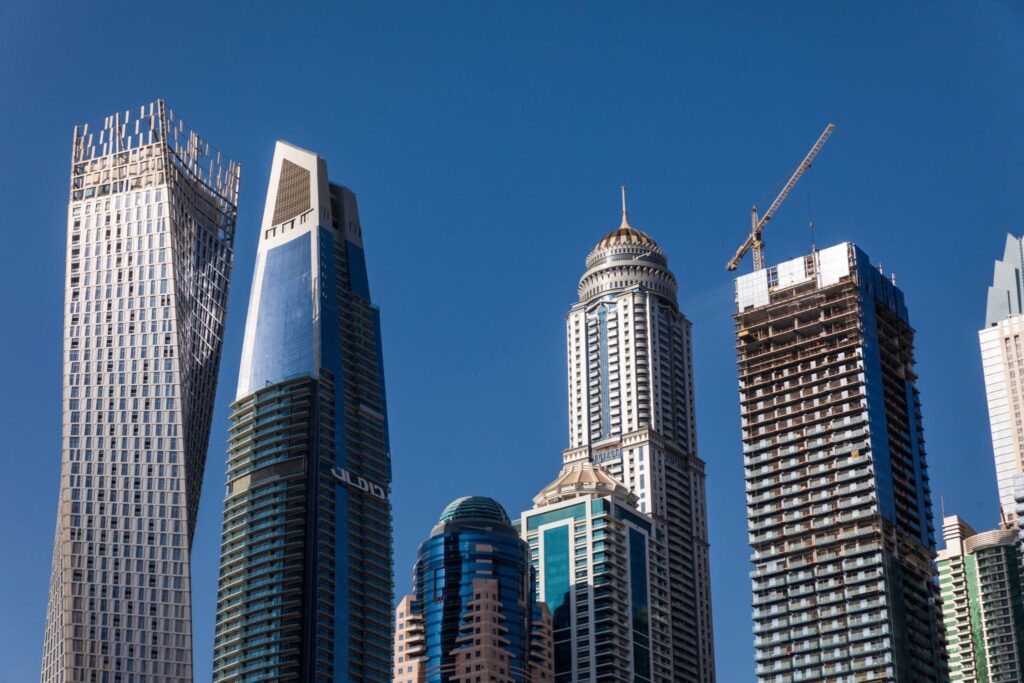
Dubai’s real estate landscape operates with engineered momentum, where capital moves in sync with development phases rather than reacting to them. Investors targeting high-value outcomes approach this market with a clear focus on entry timing, developer credibility, and project positioning. Within this framework, identifying the best property investment company becomes less about scale and more about access to opportunities that are released before they reach broader investor visibility.
Market performance in Dubai is shaped by controlled supply and infrastructure-led expansion. Off-plan launches, waterfront districts, and master-planned communities are introduced in phases, allowing pricing to evolve alongside construction progress. Investors aligned with this structure are not waiting for appreciation, they are entering at points where value creation is already embedded into the asset lifecycle.
Off-Plan Assets as a Timed Entry Mechanism
Off-plan developments provide a structured pathway into premium real estate at early pricing stages. Investors secure units before completion, allowing them to benefit from value appreciation that occurs as the project advances. Payment schedules are distributed across construction milestones, reducing immediate capital strain.
Developers release inventory in calculated phases, ensuring that pricing adjusts gradually rather than sharply. This creates a predictable trajectory where early participants capture value increments as demand builds throughout the development cycle.
Short-Cycle Investment Models and Capital Rotation
Investment strategies in Dubai increasingly favor shorter cycles, where capital is deployed, appreciated, and exited within a defined timeframe. This approach aligns with the pace of development across the city, particularly in high-demand zones.
Instead of holding assets for extended rental income, investors focus on capital growth during construction. As projects approach completion and market visibility increases, exit opportunities emerge, allowing capital to be redeployed into new launches.
Waterfront Developments and High-Value Positioning
Waterfront projects in Dubai represent a distinct category of real estate where demand remains consistent across market conditions. These developments are limited in supply and benefit from strong international interest, making them attractive for both end-users and investors.
Integrated planning enhances their appeal. Residential units are supported by retail, hospitality, and leisure infrastructure, creating self-contained environments that sustain long-term desirability and resale strength.
Scarcity-Driven Pricing Stability
Limited availability of waterfront land ensures that these assets maintain strong pricing. Demand continues to outpace supply in prime coastal zones.
Lifestyle-Led Demand
Buyer interest is influenced by lifestyle appeal. Access to waterfront views and integrated amenities strengthens both occupancy and resale value.
Global Investor Participation
International buyers contribute significantly to demand in these developments. This broadens the resale market and enhances liquidity.
Long-Term Relevance
Waterfront assets retain desirability beyond initial launch phases. Their positioning ensures continued interest across multiple market cycles.
Developer Partnerships as a Strategic Filter
Selecting projects backed by established developers is a critical component of investment strategy. Recognized developers bring construction reliability, consistent quality, and brand-driven demand that supports both sales and resale activity.
Investment firms prioritize such partnerships to reduce execution risk. Developer reputation influences not only project delivery but also market perception, which directly impacts asset performance.
Structuring Entry for Maximum Appreciation
Effective investment begins with precise entry positioning. Investors focus on early-stage releases where pricing reflects initial launch values rather than peak market levels. This creates a built-in margin for appreciation as the project gains traction.
- Access to pre-launch inventory within premium developments
- Allocation in phases with strong demand indicators
- Selection of units with high resale liquidity
- Alignment with infrastructure-driven growth corridors
Such structuring ensures that capital is deployed where upward movement is already anticipated within the project lifecycle.
Exit Planning Within Defined Timelines
Exit strategies are established at the point of acquisition. Investors track construction progress, pricing trends, and buyer demand to identify optimal resale windows. This structured approach ensures that assets are liquidated at points of maximum market interest.
Liquidity typically peaks as projects near completion. At this stage, both end-users and secondary investors enter the market, creating favorable conditions for exit within compressed timelines.
Diversification Across Development Phases
Even within a single city, diversification remains essential for managing exposure. Investors distribute capital across multiple projects, locations, and development stages to balance risk and return potential.
- Allocation across waterfront and urban masterplans
- Exposure to early-stage and mid-construction assets
- Investment across multiple developer portfolios
- Inclusion of residential and mixed-use developments
This distribution allows investors to participate in various growth pockets simultaneously, reducing dependency on a single segment.
Data-Led Decision Making in Property Investment
Modern investment frameworks rely on data analytics to guide decision-making. Metrics such as transaction volumes, price trends, and absorption rates provide clarity on market direction and entry timing.
Macro indicators further influence strategy. Infrastructure expansion, tourism growth, and regulatory stability contribute to sustained demand. Investors who align with these factors position themselves more effectively within Dubai’s evolving property landscape.
Risk Structuring Through Regulated Frameworks
Dubai’s regulatory environment supports investor confidence through structured safeguards. Escrow mechanisms ensure that funds are allocated appropriately, while phased payment plans distribute financial exposure over time.
Investment firms enhance this structure by selecting projects with strong demand fundamentals. Assets located in high-interest zones with credible developer backing maintain liquidity, ensuring smoother exit execution.
Final Thoughts
What defines a truly efficient investment approach in a market driven by timing and structured growth? It is the ability to access early-stage opportunities, align with credible developers, and execute exits within defined cycles. M&M Real Estate operates with a focused investor model, emphasizing off-plan acquisitions, waterfront developments, and partnerships with top-tier developers to create opportunities aligned with short-term capital appreciation. By structuring investments around project timelines and demand cycles, it reflects the operational depth expected from a property investment company in Dubai that prioritizes clarity, access, and measurable returns within targeted horizons.
