
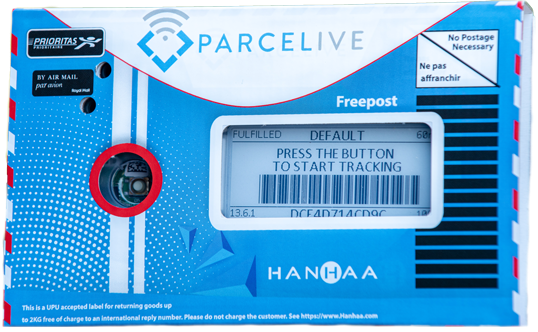
Global logistics now runs on a tempo that punishes hesitation. Customers expect arrival windows that hold, procurement teams need delivery dates they can trust, and operations leads cannot afford to learn about a port delay from an angry phone call. Instant visibility has stopped being optional for businesses operating across international routes.
Manual scans and intermittent carrier reports leave dangerous blind spots between movement events along international routes. Track shipping container technology is intelligent cargo monitoring across maritime and inland legs, giving freight operators continuous location data, condition intelligence, and automated event alerts that close reporting gaps and support faster operational decisions at every stage.
When the Update Arrives Too Late to Matter
The True Price of Waiting for Information: Delayed carrier reports cost more than the freight itself. By the time a missing container surfaces in a status update, the customer has already been let down, the warehouse slot has been missed, and the rerouting window has closed. Container telematics offers a more direct view, giving operations teams immediate awareness rather than retrospective explanations after the damage is done.
Reporting Gaps Across Carrier Handovers: Each carrier handover introduces another potential blind spot in the cargo journey. Sea freight transitions to rail, rail moves to road, and somewhere in those gaps a shipment quietly disappears from active monitoring. Operations teams then chase phone calls and emails to reconstruct timelines that automated platforms could have captured cleanly in real time.
The Customer Confidence Problem: Clients judge logistics partners by the quality of the answers they receive when something goes wrong. A vague reply five hours after a missed milestone erodes trust faster than the delay itself ever could. Proactive communication built on live data turns difficult conversations into reassuring ones and protects long-term commercial relationships every time.
What Live Data Actually Changes on the Ground
From Passive Reporting to Active Intelligence: A continuous data stream changes how operations teams think about their day. Decisions shift from reactive cleanup to forward planning, and energy moves from chasing problems to preventing them. Exception management becomes systematic rather than scattered, with alerts pointing teams towards the few shipments needing attention out of hundreds in transit.
Decisions Made With Current Facts: Real-time intelligence allows operations leads to act on what is happening rather than what was reported earlier in the day. A vessel rerouted around bad weather can be flagged instantly. A container stuck at a congested port can trigger an alternative pickup plan, and the decision window opens before the disruption fully lands.
Unified Data Across Every Carrier and Mode: Pulling information from multiple carriers, ports, and transport modes into one centralised view removes the friction of switching between disconnected portals. Teams stop logging into seven separate carrier systems and start working from a single source of truth. That consolidation alone often reveals patterns of inefficiency previously hidden inside fragmented reporting channels across the business.
Where the Pressure for Real-Time Data Bites Hardest
High-Value Cargo Under Scrutiny: Shipments containing electronics, aerospace parts, and luxury goods carry insurance premiums that climb sharply without real-time evidence of safe handling. Insurers want to see verified condition data, security alerts, and complete location records before settling claims. Operations teams unable to provide that evidence absorb costs that should have sat with carriers.
Cold Chain Routes That Cannot Tolerate Drift: Pharmaceuticals, fresh produce, and chilled food shipments demand strict temperature ranges throughout every leg of transit. A single excursion can render an entire consignment unusable, with serious regulatory consequences attached. Continuous sensor data combined with instant alerts gives operations teams the chance to intervene before product loss becomes irreversible across the route.
Long Multimodal Journeys With Multiple Handoffs: Cargo travelling across continents typically passes through several carriers, ports, and transport modes before reaching its destination. Each handoff is a moment where visibility can fail and accountability becomes genuinely difficult to establish later. Tracking that operates independently of the carrier, with global coverage, removes that fragility and keeps the data record intact throughout.
Capabilities Reshaping How Container Operations Run
What Intelligent Tracking Platforms Bring to the Table: Modern container monitoring goes far beyond a pin moving slowly across a map. Sensor-rich devices, cloud-based dashboards, and automation rules combine to give operations teams capabilities that were unimaginable a decade ago. The following features form the working backbone of most live tracking deployments running across global trade routes today.
- Automated location updates delivered at scheduled intervals or triggered by movement, removing the need for manual scans at every checkpoint along the route.
- Condition sensors capturing temperature, humidity, shock, light, and orientation data, providing evidence when cargo arrives damaged or compromised on arrival.
- Geofence alerts notifying operations the moment a container enters or leaves a defined zone, useful for port arrivals, customs zones, and high-risk corridors.
- Centralised dashboards consolidating every active shipment into a single global view, replacing the chaos of spreadsheets and disconnected carrier portals.
- Direct integration with internal systems through standard APIs, pushing tracking data straight into existing ERP, TMS, and WMS environments without rebuilds.
.
The Practical Impact on Daily Operations: When these capabilities work together, the operational picture changes meaningfully across every team involved in freight handling. Customer service responds to queries with current facts. Finance closes claims faster with clear sensor evidence. Procurement plans with confidence rather than buffer time. The whole organisation operates from the same accurate reality.
Building Logistics That Run Ahead of Disruption
The businesses pulling ahead in global freight are those that stopped accepting outdated information as the operational norm. Live data, automated alerts, and centralised dashboards have moved from competitive advantage to operational baseline across the industry. To build container operations that anticipate disruption rather than react to it, speak to a real-time tracking specialist today.
