
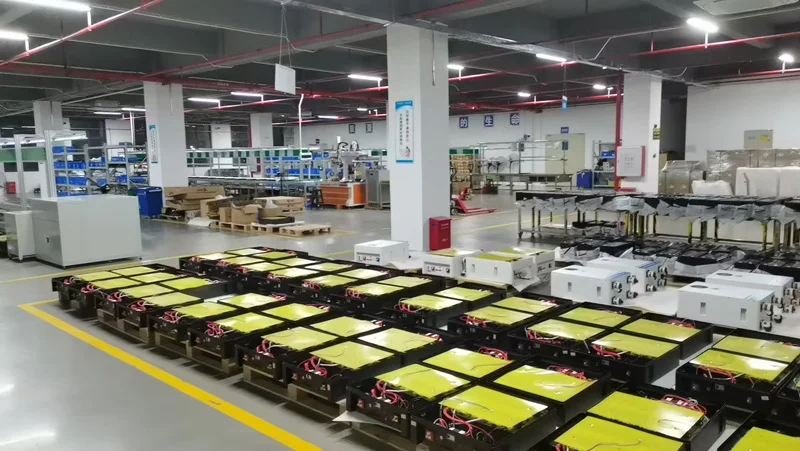
Energy storage technology is undergoing a massive global transformation. As residential properties, commercial operations, and off-grid enthusiasts seek cleaner, safer, and more reliable power options, traditional battery chemistries are rapidly being phased out. For decades, lead-acid options dominated the market due to low upfront costs. Later, standard lithium-ion chemistries introduced higher energy densities. However, neither technology fully solved the challenges of safety, longevity, and environmental impact.
Enter the batterie lifepo4, or lithium iron phosphate battery. Known for its remarkable chemical stability, extended lifespan, and zero-maintenance requirements, this specific lithium derivative has emerged as the standard for modern energy storage. Whether integrated into residential solar systems, used for marine navigation, or deployed in recreational vehicles, understanding how a batterie lifepo4 functions allows consumers and engineers to optimize energy independence while minimizing long-term operating costs.
This detailed guide explores the fundamental chemistry, operational benefits, practical applications, and long-term economic advantages of integrating a batterie lifepo4 into your energy infrastructure.
Understanding the Science Behind batterie lifepo4 Technology
To understand why this technology outperforms traditional alternatives, one must look at its atomic architecture. At its core, a batterie lifepo4 is a type of lithium-ion rechargeable battery that uses iron phosphate as the cathode material and a graphitic carbon electrode with a metallic backing as the anode.
Chemical Composition and Crystal Structure
Unlike nickel-based or cobalt-based lithium chemistries, lithium iron phosphate features a strong olivine crystal structure. The chemical bond between iron, phosphorus, and oxygen atoms forms a robust three-dimensional lattice. The phosphorus-oxygen covalent bond is exceptionally strong compared to the cobalt-oxygen bonds found in traditional chemistries.
This rigid lattice structure remains intact even under high thermal stress or structural damage. When lithium ions migrate out of the cathode during charging, the structural framework of the iron phosphate remains stable. This prevents structural breakdown, structural swelling, and gas generation, which are common causes of failure in conventional lithium-ion units.
How Iron Phosphate Compares to Traditional Lithium Chemistry
Traditional lithium chemistries, such as Lithium Nickel Manganese Cobalt Oxide or Lithium Cobalt Oxide, offer very high energy density by volume. This makes them ideal for compact electronics like smartphones and laptops. However, this high energy density comes at a price: reduced thermal stability and a higher risk of thermal runaway under extreme conditions.
A batterie lifepo4 trades a minor amount of volumetric energy density for substantial safety and lifespan benefits. Because the olivine crystal structure does not release oxygen upon heating, it avoids the rapid oxygen release that feeds fires in nickel or cobalt chemistries. For stationary energy storage and mobile power systems where safety is paramount, this trade-off is overwhelming advantageous.
Key Technical Advantages of a batterie lifepo4 System
Selecting an energy storage medium requires balancing initial costs against long-term reliability. A batterie lifepo4 delivers distinct advantages across several mechanical, electrical, and environmental categories.
Unmatched Thermal Stability and Fire Safety
Safety is the single most critical factor in energy storage design. A batterie lifepo4 remains structurally and thermally stable up to internal temperatures exceeding 250 degrees Celsius. In contrast, cobalt-based lithium units can experience thermal breakdown at temperatures as low as 150 degrees Celsius.
Because the cathode material does not release oxygen during thermal breakdown, a batterie lifepo4 is virtually immune to self-sustaining thermal runaway. It can withstand punctures, short circuits, high impacts, and overcharging without catching fire or exploding. This inherent safety profile makes it suitable for installation inside living spaces, basements, and vehicles.
Extended Operational Cycle Life
Cycle life refers to the total number of complete charge and discharge cycles a battery can undergo before its storage capacity degrades to eighty percent of its original rating.
Traditional lead-acid units typically offer 300 to 500 cycles before requiring replacement. Standard nickel-cobalt lithium units deliver between 1,000 and 1,500 cycles. A high-quality batterie lifepo4 routinely delivers between 3,000 and 6,000 complete cycles at eighty percent depth of discharge. Under moderate daily use, this translates to an operational lifespan of ten to fifteen years or more, drastically outlasting competing options.
Superior Depth of Discharge and Usable Capacity
Usable capacity determines how much stored power can actually be retrieved without damaging the chemical cells. Lead-acid options should rarely be discharged beyond fifty percent of their rated capacity to prevent plate sulfation and premature failure.
In contrast, a batterie lifepo4 allows for a depth of discharge of up to 100 percent without structural degradation. In practical terms, a 100 Amp-hour lead-acid unit provides only 50 Amp-hours of usable power, whereas a 100 Amp-hour batterie lifepo4 delivers the full 100 Amp-hours. This means users can purchase smaller total nominal capacities to achieve the same functional output, saving physical space and reducing total installation footprint.
Eco-Friendly Manufacturing and Non-Toxic Materials
Environmental sustainability is a growing concern for energy infrastructure. Conventional lithium chemistries rely heavily on cobalt and nickel, elements associated with severe environmental degradation and supply chain ethical concerns.
A batterie lifepo4 contains no heavy metals like lead or cadmium, nor does it require cobalt or nickel. Iron and phosphate are non-toxic, abundant minerals that carry a lower environmental impact during extraction and refining. Furthermore, these materials are much easier to process through standard recycling facilities, helping build a circular energy economy.
Primary Applications Across Commercial and Residential Sectors
Because of its unique balance of safety, high efficiency, and continuous cycling capability, the batterie lifepo4 has become the preferred choice across diverse industries.
Off-Grid and Residential Solar Energy Storage Systems
Solar generation is inherently variable; power is produced during daylight hours, but consumption often peaks in the evening. Capturing solar energy requires a storage medium capable of handling daily deep discharges and rapid recharge cycles.
A residential batterie lifepo4 bank stores surplus midday solar production and discharges it seamlessly during evening hours or grid outages. The flat voltage curve of lithium iron phosphate ensures that home appliances receive steady voltage from fully charged down to nearly empty. Additionally, high round-trip efficiency—often exceeding 95 to 98 percent—means minimal energy is lost as heat during charging and discharging.
Recreational Vehicles, Marine Vessels, and Mobile Living
Mobile living spaces like motorhomes, camper vans, and sailing boats demand lightweight, compact, and resilient power sources. Traditional lead-acid banks add hundreds of pounds of unnecessary weight, which reduces fuel efficiency and cargo payload capacity.
Replacing lead-acid units with a batterie lifepo4 reduces battery weight by up to 60 to 70 percent while occupying significantly less physical space. In marine environments, the absence of acid spills and corrosive gas emissions protects boat hulls and electrical systems from oxidation. Furthermore, the rapid charging acceptance of a batterie lifepo4 allows users to fully recharge their power bank in just two to three hours using alternator chargers or solar arrays.
Commercial Microgrids and Industrial Backup Power
Commercial facilities, data centers, and industrial plants require reliable backup power to guard against grid instability. Uninterruptible power supply systems built around a batterie lifepo4 offer instant response times without the maintenance headaches of traditional lead-acid configurations.
In microgrid installations, these batteries provide grid stabilization services, such as frequency regulation and peak shaving. By discharging stored energy during peak tariff hours and recharging during off-peak periods, industrial operators can cut overall utility costs significantly.
Electric Mobility and Specialty Transportation
While high-speed electric passenger cars often prioritize volumetric energy density using nickel chemistries, heavy-duty commercial vehicles, golf carts, forklifts, and neighborhood electric vehicles increasingly rely on a batterie lifepo4.
Industrial machinery requires rugged batteries that survive harsh vibration, extreme duty cycles, and quick opportunity charging during worker shifts. The fast-charging nature and long cycle life of lithium iron phosphate make it ideal for continuous industrial duty where downtime equates to lost revenue.
Critical Components of a Modern batterie lifepo4 Assembly
A complete energy storage solution consists of more than raw electrochemical cells. A functional batterie lifepo4 setup integrates complex electronic control systems to ensure long-term stability and optimal output.
The Role of the Battery Management System
The Battery Management System, commonly known as a BMS, acts as the electronic brain of any modern batterie lifepo4 package. Because lithium cells must operate within precise voltage and temperature thresholds, the BMS continuously monitors each individual cell within the pack.
Primary functions of an integrated BMS include:
Over-Voltage Protection: Preventing the system from receiving excess voltage during charging, which can stress cell chemistry.
Under-Voltage Protection: Shutting down power output before cells drain below safe voltage thresholds, preventing irreversible capacity loss.
Cell Balancing: Balancing the voltage levels across all internal cells during charging cycles to ensure uniform wear and max total capacity.
Thermal Monitoring: Cutoff safeguards that stop charge or discharge functions if internal temperatures exceed safe operating parameters.
Short-Circuit Protection: Instantly disconnecting output if an electrical short circuit occurs downstream.
Without a reliable BMS, even the highest quality lithium cells can experience uneven wear, reduced operational life, or premature failure.
Cell Configurations: Cylindrical, Prismatic, and Pouch
Inside a batterie lifepo4 casing, individual cells are arranged in series and parallel configurations to achieve desired voltage and current outputs. These internal cells generally come in three primary forms:
Cylindrical Cells: Standardized metal-can units, such as 18650 or 32700 formats. They offer excellent mechanical strength and heat dissipation due to air gaps between cylinders, though they feature lower packing efficiency.
Prismatic Cells: Large rectangular units enclosed in aluminum or hard plastic casings. Prismatic designs maximize space efficiency and are widely used in home storage units and large solar banks.
Pouch Cells: Flexible, sealed foil packs that offer lightweight profiles. While efficient in weight, they require external mechanical clamping to prevent expansion during charging cycles.
Thermal Management and Environmental Safeguards
Although a batterie lifepo4 operates safely across a broad thermal envelope, operating temperatures still impact charging performance. While discharging can safely occur in cold conditions, charging below freezing temperatures (0 degrees Celsius) without protection can cause lithium plating on the anode, permanently damaging the cell structure.
Modern high-grade batterie lifepo4 units intended for outdoor or cold-climate installations incorporate internal heating pads. When connected to a charger under freezing conditions, the BMS directs incoming current to internal heating elements first. Once the internal cell temperature rises above freezing, the BMS automatically redirects power to charge the battery cells safely.
Comprehensive Selection Framework: How to Choose the Right Setup
Selecting the ideal batterie lifepo4 for your project requires evaluating technical parameters against your practical energy demands. Below is a step-by-step framework to guide your decision-making process.
Calculating Capacity, Voltage, and Discharge Rates
First, determine your system operating voltage. Small mobile setups, such as portable power packs or small boats, often run on 12-Volt systems. Larger recreational vehicles and medium solar setups typically use 24-Volt configurations. Residential solar arrays and industrial backup networks operate most efficiently at 48 Volts or higher to minimize current draw and wire thickness requirements.
Next, calculate your total energy storage requirements in Watt-hours. To convert Amp-hours to Watt-hours, multiply nominal voltage by Amp-hour capacity:
Capacity in Watt-hours equals Voltage multiplied by Amp-hours.
For example, a 12.8-Volt batterie lifepo4 rated at 200 Amp-hours yields 2,560 Watt-hours of total energy. Match this calculation against your daily energy consumption metrics to determine how many batteries you need.
Finally, review the continuous discharge rating enforced by the internal BMS. If your inverter demands 2,000 Watts of continuous power from a 12-Volt system, the battery must support a continuous discharge current of at least 166 Amps without tripping protective limiters.
Inverter and Charge Controller Compatibility
Ensure your charging equipment features dedicated lithium charging profiles. A batterie lifepo4 requires a two-stage charging algorithm: constant current followed by constant voltage.
Traditional lead-acid chargers use multi-stage float and equalization cycles designed to descale lead plates. Applying high-voltage equalization charges to a lithium unit will trigger the BMS to shut down on over-voltage protection. Solar charge controllers and grid-tied inverters should allow programmable voltage targets tailored to lithium iron phosphate chemistries.
Certifications, Warranties, and Quality Indicators
Not all batteries are built to the same standard. When comparing options, verify that the product has passed international safety and transportation testing standards. Key certifications include:
UL 1973 and UL 9540: Crucial standards for safety in stationary energy storage installations.
UN 38.3: Certification guaranteeing safety during air, sea, and land transportation.
CE and RoHS Compliance: Verification that the unit meets European health, safety, and environmental standards.
Look for manufacturers that provide clear documentation, transparent warranty terms covering five to ten years, and accessible customer support.
Installation, Optimization, and Maintenance Best Practices
Proper installation and preventive care ensure that your batterie lifepo4 reaches its maximum theoretical cycle life.
Initial Setup and Equalization
When wiring multiple batteries in series or parallel to build larger banks, always top-balance the individual units first. Top-balancing involves fully charging each battery individually with a dedicated charger before linking them together. This ensures all cells start at identical states of charge, preventing weaker units from limiting overall system performance.
Use heavy-gauge copper cables with crimped, heat-shrunk lugs to make inter-battery connections. Tighten terminal bolts to the manufacturer specified torque values using a torque wrench. Loose connections create high resistance, leading to heat build-up and voltage drops across terminals.
Temperature Management in Extreme Climates
While a batterie lifepo4 handles elevated ambient temperatures better than traditional lead-acid options, keeping the bank in a climate-controlled area optimizes lifespan. Operating continually at elevated temperatures above 45 degrees Celsius accelerates internal chemical degradation over time.
For installations in cold environments, place battery enclosures within insulated structures or select models featuring integrated low-temperature heating elements.
Long-Term Storage and Storage Charge Protocols
If you need to store your batterie lifepo4 unused for extended periods—such as during seasonal RV storage—do not store it fully charged or completely empty.
The optimal state of charge for long-term storage is between 40 and 60 percent. Disconnect the main positive terminal or switch off the master breaker to eliminate phantom draws from connected electronics. Store the batteries in a cool, dry place between 10 and 25 degrees Celsius. Because lithium iron phosphate features a low self-discharge rate of less than 2 to 3 percent per month, it can remain safely in storage for six to twelve months without requiring a top-up charge.
Economic Analysis: Upfront Investment Versus Long-Term Value
One common hesitation for first-time buyers is the higher initial purchase price of a batterie lifepo4 compared to traditional flooded or AGM lead-acid options. However, analyzing cost over the full operational lifecycle reveals significant long-term savings.
Cost Per Cycle Comparison
Consider a scenario where a consumer compares a 12-Volt 100Ah lead-acid battery against a 12-Volt 100Ah batterie lifepo4:
Lead-Acid Option:
Upfront Cost: Low
Usable Capacity: 50 percent (500 Watt-hours)
Total Expected Life: 400 cycles
Total Delivered Lifetime Energy: 200,000 Watt-hours
batterie lifepo4 Option:
Upfront Cost: Moderate
Usable Capacity: 100 percent (1,280 Watt-hours)
Total Expected Life: 4,000 cycles
Total Delivered Lifetime Energy: 5,120,000 Watt-hours
When calculating the cost per delivered kilowatt-hour over the life of the unit, the batterie lifepo4 consistently proves to be two to three times less expensive than lead-acid options.
Total Cost of Ownership Over Ten to Fifteen Years
Over a typical fifteen-year period, a lead-acid setup would require replacement three to five times. Each replacement involves purchasing new units, handling transportation logistics, and incurring potential installation labor costs.
A single, properly maintained batterie lifepo4 bank can easily cover that entire fifteen-year period without replacement. Combined with zero required maintenance—such as topping off fluid levels or cleaning acid corrosion—the total cost of ownership strongly favors lithium iron phosphate.
Conclusion
The batterie lifepo4 represents a major step forward in modern energy storage technology. By offering chemical safety, long cycle life, high depth of discharge, and an environmentally friendly design, it solves the major shortcomings of traditional lead-acid and conventional lithium batteries.
Whether your goal is securing reliable off-grid power, building a home solar array, or outfitting a marine vessel, investing in lithium iron phosphate technology delivers long-term economic savings and operational peace of mind. Understanding your capacity needs, choosing compatible charging hardware, and following proper maintenance guidelines ensures your battery system provides dependable power for many years to come.
