
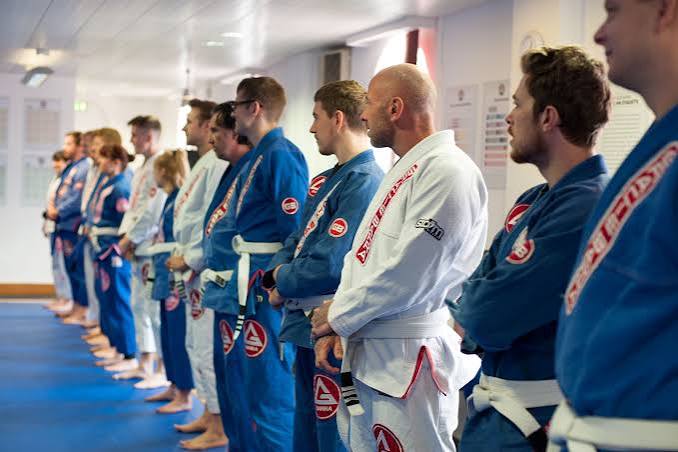
Starting a martial art can feel exciting and a little uncertain, especially when you have never stepped onto a Brazilian Jiu-Jitsu mat before. If you have been searching for brazilian jiu jitsu near me, you may already know that BJJ is different from many other martial arts. Instead of focusing mainly on punches or kicks, Brazilian Jiu-Jitsu teaches students how to control an opponent through positioning, leverage, balance, and carefully practiced grappling techniques. At Martial Arts Research Academy, learning should be approachable, structured, and focused on steady progress. Your first class is not about proving how strong or athletic you are. It is about learning the basic training environment, meeting instructors and classmates, understanding mat etiquette, and becoming comfortable with the movements. Beginners often worry that they need to be fit, flexible, or experienced before joining a BJJ academy, but quality beginner classes are designed to introduce the fundamentals step by step. You can expect instruction that explains why a technique works, demonstrations that make movements easier to understand, and controlled practice with a training partner. The first session may also introduce important concepts such as distance, posture, base, grips, positional control, and submissions in an age-appropriate and carefully supervised training setting. Before choosing a local academy, it is useful to consider instructor experience, class structure, cleanliness, safety practices, and whether the school has a welcoming environment for beginners. A good Brazilian Jiu-Jitsu school should make new students feel comfortable asking questions and learning at their own pace.
Getting Ready for Your First Class
For your first Brazilian Jiu-Jitsu class, simple preparation can make the experience much easier. Wear comfortable athletic clothing that allows you to move freely, and check with the academy about its clothing requirements before attending. Many traditional BJJ classes use a gi, which is a durable martial arts uniform, while no-gi classes generally use athletic clothing designed for grappling. Your academy may also have specific rules about what can be worn on the mat, so following its instructions is important. Arrive early enough to complete any registration forms, meet the instructor, and learn basic academy rules without feeling rushed. Personal hygiene is especially important in grappling sports because students train in close contact. Clean training clothes, trimmed fingernails, and good general hygiene help create a more respectful environment for everyone. If you have questions about what to bring or how the class works, asking the instructor before training is completely normal. You do not need to memorize Brazilian Jiu-Jitsu terminology before your first session. Your instructor will introduce terms naturally as you learn. The most important preparation is having the right mindset. A beginner may struggle with movements that seem simple when watching them, and that is normal. BJJ involves coordination, timing, body positioning, and problem-solving, so learning takes repetition. Rather than expecting yourself to perform every technique perfectly, focus on listening carefully and understanding one concept at a time. This approach can make your first experience with BJJ training much more enjoyable.
What Happens When Class Begins
A beginner Brazilian Jiu-Jitsu class usually starts with an introduction, warm-up, or movement exercises. The exact structure depends on the academy, but many classes include movements that prepare the body for grappling and help students become familiar with basic positions. Your instructor may then demonstrate a technique and explain the purpose behind it. For example, you might learn a fundamental position, a method for maintaining control, or a simple way to improve your position while staying balanced. The instructor will usually break the technique into smaller steps before allowing students to practice it with a partner. This teaching method helps beginners understand the movement without becoming overwhelmed. You may hear terms such as guard, mount, side control, sweep, escape, or submission, but you do not need to understand every term immediately. Brazilian Jiu-Jitsu has a large vocabulary, and students gradually become familiar with it through regular practice. During partner training, your goal is to practice the technique correctly rather than move as quickly or forcefully as possible. Good BJJ instruction emphasizes control and communication. If something feels uncomfortable or you do not understand an instruction, tell your partner or instructor. Respectful communication is an important part of martial arts training. A beginner-friendly academy should provide clear guidance and appropriate supervision, particularly when students are learning new grappling movements for the first time. This structure allows students to build confidence while developing practical skills.
Learning the Fundamentals of Brazilian Jiu-Jitsu
The fundamentals are the foundation of every Brazilian Jiu-Jitsu journey. Beginners commonly spend significant time learning how to maintain balance, control space, escape difficult positions, improve positioning, and use leverage instead of relying only on strength. This is one reason BJJ can appeal to people with different athletic backgrounds. Effective technique depends on timing, body mechanics, and decision-making as much as physical power. Your first class may introduce only a few basic movements, but those movements can become building blocks for more advanced techniques later. Repetition is especially important because grappling skills become easier to perform when students understand both the movement and the situation in which it should be used. An experienced instructor will help explain common mistakes and provide corrections that make the technique safer and more effective. At Martial Arts Research Academy, an educational approach to martial arts can help students understand not just what to do, but why a particular position or movement matters. BJJ also develops problem-solving skills because students must respond to changing positions rather than follow one fixed sequence every time. As you continue training, you will begin recognizing patterns and understanding how one movement can create an opportunity for another. This gradual learning process is a major part of the appeal of Brazilian Jiu-Jitsu. Instead of expecting immediate mastery, beginners can measure progress by small improvements in technique, understanding, confidence, and consistency.
Rolling and Training With Partners
One part of BJJ that beginners often wonder about is rolling, which is a controlled form of live grappling practice. The exact timing and intensity of rolling depends on the class, the academy, and the student’s experience. Some beginner classes may introduce positional drills before live practice, while others may allow carefully supervised rolling after students understand basic techniques. Rolling is not supposed to be a competition between two people trying to prove who is stronger. It is a learning exercise where students practice responding to realistic movement while maintaining control and respecting their training partner. Beginners should listen to their instructors and communicate clearly with partners throughout training. You may find that a technique that seemed easy during a demonstration becomes harder when your partner is moving, and that is an expected part of learning. BJJ teaches students to remain calm, think about position, and make decisions under pressure. A good training partner will help you learn rather than intentionally overwhelm you. This is also why choosing the right academy matters when looking for brazilian jiu jitsu near me. A supportive training culture can make a significant difference in a beginner’s experience. Look for instructors who explain techniques clearly, encourage respectful behavior, and create an environment where students can learn without unnecessary pressure. Over time, controlled training can help you develop better movement, awareness, timing, and technical confidence.
How to Choose the Right BJJ Academy
Finding the right academy is an important step after deciding to try Brazilian Jiu-Jitsu. When comparing results for brazilian jiu jitsu near me, do more than choose the closest location. Research the academy’s instructors, class schedule, beginner programs, training environment, and approach to student safety. If possible, attend an introductory class or speak with an instructor before committing to regular training. Ask whether beginners have a dedicated class, how new students are introduced to sparring, and what equipment or clothing is required. Pay attention to the overall atmosphere. Students should treat one another with respect, and instructors should be willing to explain techniques and answer reasonable questions. Clean training areas and sensible hygiene practices are also important because BJJ involves frequent physical contact. A strong martial arts academy should balance discipline with encouragement and provide a clear path for students who want to develop their skills over time. Martial Arts Research Academy can be a useful resource for people who want to learn more about martial arts training, techniques, and the principles behind different disciplines. Whether your goal is to learn practical grappling skills, develop discipline, improve coordination, or simply explore a new martial art, Brazilian Jiu-Jitsu can provide a structured learning experience. Your first class may feel unfamiliar, but that feeling usually becomes easier as you learn the basic movements and meet your training partners. You do not need to arrive as an expert. You simply need to be ready to listen, practice, respect the people around you, and keep learning.
Conclusion
Your first Brazilian Jiu-Jitsu class is an introduction to a skill-based martial art built around technique, leverage, control, and continuous learning. Knowing what to expect can remove much of the uncertainty that comes with trying something new. From preparing for class and learning fundamental positions to practicing with partners and exploring controlled rolling, each part of training serves a purpose. If you are searching for brazilian jiu jitsu near me, take time to find an academy that values safety, respectful training, knowledgeable instruction, and steady development. With the right environment and a patient mindset, your first class can become the beginning of a rewarding Brazilian Jiu-Jitsu journey.
