
High-temperature operations can destroy equipment in hours. One weak component, and you’re looking at downtime, safety risks, and replacement costs that can add up fast.
Standard hoses fail when temperatures climb. Rubber cracks. Plastic melts. Your operation stops.
Stainless steel hoses handle what other materials cannot. They work in extreme conditions that would turn conventional hoses into liabilities.
The Real Cost of Using Wrong Hoses
Picture this: a chemical plant running at peak capacity. Temperatures push past safe limits for standard hoses. Within weeks, the hose begins degrading. Cracks appear. Leaks start small but grow stadily.
The plant shuts down for emergency repairs. Production halts. Deadlines get missed. Clients start calling.
This happens more often than most operations managers want to admit. Stainless steel hoses prevent these scenarios. They’re built for extreme heat, and they stay reliable when everything else fails.
Think about the applications in your facility. Steam lines. Hot oil transfer. Chemical processing at elevated temperatures. Each one demands materials that won’t buckle under pressure and heat combined.
What Makes Stainless Steel Different
The material itself handles thermal stress differently. Steel expands and contracts without losing structural integrity. Other materials become brittle or soft. Steel maintains its properties.
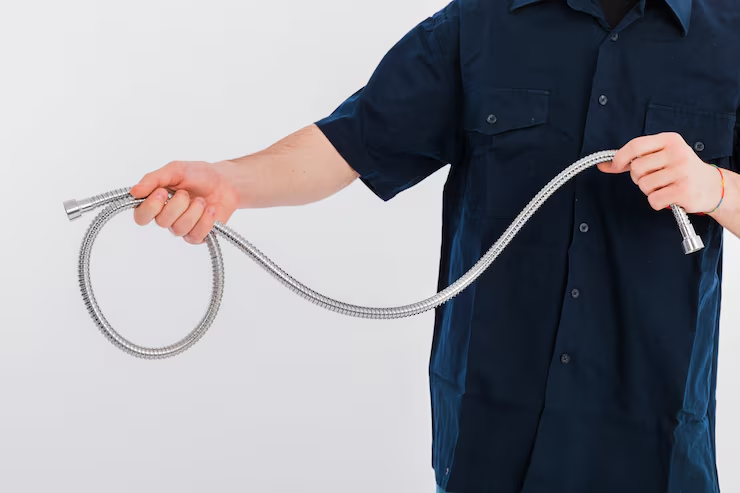
A corrugated stainless steel hose flexes without weakening. The corrugations allow movement while the metal resists temperature damage. You get flexibility and durability in one solution.
The braided outer layer adds another protection level. It contains pressure spikes and prevents external damage. Two layers working together to keep your operation running.
Some operations try mixing materials. Perhaps a rubber hose with heat-resistant coatings. Maybe reinforced plastic rated for higher temperatures. These compromises work until they don’t.
When failure happens at high temperatures, the consequences multiply. Hot fluids under pressure don’t leak quietly. They spray. They burn. They create hazards that put workers at risk and equipment in danger.
Where Standard Solutions Fall Short
Food processing facilities face unique challenges. Cleaning cycles involve hot water and steam. Sanitisation requires high temperatures. Regular hoses degrade from repeated thermal cycling.
Stainless steel handles the temperature swings. It also meets hygiene standards that other materials struggle with. No contamination. No particle shedding. Just clean, reliable performance.
Automotive manufacturing presents similar demands. Paint curing ovens. Welding stations. Heat treatment processes. Each area needs hoses that tolerate sustained high temperatures without maintenance headaches.
Construction equipment operates in harsh conditions. Hot hydraulic fluid circulates through systems. Summer heat adds external temperature stress. Components that can’t handle both internal and external heat become failure points.
The Hidden Dangers Nobody Discusses
Temperature ratings on hoses often assume ideal conditions. Steady temperature. No pressure fluctuations. Clean fluids. Controlled environment.
Real operations differ. Temperatures spike. Pressure varies. Contaminants enter systems. Environmental conditions change by the hour.
A hose rated for moderate temperatures might work in a lab. In your facility, it becomes a countdown to failure. You just don’t know when the timer started.
Stainless steel removes that uncertainty. The material tolerates temperature variations that would destroy alternatives. Your operation doesn’t stop for hose replacements every few months.
Making the Right Choice for Your Operation
Start by mapping your highest-risk areas. Where do temperatures peak? Which processes combine heat with pressure or corrosive materials? Those spots need stainless steel first.
Look at your maintenance logs. How often do hoses fail? What’s the pattern? If high-temperature areas show frequent replacements, you’ve found your answer.
Consider the fluid being transferred. Some chemicals react with rubber or plastic at elevated temperatures. They don’t react with stainless steel. The material stays inert even when hot, aggressive fluids flow through it.
Your safety manager already knows the risks. Ask about incidents involving hose failures. Even near-misses tell you something. If high temperatures played a role, stainless steel prevents repeats.
Beyond Just Temperature Resistance
Stainless steel hoses deliver benefits that extend past heat tolerance. They resist corrosion from chemicals and environmental exposure. Salt spray, industrial cleaners, acidic or alkaline fluids all encounter a surface that won’t degrade.
The longevity changes your maintenance planning. Instead of scheduled replacements every season, you install once and monitor. Inspection intervals stretch. Labour costs drop. Your team focuses on actual problems, not preventive hose swaps.
Pressure ratings matter too. High temperatures often mean high pressures. Stainless steel handles both simultaneously. No derating required. The specifications you see are the specifications you get.
What Procurement Needs to Know
Initial cost comparisons can mislead. A rubber hose costs less upfront. Replace it three times a year, and the math shifts. Stainless steel purchased once often costs less than repeated, cheap replacements.
Downtime calculations tell the real story. Every hour of production lost to a failed hose costs more than any hose on the market. Preventing those failures pays for itself immediately.
Supplier relationships matter here. You need manufacturers who understand high-temperature applications. Generic industrial hoses don’t work. You want products designed specifically for thermal stress and matched to your operational requirements.
Compliance with safety standards isn’t optional. Stainless steel hoses typically meet or exceed industry requirements for high-temperature service. Documentation comes standard. Audits become simpler.
Your Next Step
Review your current hose inventory. Identify every application running above standard temperature ranges. Calculate what failures cost in downtime and emergency repairs.
Compare that to upgrading critical areas to stainless steel. The numbers usually speak clearly.
Your operation depends on components that won’t quit when conditions get tough. High temperatures separate adequate solutions from essential ones. Stainless steel hoses belong in the essential category.
Don’t wait for the next failure to prove it.
