
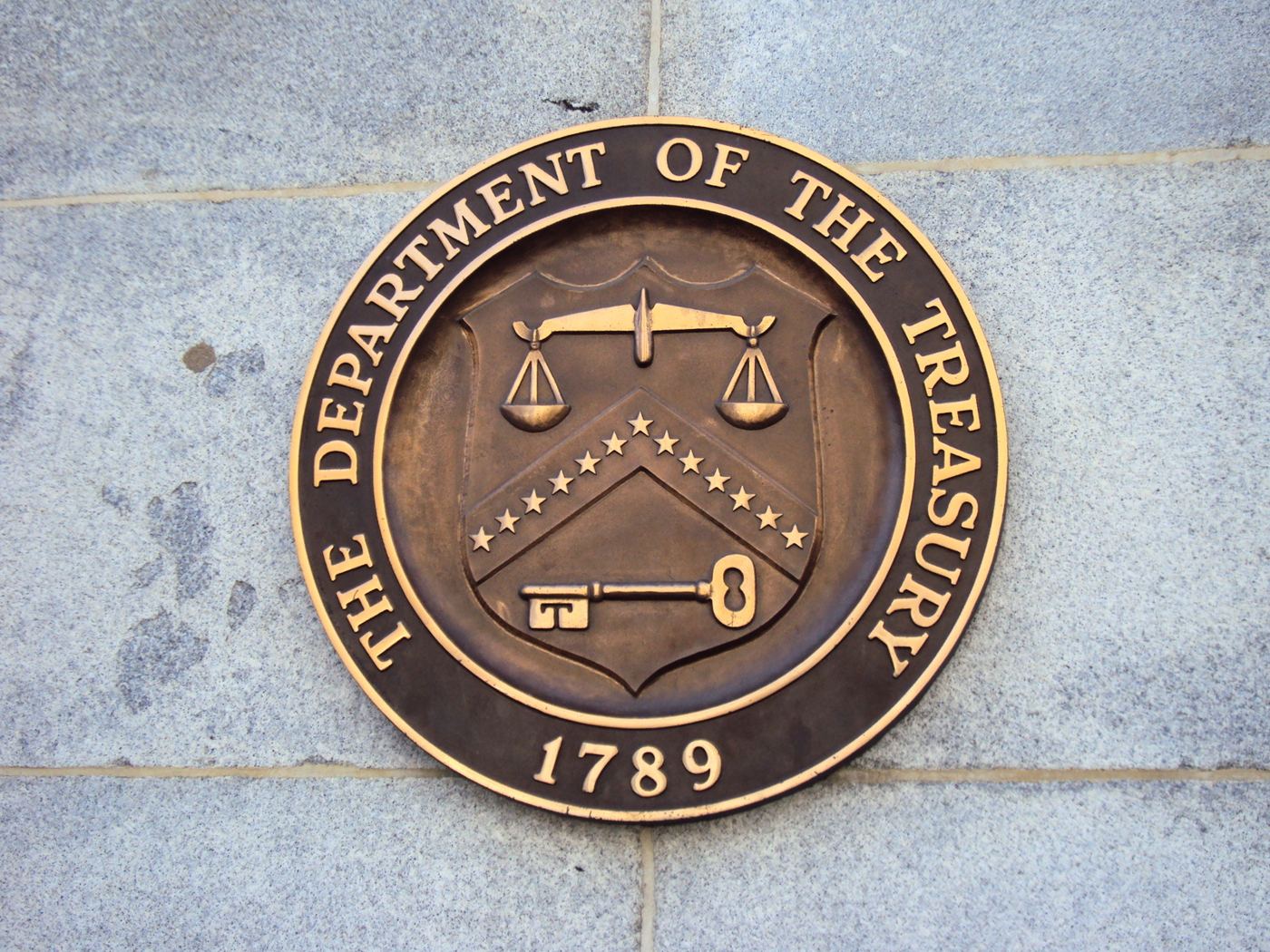
United States Treasury Secretary Scott Bessent is pitching regulated dollar stablecoins, and possibly tokenised equities, as a major new source of demand for short-term United States government debt, Crypto Briefing reported on November 27. Bessent argues that stablecoins could become a leading buyer of Treasury bills, while tokenised stocks could draw foreign buyers into American markets. The mechanics run through the GENIUS Act, signed on July 18, 2025, which requires regulated stablecoin issuers to back tokens with reserves held largely in Treasury bills of 93 days or less. Bessent has made the same argument before, including at Ripple’s Swell conference in October, where he said stablecoins would strengthen dollar dominance and become an important funding source for the Treasury.
What the Evidence Shows
The numbers behind the pitch are large. Standard Chartered estimates that if the stablecoin market reaches $2 trillion by the end of 2028, it could generate $800 billion to $1 trillion in new demand for Treasury bills. Tether, the largest issuer, held about $132.4 billion in Treasury bills as of the third quarter of 2026, making it the nineteenth-largest holder of American government debt, bigger than Germany. But there is a catch: the stablecoin market is shrinking, falling from $309.7 billion in May to $288.9 billion this month. When holders redeem tokens, issuers sell Treasury bills to pay them, so the new buyer Bessent wants is getting smaller for now. Reporting and analysis from sources such as Bank for International Settlements track the same developments, and specialists following Bessent’s stablecoin Treasury pitch say the direction is now consistent across independent lines of evidence.
The Wider Context
The wider context is a sector being absorbed, piece by piece, into the regulated financial mainstream. Work on Bessent’s stablecoin Treasury pitch now happens under licensing regimes, audit expectations and consumer-protection rules that would have been unrecognisable a few years ago. Long-standing participants are divided between relief at the legitimacy and regret for the experiment’s wilder freedoms.
What Happens Next
What happens next for Bessent’s stablecoin Treasury pitch will be shaped by the interaction of regulation, market appetite and the sector’s own capacity for self-inflicted wounds. The infrastructure is more professional than it was, the rules are clearer, and the remaining question is whether growth can stay boring. Participants with the longest memories say boring would be the real milestone. You can follow related developments in our coverage of crypto.
There is a practical lesson in all of this for readers deciding what to do today. Start with the verified facts, be wary of anyone promising certainty, and prefer reversible steps while the evidence is still developing. Circumstances differ by country, income and personal situation, so general guidance should always be weighed against your own context before you act on it in any significant or lasting way.
