
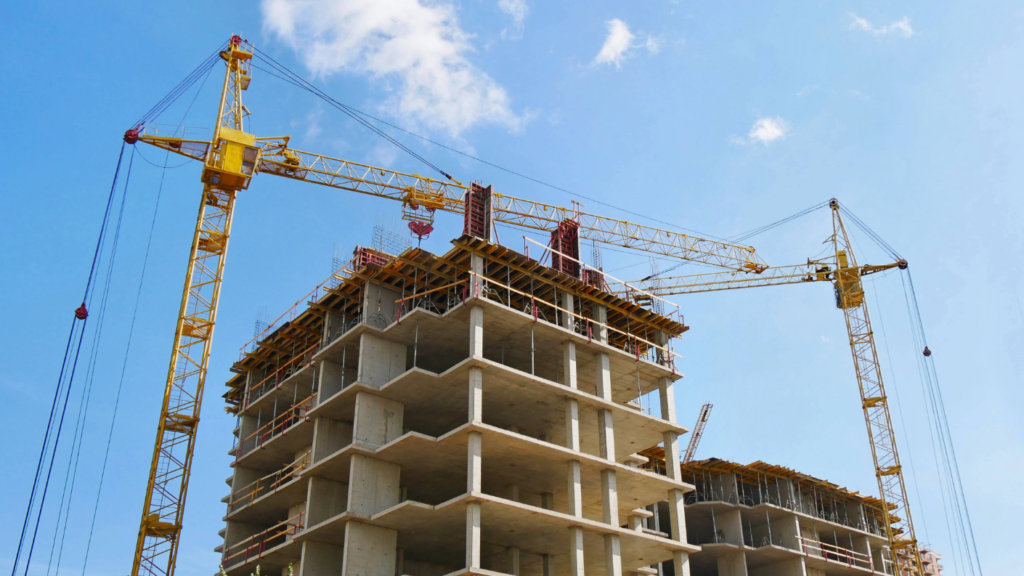
Not every commercial project can be completed with a renovation or tenant improvement. In many cases, businesses require an entirely new building designed from the ground up to meet their operational needs, support future growth, and comply with modern building codes. These projects, often referred to as full-build commercial construction projects, involve every stage of the construction process—from site preparation and design to foundation work, structural construction, identifying commercial construction costs per square foot, and final occupancy.
Whether you’re developing a new office, warehouse, healthcare facility, or retail centre, understanding which projects require a full build can help you determine the best approach for your investment.
Below are some of the most common types of commercial construction projects that require full builds.
Office Buildings
Many businesses eventually outgrow their existing office space or require a facility specifically designed around their operations.
A full-build office project allows organizations to customize every aspect of the building, including:
- Floor plans
- Meeting rooms
- Collaborative workspaces
- Executive offices
- Reception areas
- Employee amenities
- Parking facilities
- Building technology
Building from the ground up also provides greater flexibility to incorporate sustainable design, smart building systems, and future expansion opportunities.
Industrial Facilities
Industrial buildings are among the most common types of commercial full-build projects.
Because manufacturing, warehousing, and logistics operations often require specialized layouts and equipment, renovating an existing structure may not be practical.
Industrial full-build projects may include:
- Manufacturing plants
- Distribution centres
- Warehouses
- Fabrication facilities
- Processing plants
- Cold storage facilities
- Logistics hubs
These buildings often require specialized structural systems, large clear spans, reinforced concrete floors, loading docks, and heavy mechanical infrastructure.
Retail Developments
Retail businesses frequently choose new construction when expanding into growing communities or developing commercial plazas.
A full-build retail project provides complete control over customer experience, traffic flow, and branding.
Examples include:
- Shopping plazas
- Stand-alone retail stores
- Grocery stores
- Automotive dealerships
- Furniture showrooms
- Big-box retail locations
Ground-up construction allows developers to optimize parking, landscaping, signage, pedestrian access, and future tenant flexibility.
Medical and Healthcare Facilities
Healthcare buildings have highly specialized design and construction requirements that often make new construction the preferred option.
Examples include:
- Medical clinics
- Dental offices
- Outpatient centres
- Diagnostic imaging facilities
- Rehabilitation centres
- Veterinary hospitals
- Specialty healthcare practices
These projects typically require advanced mechanical systems, specialized plumbing, medical gases, infection control measures, backup power systems, and strict compliance with healthcare regulations.
A full build ensures these complex systems are fully integrated from the beginning.
Educational Facilities
Schools and educational institutions often require custom-built facilities designed around learning environments.
Commercial education projects may include:
- Private schools
- Colleges
- Training centres
- Daycare facilities
- Learning academies
- Research buildings
These buildings typically include classrooms, laboratories, administrative offices, gymnasiums, cafeterias, libraries, and outdoor recreational areas.
Ground-up construction allows institutions to create safe, accessible, and flexible learning environments that support long-term growth.
Restaurants and Hospitality Buildings
While many restaurants renovate existing spaces, certain hospitality projects are best suited for full construction.
Examples include:
- Stand-alone restaurants
- Hotels
- Event venues
- Conference centres
- Banquet halls
- Resorts
These facilities require careful coordination between kitchens, dining areas, guest accommodations, mechanical systems, and public spaces.
Building from the ground up also allows owners to establish a unique brand identity while optimizing customer flow and operational efficiency.
Mixed-Use Developments
Mixed-use developments combine multiple property types into a single project.
These buildings often include combinations of:
- Retail space
- Office space
- Residential units
- Restaurants
- Public gathering areas
- Parking structures
Because of their complexity, mixed-use developments typically require comprehensive planning and full construction from the ground up.
These projects demand close coordination between architects, engineers, contractors, and municipal planning departments.
Warehouses and Distribution Centres
The rapid growth of e-commerce has dramatically increased demand for new warehouse construction.
Modern logistics facilities often require features that older buildings cannot accommodate, including:
- High clear ceiling heights
- Large loading dock capacities
- Wide truck courts
- Automated storage systems
- Robotics integration
- Climate-controlled storage
- High-capacity electrical service
A full-build approach allows businesses to optimize warehouse efficiency while supporting future automation technologies.
Commercial Recreation Facilities
Many recreational buildings require specialized layouts that are difficult to achieve through renovation alone.
Examples include:
- Fitness centres
- Indoor sports complexes
- Recreation centres
- Climbing gyms
- Swimming facilities
- Entertainment venues
These projects often require large open-span structural systems, specialized flooring, advanced ventilation systems, and high occupancy capacities.
Purpose-built facilities can better accommodate evolving recreational needs while improving the user experience.
Automotive Facilities
Automotive businesses frequently require highly specialized buildings designed specifically for vehicle servicing and sales.
Examples include:
- Car dealerships
- Truck dealerships
- Service centres
- Collision repair facilities
- Fleet maintenance garages
These projects often incorporate:
- Service bays
- Vehicle lifts
- Wash bays
- Customer waiting areas
- Parts storage
- Showrooms
- Large overhead doors
Ground-up construction allows these operational requirements to be incorporated efficiently into the building design.
Religious and Community Buildings
Churches, cultural centres, and community facilities often require custom-designed spaces to serve diverse community needs.
These buildings may include:
- Worship spaces
- Community halls
- Classrooms
- Administrative offices
- Kitchens
- Childcare facilities
- Outdoor gathering spaces
Because these facilities often host a wide range of activities, full-build construction provides greater flexibility for long-term use.
Specialized Manufacturing Facilities
Some industries require highly controlled production environments that simply cannot be accommodated through renovation.
Examples include:
- Food processing plants
- Pharmaceutical manufacturing
- Electronics manufacturing
- Clean rooms
- Research laboratories
These buildings often require:
- Controlled air pressure
- Specialized ventilation
- Sanitary finishes
- High-capacity utilities
- Process piping
- Temperature control
Purpose-built facilities allow businesses to meet strict regulatory and operational requirements from day one.
Why Businesses Choose Full-Build Commercial Construction
Although renovations can be an excellent solution in many situations, there are several advantages to building a new commercial facility from the ground up.
Some of the biggest benefits include:
Complete Design Flexibility
Owners can customize every aspect of the building to match current operations while planning for future growth.
Greater Energy Efficiency
New buildings can incorporate modern insulation, HVAC systems, smart building technology, and energy-efficient materials that reduce long-term operating costs.
Lower Long-Term Maintenance
Because all building systems are new, maintenance and repair costs are often lower during the first several years of operation.
Easier Code Compliance
New construction is designed to meet current building codes, accessibility standards, fire safety regulations, and energy efficiency requirements from the outset.
Improved Operational Efficiency
Purpose-built facilities eliminate many of the compromises associated with adapting older buildings to modern business needs.
What to Expect During a Full-Build Project
Ground-up commercial construction typically follows several major phases:
- Site selection and feasibility analysis
- Architectural and engineering design
- Municipal approvals and permits
- Site preparation and excavation
- Foundation construction
- Structural framing
- Mechanical, electrical, and plumbing installation
- Interior finishes
- Final inspections
- Occupancy and project closeout
Each phase requires careful coordination among architects, engineers, contractors, consultants, and local authorities to ensure the project stays on schedule and within budget.
Final Thoughts
Full-build commercial construction projects provide businesses with the opportunity to create facilities that are specifically designed to support their operations, employees, and long-term growth. Whether you’re developing an office building, warehouse, healthcare facility, retail centre, or industrial plant, starting from the ground up offers unmatched flexibility, improved efficiency, and the ability to incorporate the latest construction technologies and sustainability practices.
By partnering with an experienced commercial construction contractor early in the planning process, property owners can navigate design, permitting, budgeting, and construction with confidence. While a full-build project requires a larger upfront investment than many renovations, it often delivers greater long-term value by creating a purpose-built facility that can serve your business for decades to come.
