
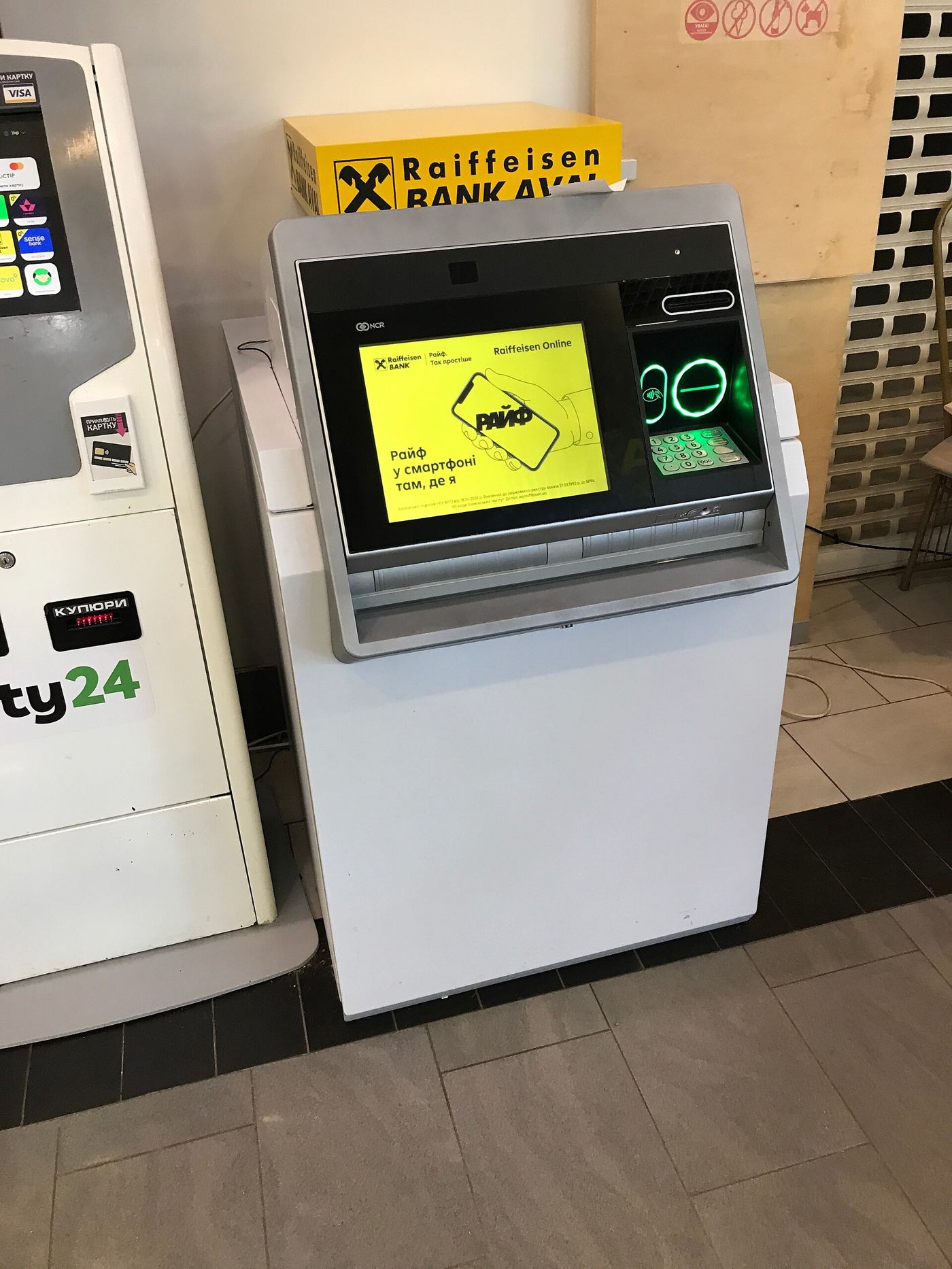
Crypto ATMs look like ordinary cash machines, but they have become one of the fastest-growing channels for fraud. The FBI’s Internet Crime Complaint Center reported 10,956 complaints about crypto kiosks in 2024, with losses of 246.7 million dollars, up 31 percent in money and 99 percent in complaints from 2023. People over 60 filed the most complaints, 2,674 of them, and lost 107 million dollars. The machines sit in shopping malls, petrol stations and convenience stores across America, tens of thousands of them, letting anyone turn cash into cryptocurrency in minutes. Total crypto fraud reached 9.3 billion dollars in 2024, up 66 percent from 2023. Arizona passed a law in 2025 to regulate the kiosks, and the US Treasury’s financial crimes unit issued a warning about them on August 4, 2025.
What the Evidence Shows
The scam follows a familiar script. A victim gets an urgent call or message from someone pretending to be police, a bank, a utility company or a relative in trouble, and is told to withdraw cash and deposit it into a crypto ATM using a QR code. The money goes straight to the scammer’s wallet and is almost never recovered. The machines appeal to criminals because the transfer is instant, irreversible and needs no bank account. New state laws now require warning screens, daily limits and, in some cases, refunds for fraud victims. The advice from police is simple: no real government agency, bank or tech company will ever ask you to pay through a crypto ATM, and any call that does is a scam. Reporting and analysis from sources such as Bank for International Settlements track the same developments, and specialists following crypto ATM scams say the direction is now consistent across independent lines of evidence.
The Wider Context
The wider context is a sector being absorbed, piece by piece, into the regulated financial mainstream. Work on crypto ATM scams now happens under licensing regimes, audit expectations and consumer-protection rules that would have been unrecognisable a few years ago. Long-standing participants are divided between relief at the legitimacy and regret for the experiment’s wilder freedoms.
What Happens Next
What happens next for crypto ATM scams will be shaped by the interaction of regulation, market appetite and the sector’s own capacity for self-inflicted wounds. The infrastructure is more professional than it was, the rules are clearer, and the remaining question is whether growth can stay boring. Participants with the longest memories say boring would be the real milestone. You can follow related developments in our coverage of crypto.
There is a practical lesson in all of this for readers deciding what to do today. Start with the verified facts, be wary of anyone promising certainty, and prefer reversible steps while the evidence is still developing. Circumstances differ by country, income and personal situation, so general guidance should always be weighed against your own context before you act on it in any significant or lasting way.
