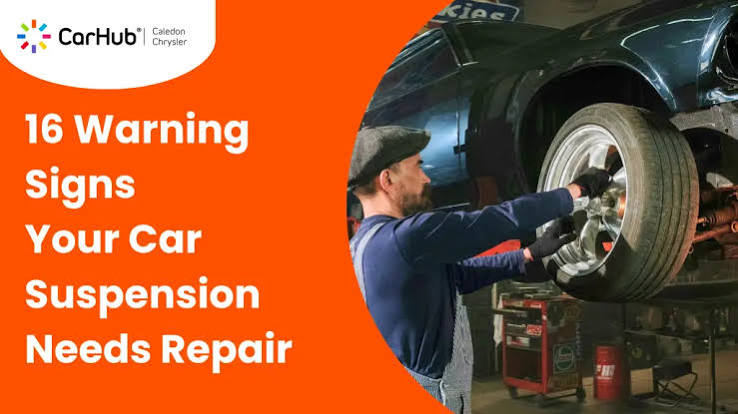
Your suspension does a lot of quiet work. It keeps your tyres planted on the road, soaks up bumps and potholes, and helps the car stay steady when you brake or take a corner. Because it wears out slowly, most drivers get used to a worsening ride without realizing anything is wrong.
By the time the problem feels obvious, other parts are often already damaged. Here are the signs to watch for, and a practical guide on what to replace first.
1. The Ride Feels Bouncy or Floaty
Drive over a speed bump. A healthy suspension settles almost immediately. If your car keeps bouncing a few times afterward, or feels like it’s floating on the road, the shock absorbers are probably worn out.
A quick home test: push down hard on one corner of the car and let go. If it bounces more than once or twice before settling, that corner’s shock absorber is tired.
2. Clunking, Knocking, or Rattling Noises
Strange noises over bumps are one of the clearest signs of trouble. A dull clunk often points to worn bushings or a loose mounting. A sharper knocking sound when going over uneven roads can mean worn ball joints, stabilizer links, or a damaged strut mount.
Pay attention to when it happens. Noise when turning the steering wheel suggests different parts than noise when driving straight over a bump, and that detail helps a mechanic find the cause faster.
3. The Car Dives or Squats
When you brake, does the front of the car nose-dive more than it used to? When you accelerate, does the rear sink down? Worn shocks and struts can’t control the weight shifting around the car, so it moves more than it should.
This isn’t just about comfort. A car that dives under braking can take longer to stop, because the tyres lose some of their grip.
4. Uneven or Rapid Tyre Wear
Look closely at your tyres. Patchy wear, bald spots, or edges that wear faster than the centre can all point to a suspension problem. When shocks or other suspension parts are worn, the tyre doesn’t stay in even contact with the road, and the tread wears unevenly.
Misalignment can cause similar wear, so it’s worth having both the alignment and the suspension checked together.
5. The Car Pulls to One Side or Wanders
If you have to keep correcting the steering wheel to stay in your lane, something in the steering or suspension may be loose or worn. Worn tie rod ends, ball joints, and control arm bushings can all let the wheels move slightly out of position.
Loose steering is a safety risk, especially on the highway, so don’t leave it for later.
6. The Car Leans Heavily in Corners
If the body rolls noticeably when you take a turn, or the car feels unsettled on roundabouts and highway ramps, your suspension isn’t keeping the body under control. Worn shocks, springs, or stabilizer parts are the usual suspects.
7. Leaking Fluid or Visible Damage
Take a look at your shock absorbers. If you see oily fluid running down the body of the shock, it has likely failed, because the seals are no longer holding the hydraulic fluid. Also look for cracked rubber boots, rusted springs, or a car that sits lower on one side.
What to Replace First
Suspension is a system, so one worn part often affects the others. But if you need to prioritize, this order makes sense for most cars.
1. Shock absorbers and struts. These wear out the most and affect ride, braking, and tyre life. Replace them in pairs, either both front or both rear, so the car stays balanced.
2. Ball joints and tie rod ends. These connect your wheels to the steering and suspension. If they fail, you can lose steering control, so they are a high-priority safety item.
3. Bushings and stabilizer links. These small rubber and metal parts are cheap, but they cause a lot of clunks and loose handling when worn. They’re often replaced together with the larger components.
4. Coil springs. Springs last a long time, but they can sag or crack. Replace them when the car sits uneven or when a spring is visibly damaged.
5. Alignment. After replacing major suspension parts, always get a wheel alignment. Otherwise, you risk wearing out your new parts and your tyres early.
If you’re unsure which part is the culprit, ask a workshop to do a full suspension inspection. It’s much cheaper than replacing the wrong part.
Why Malaysian Roads Make It Worse
Potholes after heavy rain, uneven road patches, speed bumps, and stop-and-go city traffic all put extra stress on suspension parts. Drivers in cities like Kuala Lumpur and Johor Bahru often find their shocks and bushings wear out sooner than the manual suggests. Heavy loads and regular short trips add up too.
That makes regular inspection more important. A quick check during every service can catch problems while they’re still small and affordable.
How to Make Your Suspension Last Longer
- Slow down for speed bumps and potholes whenever you can
- Avoid overloading the car
- Keep your tyres inflated to the recommended pressure
- Get the alignment checked once a year or after hitting a hard pothole
- Don’t ignore small noises, because they rarely fix themselves
Final Thoughts
A failing suspension rarely breaks all at once. It sends warning signs: a bouncy ride, clunks over bumps, uneven tyre wear, a car that pulls or leans. Listen to those signs, and replace the worn parts in the right order, and you’ll protect both your safety and your wallet.
When it’s time to replace parts, make sure you choose ones that match your car’s make, model, and year. You can explore the full suspension system range at Ignito Parts to find shock absorbers, ball joints, tie rod ends, and more.