
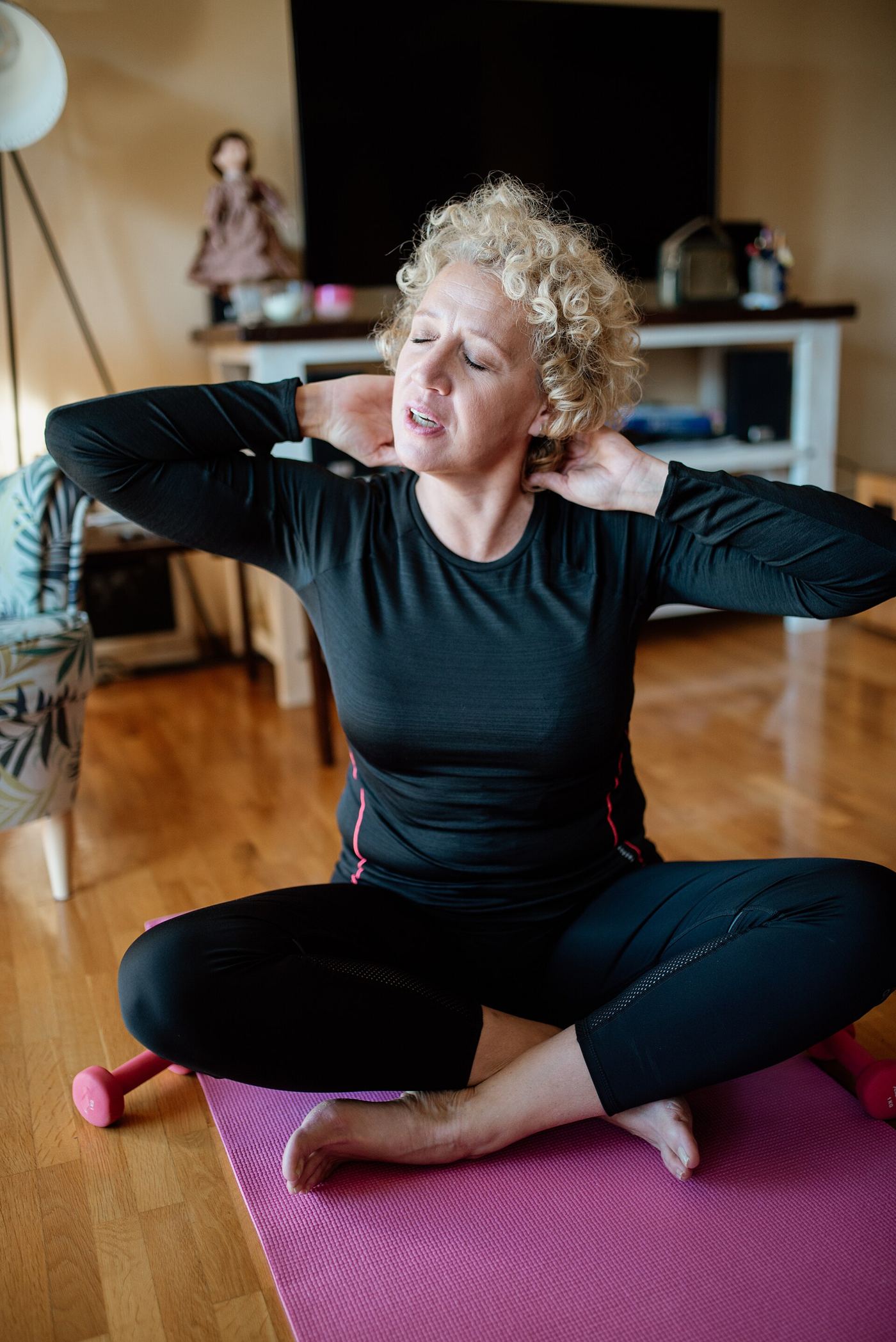
Stepping outside within an hour of waking can steady the body clock, sleep researchers say, because bright morning light is the strongest signal the brain receives about the time of day. Daylight tells the internal clock to suppress the sleep hormone melatonin and to prepare the body for activity, which helps people feel alert in the morning and sleepy at a regular time in the evening. Researchers have found that people who spend even a few minutes outdoors soon after waking tend to fall asleep more easily at night and to wake feeling more refreshed. The effect appears to work even on cloudy days, since outdoor light is far brighter than typical indoor lighting. Experts suggest that the habit is especially valuable in winter, when daylight hours are short and many people spend the whole morning indoors. Experts say the habit costs nothing and can be combined with a short walk, a stretch or a cup of tea outside.
What the Evidence Shows
Psychologists explain that a steady body clock supports more than sleep, influencing mood, appetite and concentration throughout the day. Studies comparing people who get regular morning light with those who stay inside have found the outdoor group reports steadier energy and less daytime sleepiness. Therapists sometimes recommend morning light as part of treatment for low mood in winter, alongside exercise and social contact. They suggest simple ways to build the habit, such as taking a short walk after breakfast, standing outside while drinking morning tea, or walking part of the journey to work. Experts caution that the habit is not a cure for persistent sleep problems or low mood, and that anyone struggling for weeks should seek professional advice. For most people, though, a few minutes outside each morning is a simple step towards steadier days. They add that people who work night shifts can benefit too, by seeking bright light at the start of their waking hours. Reporting and analysis from sources such as Nature Human Behaviour track the same developments, and specialists following the morning light habit say the direction is now consistent across independent lines of evidence.
The Wider Context
The wider context is a discipline rebuilding confidence through replication and pre-registration, and findings on the morning light habit are being reported with their effect sizes and limits attached. That honesty can make results sound smaller than the headlines of a decade ago, but the effects that survive are the ones practitioners can responsibly build on.
What Happens Next
What happens next in research on the morning light habit is a turn toward real-world trials: longer, larger and conducted in the schools, workplaces and clinics where the findings are meant to apply. Psychologists are also studying individual differences more seriously, because average effects conceal the people for whom an approach works powerfully and those it leaves cold. Both shifts make the science slower and more useful. You can follow related developments in our coverage of psychology.
None of this will be settled by a single announcement, study or product launch. The pattern to watch is accumulation: independent confirmations, honest reporting of failures and steady improvement in the underlying numbers. Readers who follow those signals, rather than the loudest claim of the week, will understand this subject better than most of the commentary surrounding it suggests is possible.
