
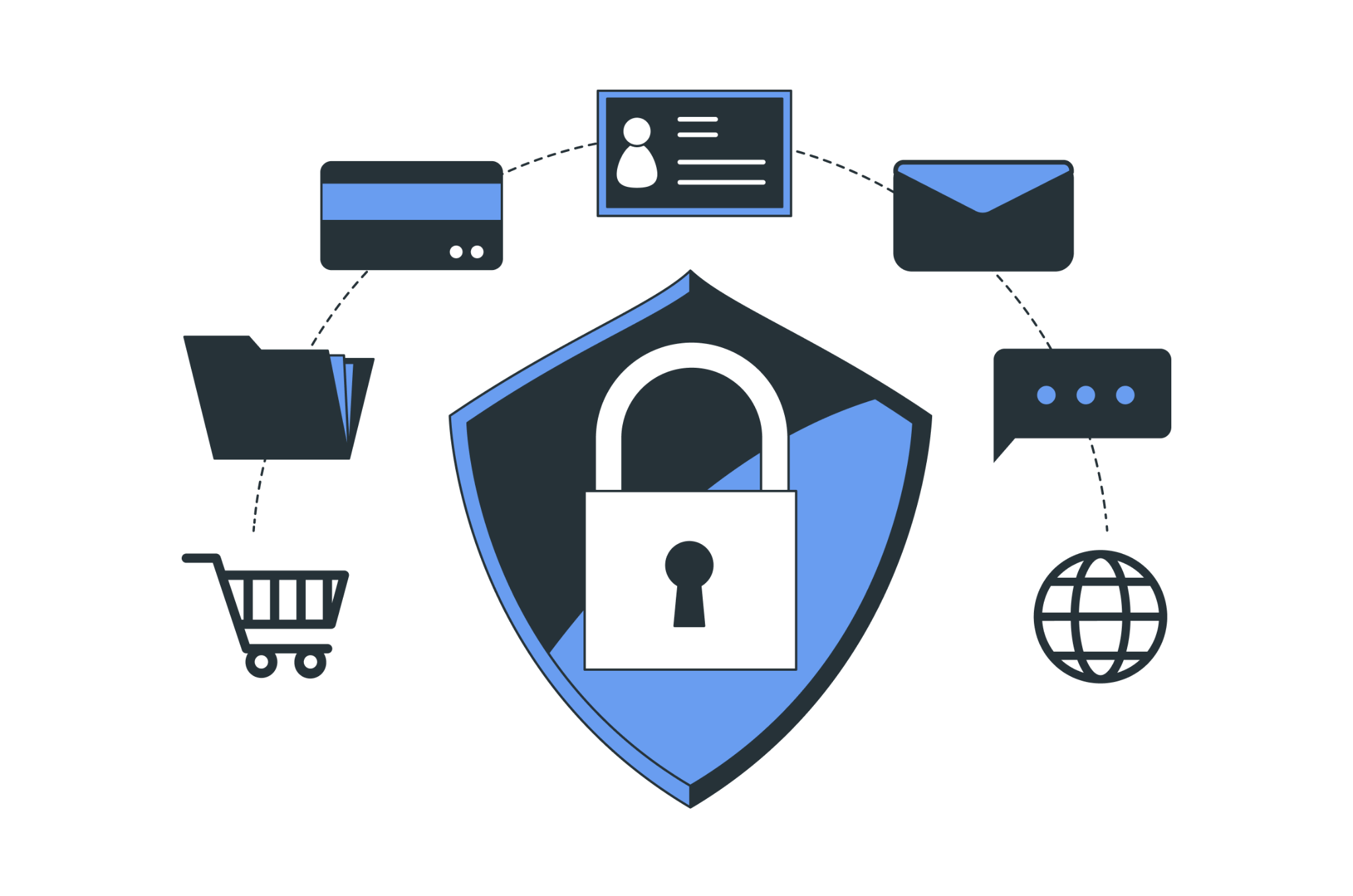
Mobile applications play a central role in how businesses operate and engage with users. From banking and e-commerce to entertainment and education, apps manage sensitive data, financial transactions, and personal information every day. This increasing reliance has made security a top priority for organizations across industries.
Any vulnerability can expose critical data and disrupt operations. Without strong mobile app security solutions, businesses face serious risks, including data breaches, financial losses, regulatory issues, and long-term damage to their reputation and customer trust. Ensuring robust protection is essential for sustainable growth.
Why Mobile App Security Matters More Than Ever
Mobile threats are becoming more advanced, targeting both users and organizations. Cybercriminals exploit vulnerabilities in apps to steal data, inject malicious code, or bypass authentication systems. As businesses expand globally, the attack surface also grows, making it essential to adopt robust mobile application security solutions that can protect applications across devices and platforms.
A secure app not only protects data but also builds trust with users. When customers feel confident that their information is safe, they are more likely to engage and remain loyal. This is why security should be integrated into every stage of app development and deployment.
Common Threats to Mobile Applications
Understanding potential risks is the first step toward building a secure system. Some of the most common threats include:
- Reverse engineering, where attackers analyze app code to find vulnerabilities
- Malware injection that compromises app functionality
- Data leakage caused by insecure storage or transmission
- Unauthorized access due to weak authentication systems
- Man-in-the-middle attacks that intercept communication
To combat these threats effectively, organizations must implement advanced mobile application security solutions that go beyond traditional security measures.
Key Strategies for Safer Mobile Apps
1. Code Protection and Obfuscation
One of the most effective ways to secure an application is by protecting its source code. Code obfuscation makes it difficult for attackers to understand and reverse engineer the app. This technique transforms readable code into a complex format without affecting functionality.
By integrating mobile application security solutions that include obfuscation and anti-tampering features, developers can significantly reduce the risk of intellectual property theft and unauthorized modifications.
2. Strong Authentication Mechanisms
Authentication is a critical layer of defense. Weak login systems can easily be exploited, leading to unauthorized access. Multi-factor authentication, biometric verification, and secure session management help strengthen this layer.
Modern mobile application security solutions ensure that only authorized users can access sensitive data, reducing the chances of breaches.
3. Secure Data Storage and Transmission
Sensitive data must never be stored or transmitted in plain text. Encryption plays a vital role in protecting information both at rest and in transit. Secure APIs and protocols should be used to prevent interception.
Implementing mobile application security solutions that focus on encryption and secure communication ensures that data remains protected even if intercepted.
4. Runtime Application Self-Protection
Runtime protection adds a dynamic layer of security that works while the app is running. It detects suspicious behavior such as tampering, debugging attempts, or malware activity in real time.
With advanced mobile app security solutions, applications can respond instantly to threats by blocking access or shutting down compromised sessions.
5. App Wrapping for Enhanced Security
App wrapping is a powerful approach that adds a security layer around an application without altering its core code. It enables features like data encryption, policy enforcement, and access control.
Businesses adopting mobile application security solutions with app wrapping can secure apps quickly and efficiently, especially in enterprise environments where multiple applications need protection.
6. Regular Security Testing and Updates
Security is not a one-time task. Continuous testing and updates are essential to stay ahead of evolving threats. Vulnerability assessments, penetration testing, and code reviews help identify weaknesses before attackers do.
Reliable mobile application security solutions include ongoing monitoring and updates to ensure that apps remain protected over time.
7. Device and Network Integrity Checks
Applications should verify the integrity of the device and the network they operate on. Rooted or jailbroken devices pose higher risks, as they can bypass security controls.
By incorporating mobile application security solutions that perform integrity checks, businesses can restrict access from compromised environments and maintain a secure ecosystem.
The Role of Seamless Integration
Security should not slow down innovation. One of the biggest challenges for businesses is integrating security without disrupting the development process. Modern tools are designed to integrate seamlessly into existing workflows, enabling developers to add protection without extensive coding changes.
This approach allows organizations to implement mobile application security solutions efficiently while maintaining speed and agility in app development.
Benefits of Implementing Robust Security Solutions
Adopting a comprehensive security strategy offers several advantages:
- Protection of sensitive user data and business information
- Compliance with industry regulations and standards
- Increased user trust and brand credibility
- Reduced risk of financial and reputational damage
- Faster deployment of secure applications
When businesses invest in mobile application security solutions, they are not just preventing threats but also enabling growth and innovation.
Future Trends in Mobile App Security
As technology evolves, so do security challenges. Artificial intelligence and machine learning are being used to detect threats more accurately. Cloud-based security solutions are becoming more popular due to their scalability and flexibility.
Another emerging trend is zero-trust security, where every access request is verified regardless of its origin. These advancements are shaping the future of mobile application security solutions, making them more intelligent and adaptive.
Conclusion
Mobile applications drive modern business success, but also introduce serious security risks. Protecting them requires a multi-layered approach using advanced technologies, continuous monitoring, and proactive strategies. By adopting the right mobile app security solutions, businesses can secure applications, safeguard user data, and build lasting trust. As digital threats continue to evolve, investing in strong security measures becomes essential for sustainable growth and reliable user experiences.
Businesses today need reliable, scalable, and future-ready security solutions. Doverunner delivers advanced mobile and content security solutions designed to protect applications across industries. Their services include app shielding, runtime protection, DRM integration, and secure app wrapping for enterprise environments. With seamless integration and scalable technologies, they help businesses safeguard sensitive data, prevent threats, and enable secure digital experiences across mobile platforms, streaming services, and modern application ecosystems.