
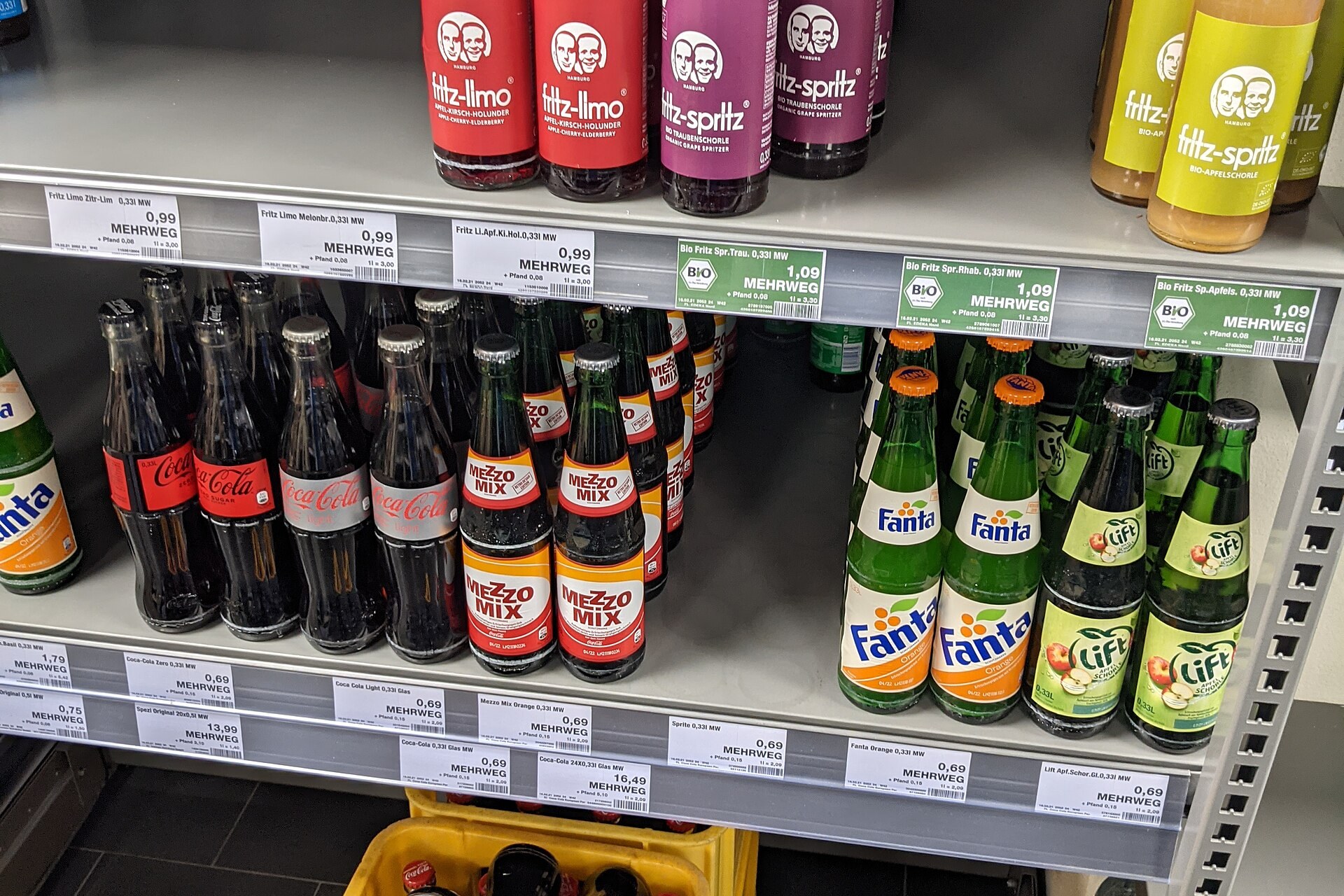
Food labels are where scientific arguments become household decisions, which is why a definitional dispute in nutrition journals deserves public attention this week. A new study reports that nine in ten papers disputing the definition of ultra-processed foods have ties to the food industry, and that definition is one of the candidates for a bigger role on the packaging in your kitchen.
The definition belongs to the NOVA classification, which groups foods by processing rather than nutrients. Ultra-processed products, group four, are industrial formulations: soft drinks, sweets, packaged snacks, instant noodles, processed meats and many ready meals. Supporters say the category captures how these products are engineered and marketed. Critics say it is imprecise, sweeping some acceptable foods in with genuinely poor ones. Our our guide to the early ovarian vaccine trial has covered how contested definitions get resolved in medicine; food is having its version of that argument now.
What the new study adds
Rather than test the definition, the researchers tested the debate. They collected the published papers challenging the ultra-processed concept and audited their disclosures, finding industry funding, employment or advisory ties in roughly ninety percent. Work at institutions such as the US Food and Drug Administration has long documented how sponsorship correlates with conclusions in nutrition research, and this audit gives that general concern a specific and quotable address.
It is important to keep the claim at its proper size. An industry tie is not a falsification, and some NOVA criticism is technically serious, particularly around how mixed dishes and fortified products are classified. The study’s contribution is to show the shape of the published opposition. When a shopper or a minister hears that scientists are divided, it is fair to know how much of one side of that division was financed by the manufacturers the definition would most affect.
Labels are the prize
Harvard’s public health school is responsible for much of American food labelling, and the design choices it faces are genuinely hard. Nutrient-based labels are measurable but can make a reformulated product look better than its overall quality warrants. Processing-based warnings are simpler for shoppers but rest on a classification some scientists consider coarse. Every year spent arguing about definitions is a year in which the current labels, widely judged confusing, stay exactly as they are, which is itself an outcome with beneficiaries.
Other countries are experimenting in the meantime, with warning labels and processing references in dietary guidance, generating evidence the United States can learn from. The study may accelerate that learning by shifting the burden in the argument: defenders of the status quo will increasingly be asked to produce independent research, not only well-funded doubt.
What to do at the shelf
Until labels change, the workable rules are boring and reliable. Build most meals from ingredients you recognise, treat ingredient lists longer than the recipe as information, and do not let any single study, this one included, reorganise your kitchen overnight. More context on weighing evidence is in our briefing on the Saturn moon count.
Small habits for a contested food environment
While institutions argue, daily life continues, and a few habits serve consumers well regardless of how the definition fight ends. Cook from base ingredients when time allows, because it makes processing visible by default. When buying packaged food, compare the ingredient list with the marketing on the front; the gap between them is often the most honest information on the pack. And treat health halos, the claims in bright type about single nutrients, as the start of a question rather than the answer to one.
None of this requires taking sides in the NOVA debate, which is rather the point. The study’s finding that the published opposition is largely industry-linked is a fact about the information system, and information systems are navigated with habits, not verdicts. If regulators eventually build processing into labels, shoppers will get better tools. Until then, scepticism, ingredient lists and a bias toward recognisable food remain a sound personal policy, and one that no funding arrangement has yet managed to argue out of date.
The definition fight will not end with one audit, but its terms have shifted. The question is no longer only whether ultra-processed is a sound category. It is also who has been paying to ask that question, and whether the answer they funded should carry the same weight as research nobody bought.
