
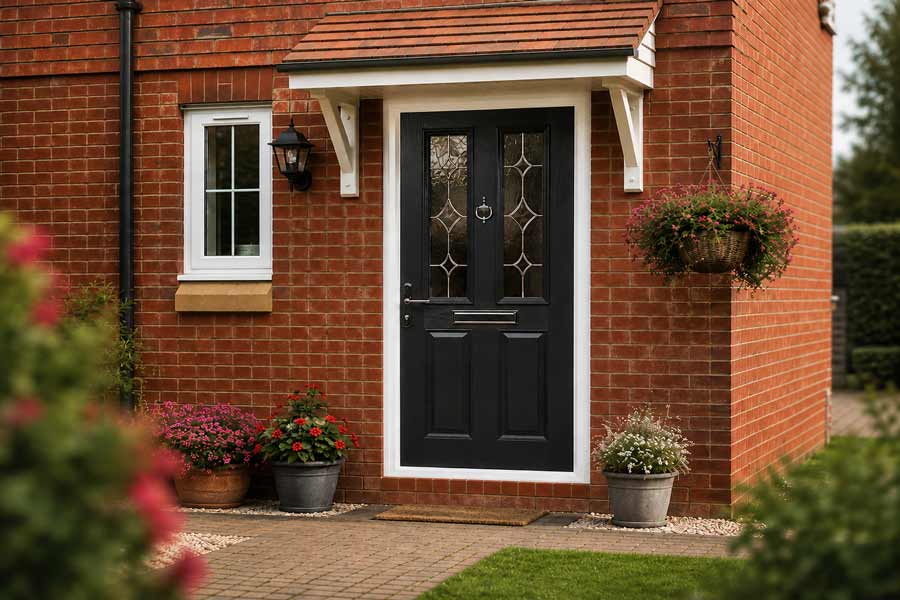
Door Furniture for Composite Doors is a practical topic, because most real security and hardware problems are caused by small mismatches rather than dramatic failures. This guide is for composite-door owners updating handles, letter plates or security accessories. It covers the situation where a composite door may be structurally strong, but worn furniture, exposed cylinders or badly matched finishes can reduce both appearance and security, then explains how to look at the existing hardware before deciding what to buy. This topic fills a gap between decorative buying guides and lock-focused security advice. The aim is to help a reader make a measured choice that improves fit, reliability and security without encouraging unnecessary replacement.
When refreshing a composite entrance, the team at Locks & Hardware recommend checking lock and cylinder compatibility before deciding on style; their door furniture range helps combine appearance with practical fit.
Start with the opening, then choose the hardware
The first useful check is the opening itself. Look at whether the door or window sits square, whether the frame is sound, and whether the moving part meets the keeps or strike plates without being pulled or lifted. For composite door furniture guide, the most relevant components are usually security handles, letter plates, pull handles, knockers, escutcheons, cylinders and hinges. When these parts are considered together, it becomes easier to see whether the visible fault is the cause of the problem or only the symptom.
Door furniture completes the opening visually and functionally. Handles, letter plates, escutcheons and pulls should suit the lock, the door thickness and the level of exposure. A reader should also look for old screw holes, worn faceplates, shiny rub marks, loose keeps and signs that somebody has forced the part in the past. These clues are useful because they show the direction of the load. If the hardware has been fighting the door, frame or weather for months, simply fitting a new component in the same position can reproduce the fault.
The parts involved in composite door furniture guide
Every item has a neighbouring part that decides whether it performs properly. A lock needs a keep, a cylinder needs suitable furniture, a hinge needs firm fixings, and a window mechanism needs the sash to sit correctly. With security handles, letter plates, pull handles, knockers, escutcheons, cylinders and hinges, the safest assumption is that movement and alignment matter as much as product quality. Good hardware can feel poor when it is working against a distorted frame.
A change of door furniture can improve security when it protects the cylinder or covers vulnerable fixings, but only if it fits the existing preparation properly. The connected parts should also be compatible in strength. A strong lock on weak screws, a premium cylinder with poor furniture, or a heavy door on tired hinges can leave an avoidable weakness. Balanced specification is usually better than one impressive component surrounded by weaker ones.
Measurements to record before buying
Compatibility usually depends on several dimensions at once. In this case, pay attention to PZ centres, screw centres, letter plate aperture, cylinder projection, backplate coverage and finish type. One correct measurement is not enough if the next one is wrong. A handle can have the right finish but the wrong centres; a lock can have the right case depth but the wrong backset; a window part can have the right length but the wrong fixing pattern.
If two products look similar, compare the critical dimensions line by line rather than relying on the title of the listing. This is especially important for older doors, composite doors, uPVC profiles and windows that may have had previous repairs. A small mismatch can mean drilling extra holes, leaving gaps uncovered or putting strain on the mechanism from the first day.
Security, standards and sensible expectations
Ratings, marks and standards matter most when they are matched to the correct application. Door furniture should be selected to complement the lock and cylinder, not just to refresh the look of the door. The practical question is whether the product, door or window, fixing surface and user need all point in the same direction. Where they do not, a higher-rated item may still be the wrong purchase.
Think about the weakest point after the replacement is fitted. If the lock improves but the keep, hinge, hasp, frame or handle remains weak, the upgrade may simply move attention to the next vulnerable part. Balanced improvement is usually more effective than relying on a single upgraded component.
How to read symptoms before replacing parts
Common errors include choosing timber-door furniture for a composite setup, forgetting cylinder protection and covering old marks without measuring fixing centres. Each one can lead to a part that appears correct until it is installed. When a product fits only after force, extra drilling or an awkward workaround, it is usually a sign that the identification stage was rushed.
Noise is a clue, not just an annoyance. Scraping, clicking, rattling and grinding can indicate a dropped door, worn stay, loose keep, distorted hasp or internal wear. Mark where the noise appears and inspect that area first. The sound often points to the contact point that needs adjustment or replacement.
Matching the replacement to the way the property is used
A sensible buying order is: identify the existing part, confirm whether the surrounding hardware is sound, measure the key dimensions, check any rating or duty requirement, then choose the finish or convenience feature. That sequence keeps practical requirements ahead of preference and reduces wrong orders.
Daily use should shape the final decision. Consider who needs keys or codes, whether the opening is used at night, whether children or visitors interact with it, and whether weather exposure will affect maintenance. Hardware that suits real use is less likely to be bypassed, forced or left unsecured because it is awkward.
Final checks before ordering
If the job involves a shared entrance, fire door, escape route, commercial premises or insurance condition, check those requirements before ordering. Hardware in those settings has a safety and compliance role as well as a security role. A convenient product is not suitable if it compromises required performance.
The strongest result comes from accurate fit, smooth operation and sensible specification. Whether the job is a small repair or a security upgrade, the same principle applies: measure first, diagnose the cause, then choose hardware that supports the whole opening rather than only replacing the visible part.
Small maintenance routines protect the investment. Keep moving parts clean, avoid forcing stiff mechanisms, check outdoor fixings after severe weather, and review keys or codes when users change. These habits are simple, but they help hardware continue doing the job it was chosen for: secure, reliable and convenient everyday use.
For shared use, write down who needs keys, codes or routine access before the product is chosen. Hardware that suits the access pattern is more likely to be used correctly and maintained properly.