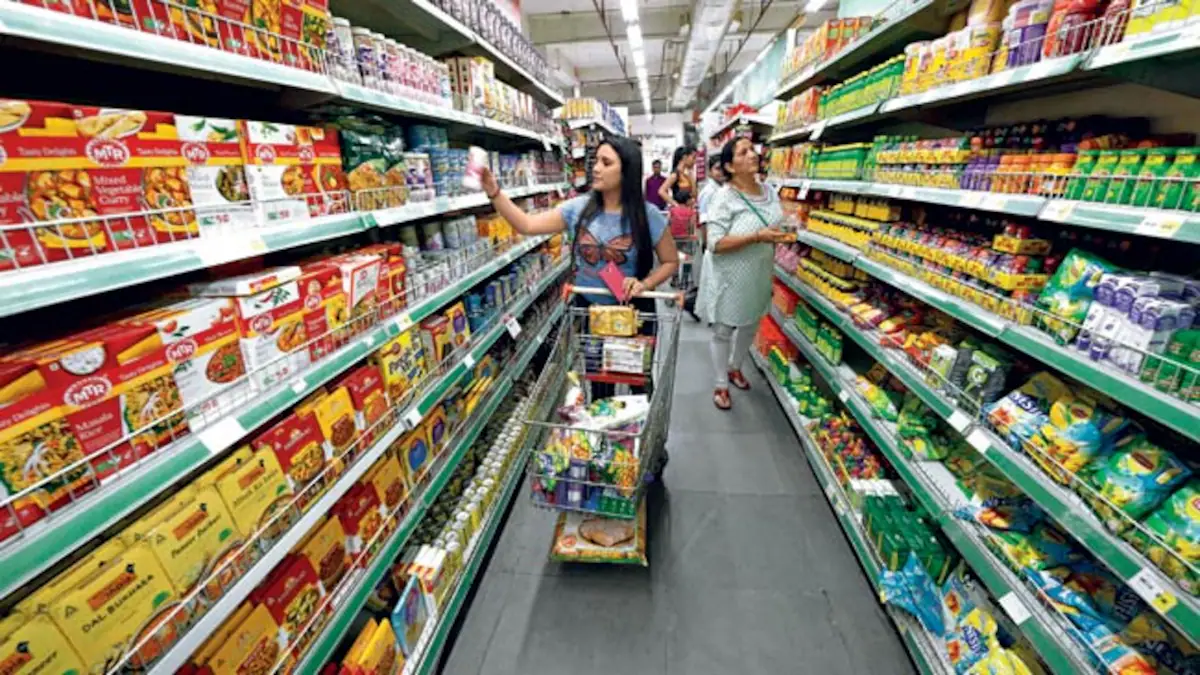
The American retail sector has long sourced its store fixtures—shelving systems, gondola units, display racks—from a concentrated pool of domestic and European suppliers. That arrangement worked well enough when supply chains were stable, lead times were predictable, and procurement teams had fewer constraints on budget. Over the past several years, those conditions have changed in meaningful ways. Rising manufacturing costs, strained domestic production capacity, and a broader push to diversify sourcing have pushed purchasing managers and retail operations leaders to look further afield. One source that has gained steady traction in that search is India, and more specifically, the manufacturing base that has developed around Chennai.
This shift is not driven by novelty or trend-chasing. It reflects a pragmatic response to real operational pressures. US retailers, particularly regional grocery chains, independent supermarket operators, and mid-market retail groups, are under margin pressure on multiple fronts. Store build-outs and remodels are expensive. Fixture procurement represents a significant capital line item. When a supplier in southern India can deliver equivalent structural quality at a meaningfully lower cost and with the capacity to handle large-format orders, procurement teams pay attention.
Why Chennai Has Become a Serious Manufacturing Origin for Retail Shelving
Chennai’s manufacturing base did not emerge overnight. The city has decades of history in metal fabrication, automotive components, and industrial production. That foundation created a skilled labor pool, reliable access to raw materials, and a supplier ecosystem capable of producing at scale. When demand for retail fixtures began growing—both domestically in India and from export markets—manufacturers in the region were positioned to respond. Today, sourcing supermarket racks Chennai has become a practical option for international buyers who previously limited their searches to regional suppliers.
What distinguishes this manufacturing base is not just cost, but the combination of production consistency and order flexibility. Suppliers in the Chennai region have adapted to export requirements, which include compliance with different load-bearing standards, finish specifications, and packaging requirements for container shipping. That adaptation required investment, and the manufacturers who made it have developed genuine export competency rather than simply redirecting domestic-grade products toward foreign buyers.
Buyers researching options in this market can find product documentation, specification sheets, and manufacturing credentials from suppliers like those catalogued under supermarket racks Chennai, which reflects the breadth of product lines now being produced for commercial retail environments.
The Role of Metal Fabrication Infrastructure in Product Consistency
One concern that procurement managers often raise when evaluating offshore suppliers is consistency across large orders. A supplier may produce a strong sample unit but struggle to maintain the same quality across several hundred identical pieces. This is where Chennai’s industrial infrastructure provides a structural advantage. The region’s existing metal fabrication sector—built largely around automotive and heavy engineering—operates with tolerances and quality control expectations that translate well into retail fixture manufacturing.
Gondola shelving, wall-mounted rack systems, and floor-standing display units all require consistent weld integrity, uniform coating adhesion, and dimensional accuracy that allows components from different production runs to assemble without adjustment. These are not aspirational standards—they are operational requirements. A retail chain that installs shelving across multiple store locations cannot accommodate variation in component sizing. The manufacturing discipline that exists in Chennai’s metal sector supports this level of consistency in a way that lighter industrial bases in other low-cost regions often cannot.
What US Buyers Are Actually Looking For—and What Indian Suppliers Have Developed
US retail fixture buyers evaluate suppliers across several dimensions that go beyond unit price. Lead time reliability, minimum order quantity flexibility, export packaging quality, and after-order support all factor into sourcing decisions. A supplier who quotes a low price but requires a six-month lead time for a store opening on a fixed schedule creates operational risk that eliminates the cost benefit entirely.
Indian manufacturers targeting the US market have worked to address each of these concerns with varying degrees of success. The more established exporters have built production pipelines that allow for phased delivery, meaning a large order can be split across multiple container shipments timed to a client’s store build schedule. This matters significantly for retailers managing multi-location rollouts, where the delivery of fixtures must align precisely with construction timelines.
Finish and Compliance as Market Entry Requirements
The US retail environment has specific expectations around finish quality and coating durability. Shelving units in a grocery environment are exposed to cleaning chemicals, moisture from refrigerated sections, and constant contact from product placement and removal. Powder coating, the finish used on most commercial shelving, must adhere properly and resist chipping under regular operational conditions.
Indian manufacturers exporting to the US have invested in coating processes that meet these demands. The transition from domestic-grade finishing, which may prioritize cost over durability, to export-grade finishing capable of sustaining commercial grocery conditions represents a meaningful capital and process commitment. Suppliers who have made this transition have effectively closed one of the main product-quality gaps that initially made US buyers hesitant.
Beyond finish, there is the matter of structural compliance. Retail shelving in the US must meet safety expectations related to load capacity and stability. Standards published by organizations such as the Occupational Safety and Health Administration inform how commercial fixtures must perform in occupied retail spaces. Indian manufacturers targeting this market have worked to align their product specifications with these expectations, which requires ongoing engineering discipline rather than a one-time adjustment.
Documentation, Certification, and Buyer Confidence
A consistent challenge in cross-border fixture procurement is the documentation trail. US buyers need to verify that what they are purchasing meets the specifications they have agreed to, and they need that verification to hold across production batches. Indian exporters who have built genuine export programs provide material certifications, third-party test reports, and production inspection access to address this need.
This level of transparency was not universal among Chennai-based manufacturers five years ago. It has become more standard as suppliers have competed for larger contracts with buyers who require it. The result is a supplier landscape where documentation expectations are better understood, even if not yet uniform across all producers. For buyers willing to invest time in vetting, the information needed to make confident sourcing decisions is available.
The Economics of Importing Supermarket Fixtures From India
The landed cost of imported shelving—meaning the unit price plus shipping, duties, and port-handling charges—remains lower than domestically produced equivalents for a significant portion of standard commercial fixtures. This margin exists even after accounting for longer lead times and the working capital requirements of paying for goods in advance of delivery. For a regional grocery chain fitting out several new locations in a calendar year, the cumulative savings on fixture procurement can represent a material budget benefit.
That said, the economics are not uniformly favorable for all buyer types. Retailers who need small quantities on short notice, who have highly customized fixture requirements, or who operate in formats where fixtures need frequent adaptation will find the offshore sourcing model less practical. The cost advantage is clearest for buyers with planned rollouts, standardized store formats, and sufficient lead time to place orders ahead of need.
Currency and Payment Structure as Procurement Factors
International fixture procurement introduces financial considerations that domestic sourcing avoids. Currency exchange rates between the Indian rupee and the US dollar affect supplier pricing, and shifts in that rate can alter the economics of a sourcing relationship over the course of a multi-year contract. Buyers who have incorporated offshore sourcing into their long-term procurement strategy typically address this through payment terms, contract structuring, or by working with freight forwarders experienced in managing currency exposure on behalf of their clients.
Payment structure is also a practical concern. Most Indian exporters require partial payment upfront before production begins and the remainder before shipment. This differs from the net-payment terms common in domestic supplier relationships and requires buyers to plan their cash flow accordingly. For larger organizations, this is a manageable adjustment. For smaller independent operators, it can create a liquidity constraint that affects whether offshore sourcing is viable at all.
How This Trend Is Reshaping the US Retail Fixtures Supply Chain
The growing presence of Indian manufacturers in the US retail fixtures market is beginning to have upstream effects on how domestic suppliers price and position their offerings. Domestic producers who previously operated with limited international competition are now dealing with buyers who can credibly reference offshore quotes during procurement negotiations. This competitive pressure has pushed some domestic suppliers to improve service terms, reduce minimum order quantities, and in some cases adjust pricing on standard product lines.
For US retail operators, this dynamic is generally beneficial. More options, better pricing transparency, and more responsive supplier behavior all reduce the operational risk associated with fixture procurement. The disruption is not about displacing domestic manufacturing entirely—it is about introducing market discipline into a sector that had not faced meaningful price competition for some time.
Manufacturers in the supermarket racks Chennai segment are not standing still either. The most competitive exporters are investing in product development, expanding their catalogues to include specialized formats such as refrigerated section surrounds, promotional display systems, and checkout area fixtures. This product expansion reflects an understanding that entering the US market on standard gondola shelving is a starting point, not a ceiling.
Closing Observations
The movement of supermarket rack manufacturing from Chennai into US retail fixture procurement is not a disruptive phenomenon in the dramatic sense—it is a measured, supply-chain response to genuine cost and capacity pressures. Buyers who approach it with proper vetting, realistic lead time planning, and clear specification requirements will find a supplier base that has matured significantly and can deliver consistent, commercially appropriate products at competitive landed costs.
The retailers most likely to benefit are those with planned store development pipelines, standardized formats, and procurement teams capable of managing international supplier relationships. For those operators, engaging with what has developed in southern India’s manufacturing sector represents a practical sourcing option, not a compromise. The geography has changed. The fundamentals of good procurement have not.