
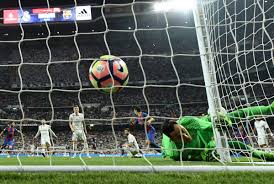
By 2016/2017, La Liga had fully embraced the modern idea that full-backs are not just defenders but key attacking outlets that push high, deliver crosses and help sustain pressure. Tactical analysis of back-four systems shows that the positioning of full-backs massively shapes a team’s ability to progress the ball, overload wide zones and create crossing opportunities. In practice, those movements directly affect how many shots and corners a team generates, because overlapping runs and aggressive wide play are primary triggers for blocks, deflections and hurried clearances in the defensive third.
Why attacking full-backs logically increase shots and corners
When full-backs advance, they stretch the pitch horizontally and vertically, forcing opposing wingers and midfielders to track back or risk leaving their own full-backs in two‑v‑one situations. This creates more room for crosses, cutbacks and quick combinations near the edge of the box, which in turn raises the raw volume of shot attempts from both wide and central areas. The cause is structural: by pushing a normally defensive player into advanced positions, you add an extra attacker without sacrificing central presence.
Those same overlaps also generate more corners. When full-backs deliver crosses or slip passes into the channel, defenders often prioritize safety—clearing behind rather than trying to play out under pressure—especially against technically strong La Liga sides. Over a 38‑match season, this conservative defending behavior compounds, with attacking full-backs helping their teams rack up many of the league’s highest corner counts, as later corners data and wide‑channel analyses for La Liga illustrate. The impact for anyone thinking in markets is clear: systems built around aggressive full-back involvement tend to sit near the top in both shots and corners.
How full-backs in 2016/2017 actually operated in La Liga
La Liga 2016/2017 sat in the middle of a broader tactical shift where full-backs were increasingly treated as playmakers rather than purely defensive pieces. Tactical education material on full-back play highlights how top-level full-backs of this era were expected to manage body orientation, control depth and constantly scan for both central and wide passing options, enabling them to join attacks reliably without losing defensive awareness. In Spain, clubs that sought to dominate possession often used their full-backs to create width and overloads, especially when wingers moved inside.
Analytical work on attacking player networks shows that some full-backs in La Liga ranked near the top in metrics like betweenness centrality and positive crosses, underlining their importance in ball circulation and chance creation. High-profile examples from that era include offensive left-backs who carried the ball long distances, delivered frequent crosses and contributed assists, with later scouting pieces citing them as prototypes of the “attacking full-back legend.” The outcome is that by 2016/2017, many Spanish teams already relied on their full-backs as primary engines for wide attacks, which naturally increased the probability of both shots and corners whenever those players were on the pitch.
Mechanisms: from full-back movement to shooting opportunities
The causal chain from an attacking full-back to a shot is more specific than “he goes forward and something happens.” Tactical breakdowns of full-back play emphasise three mechanisms: creating two‑v‑ones, delivering crosses and acting as auxiliary playmakers. First, when a full-back overlaps an inside-moving winger, he forces the opposition wide defender to make a bad choice: track the run and open a lane inside, or hold position and leave the overlap free. Either way, one of the two attacking lanes becomes easier to exploit.
Second, once the ball reaches the full-back in advanced wide areas, his default option is to cross or drive toward the byline and pull the ball back—both actions that directly lead to shots. Even when the cross is blocked, it often produces a corner or a loose ball in the box, sustaining attacking pressure. Third, when used as inverted full-backs, they can step into midfield to create central overloads, receiving the ball and playing progressive passes that break lines and set up shooting positions in and around the area. The impact is that a full-back’s attacking involvement significantly raises both the number and variety of shot situations a team can generate over a match.
How a full-back’s profile changes corner probability
Corners are not randomly distributed; they arise from specific patterns of play. Analysis of team structure shows that when a side chooses to build attacks down the flanks, especially with overlapping full-backs, defenders are repeatedly forced to defend in their own penalty area facing their goal. Under that pressure, the safest action is often to block or poke the ball behind rather than risk a mis‑clearance into a dangerous central zone.
Moreover, frequent wide deliveries from high full-back positions increase the volume of partial clearances and ricochets in the box, which, when contested, tend to end with last‑ditch blocks or hurried put‑outs over the byline. Over a season, teams whose tactical identity revolves around full-back‑driven wide attacks typically show elevated total corners won, as later La Liga corners datasets for other seasons confirm for similar styles. The outcome is that identifying line‑ups with naturally aggressive full-backs becomes a reasonable shortcut to anticipating higher corner counts, especially against opponents who defend deep and narrow.
Using UFABET within a full-back–driven corners and shots framework
When you want to turn this understanding of attacking full-backs into concrete bets on shots or corners, you still need a place where those markets are accessible and easy to compare. Many regular La Liga bettors streamline their activity through one main account so they can track patterns in their selections and results; in that pattern, some choose a football-focused betting destination such as ทางเข้า ufabet168 because it offers a broad menu of match stats, corners lines and player specials. From an analytical point of view, the key is to reverse the usual order: first identify matches where both teams field aggressively oriented full-backs and where tactical context suggests wide attacks—then open the betting destination to see which corners or shot markets align with your view. The cause is that tactical diagnosis comes before price shopping rather than the other way around; the outcome is that your bets on corners and team shots are constrained to games where full-back behavior genuinely supports those positions. Over time, the impact is a portfolio of wagers that reflects structural features of how teams attack, rather than just reacting to headline odds.
Comparing different full-back roles and their impact
Not all full-backs contribute to shots and corners in the same way. Tactical writing distinguishes between traditional overlapping full-backs who hug the touchline and inverted full-backs who move into central spaces. The former drive more classic wide crosses and are more directly associated with corner generation; their heat maps often show long vertical runs along the flank and high volumes of attempted crosses per match.
Inverted full-backs, by contrast, influence shot creation through central overloads: by stepping into midfield, they create extra passing angles that help teams progress centrally and reach the edge of the box with short combinations rather than pure wing play. This can slightly reduce raw corner counts but increase chances from zone‑14 or central half‑spaces, where cutbacks and through balls are more common than high crosses. The outcome is that the same “attacking full-back” label hides two different shot profiles—cross-heavy, corner‑producing versus combination‑heavy, central‑chance‑producing—each implying different angles for those targeting corner totals or specific shot locations.
H3: Conditional scenarios where attacking full-backs matter most
There are clear match conditions under which the impact of attacking full-backs on shots and corners is magnified. One is when a possession‑dominant team with aggressive full-backs faces a deep‑block opponent; the favourite will likely spend long periods camped in the opponent’s half, repeatedly sending full-backs forward and forcing clearances. Another is when an underdog’s game plan revolves around quick switches to overlapping full-backs as a primary route out, which can generate bursts of corners and shots even from low overall possession.
Weather conditions and pitch width also matter. On wider or better surfaces that encourage flank play, attacking full-backs can exploit space more easily, increasing the probability of cross‑driven chances and the corners that follow. The impact is that simple pre‑match checks—line‑ups, tactical tendencies, venue and expected game state—can tell you when full‑back behavior is likely to drive the match’s shot and corner profile rather than being a secondary factor.
Where the “attacking full-back = more shots and corners” idea can fail
Despite its logic, the connection between attacking full-backs and elevated shots and corners is not automatic. One failure case occurs when opponents adjust by pinning full-backs back through aggressive wingers, turning them from attacking outlets into auxiliary centre-backs; under sustained counter‑threat, coaches may instruct full-backs to be more conservative, sharply reducing overlaps. Another arises when central strategies dominate—if a team builds almost everything through the middle with narrow forwards and attacking midfielders, full-backs may still advance but act mainly as safety valves rather than primary chance creators.
Fatigue and fixture congestion can also blunt full-back impact. Analytics on running loads show that full-backs often cover some of the most metres with high‑intensity carries, and late in seasons or in tight schedules, they may simply have less energy to overlap as aggressively. The outcome is that historical reputation (“this team’s full-backs always bomb on”) can lag behind current reality if players are injured, rotated or tactically restrained. The impact for bettors is that full-back‑driven expectations about shots and corners must be updated continuously using recent line‑ups and match footage, not just carried forward from previous seasons or phases.
Keeping full-back–based angles separate from casino online volatility
Even a well-reasoned understanding of how attacking full-backs influence shots and corners only becomes useful if your betting behavior allows that edge to show up in results. Responsible‑gambling and bankroll‑management advice emphasize that merging structured, tactically informed bets with unrelated high‑variance activities makes it very hard to measure whether a given approach works. When profits or losses from carefully chosen corners and shot markets are mixed in the same wallet with fast‑paced games in a casino online setting, the variance and emotional swings from those games can easily overshadow the modest but consistent gains that tactical analysis might generate.
The cause is that strong feelings from one activity—frustration after a bad run, overconfidence after a big win—spill into stake sizing and decision‑making in the other, undermining the discipline needed to apply a structured full‑back‑based approach over hundreds of bets. The outcome is that even correct reads on how La Liga 2016/2017 full-backs affected shots and corners may not translate into visible, trackable profit. The impact of keeping dedicated records and, ideally, separate budgets is that you can see clearly whether this specific angle—identifying aggressive full-backs and aligning markets with their behavior—really improves your long‑term edge or just feels insightful without changing your bottom line.
Summary
In La Liga 2016/2017, attacking full-backs were central to how many teams created chances, with overlaps, crosses and inverted movements all raising shot volume and often corner counts by stretching defensive structures and forcing safety‑first clearances. Tactical and analytical work on full-back roles shows that their positioning and movement shape both wide and central progression, making them crucial levers for predicting how chances and set‑piece opportunities distribute across a match. When that understanding is combined with up‑to‑date line‑up reading, awareness of failure cases and disciplined bankroll separation, full-back behavior stops being a stylistic detail and becomes a practical input into decisions on corners, shots and related markets built around how attacks actually unfold down the flanks.
