
Surface preparation plays a crucial role in achieving durable and visually appealing walls in modern construction. Before painting or finishing, builders focus on creating a smooth and stable base that enhances both appearance and strength. One of the most essential materials used in this stage is wall putty, which ensures walls are even, crack-free, and ready for final coatings. A proper understanding of putty on wall applications helps in improving finishing quality and extending the life of painted surfaces.
Construction professionals and homeowners increasingly depend on advanced surface finishing materials to ensure consistent results. Among these, wall putty acts as a foundation layer that improves adhesion and reduces imperfections, ensuring durability.
What is Putty for Walls
Wall putty is a fine powder or paste made from white cement, minerals, and additives designed to smooth wall surfaces. It fills minor cracks, pores, and uneven textures, creating a uniform base for painting. The application of wall putty ensures that paint spreads evenly and maintains its color quality over time.
In construction, putty is applied after plastering and before painting. This intermediate layer plays a vital role in ensuring walls are free from defects. Without proper use of putty, paint may peel or appear uneven, reducing the overall aesthetic value of the structure.
Importance of Wall Putty in Surface Preparation
Surface preparation determines the final look and durability of any painted wall. Wall putty improves surface strength and provides resistance against environmental factors like moisture and temperature changes.
One of the major reasons contractors prefer wall putty is its ability to enhance smoothness. It reduces surface irregularities, ensuring that paint adheres properly. This not only improves appearance but also reduces long-term maintenance requirements.
Additionally, putty strengthens the bonding between plaster and paint layers, preventing cracks and flaking. This makes it an essential step in achieving professional-quality finishes in construction projects.
Types of Wall Putty Used in Construction
Different types of wall putty are used depending on surface requirements and environmental conditions. Cement-based putty is commonly used for both interior and exterior walls due to its durability. Acrylic-based variants are preferred for interior decorative finishes.
Contractors often consult wall putty retailers to select the right material for specific project needs. These suppliers provide guidance based on surface type, weather conditions, and application requirements. Choosing the correct putty type ensures better performance and long-lasting results.
Another commonly used variant includes waterproof putty, which protects walls from dampness and moisture damage. This is especially useful in areas exposed to humidity or water leakage.
Application Process of Wall Putty
The application of wall putty requires proper technique to achieve smooth results. First, the surface must be cleaned thoroughly to remove dust, grease, and loose particles. A well-prepared surface ensures better adhesion and durability.
The mixture is then prepared according to instructions and applied evenly using a trowel or putty knife. The application of wall putty should be done in thin layers to avoid cracking and ensure smooth finishing. After drying, sanding is done to remove imperfections and achieve a polished surface.
Multiple layers may be applied depending on surface condition, but each layer must dry completely before the next application. This process ensures a uniform base ready for painting.
Role of Wall Putty Dealers in Material Selection
Selecting the right material is essential for achieving high-quality results in construction. Professional wall putty dealers play an important role in helping contractors and homeowners choose suitable products based on project needs.
They provide insights into product quality, application methods, and surface compatibility. By sourcing materials from trusted suppliers, construction professionals ensure consistency and durability in finishing work.
Reliable dealers also help in understanding cost factors, availability, and technical specifications, which are important for large-scale construction projects.
Common Mistakes in Wall Putty Application
Improper application of wall putty can lead to surface defects and reduced durability. One common mistake is applying thick layers at once, which leads to cracking. Another issue is applying putty on unclean surfaces, which reduces adhesion strength.
Ignoring drying time between layers also affects the final finish. Proper technique ensures that wall putty performs effectively and delivers a smooth surface.
In many cases, choosing low-quality material due to a lack of guidance from wall putty retailers can result in poor results. Therefore, proper selection and application practices are essential.
Benefits of Using Wall Putty
Wall putty offers multiple advantages in construction finishing. It improves wall smoothness, enhances paint durability, and prevents surface damage. It also reduces paint consumption by providing an even base layer.
Using wall putty ensures long-lasting protection against cracks and moisture. It enhances the aesthetic appeal of interiors and provides a professional finish to construction projects.
Additionally, it reduces maintenance costs by minimizing repainting frequency. This makes it a cost-effective solution for both residential and commercial buildings.
How Wall Putty Improves Long-Term Durability
Wall putty acts as a protective layer between plaster and paint, ensuring structural stability. It prevents external damage caused by weather changes and environmental exposure.
High-quality materials sourced from experienced wall putty retailers ensure better performance and durability. This helps maintain wall integrity over time and reduces repair requirements.
Proper use of putty also improves resistance against fungal growth and damp patches, making walls healthier and more durable in the long run.
Conclusion
Wall putty is a key element in achieving smooth, durable, and long-lasting wall surfaces in construction. Proper selection and application ensure better paint adhesion, reduced maintenance, and improved aesthetics. Putty on wall strengthens the base layer and protects walls from cracks and moisture, making it essential for quality finishing work in both residential and commercial building projects.
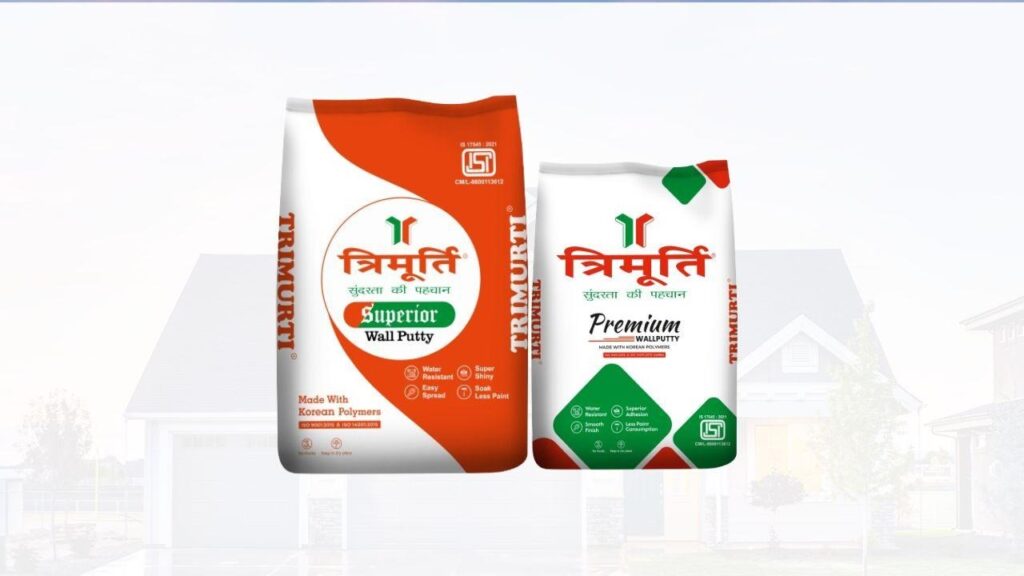
For achieving durable and smooth wall finishes in construction projects, Trimurti offers a complete range of advanced wall care solutions designed for modern construction needs. Their Trimurti products include high-quality wall putty, waterproof coatings, and finishing materials that ensure smooth and durable surfaces. With a focus on consistency, strength, and performance, Trimurti supports builders, contractors, and homeowners in achieving professional-grade results. Their solutions deliver long-lasting wall finishes across diverse construction projects.
