
What Most People Get Wrong
Picture a backyard wedding reception scheduled for six o’clock on a July evening. The forecast promised clear skies all week, and the host spent months choosing flowers, food, and music. Then, three hours before guests arrive, the wind picks up and folding chairs start toppling over on the lawn. Nobody thought to check whether the rental tables could handle uneven ground, and the seating chart falls into chaos. By the time the caterer arrives, someone is holding a table steady with a rolled-up napkin while trying to look calm for photos. This scenario repeats itself at events across Utah every season, usually because planning treated furniture as an afterthought rather than a structural piece of the day.
Many hosts assume that any table or chair will do, as long as there are enough of them to seat everyone. They order based on headcount alone, without considering surface type, weather exposure, or how guests will move between courses and conversation areas. Some assume rental companies will simply drop off equipment and disappear, leaving no one accountable if a table wobbles or a chair arrives with a broken leg. That assumption creates problems later, when there is no one available to fix an issue mid-event. Price often becomes the only deciding factor, even though a slightly higher quote sometimes reflects better equipment and more reliable service. The result is often a scramble that pulls attention away from the people the event was meant to celebrate.
What Actually Works
Successful events start with a walk-through of the actual space, not just a guest list. Planners who visit the venue ahead of time notice slope, shade patterns, and access points that affect where tables and chairs should go. They also think about flow: how guests move from a ceremony area to a dinner setup, and how staff will navigate between them without disrupting conversation. A table placed too close to a doorway or a shaded pergola can quietly become a bottleneck once fifty guests are moving through it at once. This kind of attention rarely shows up in a spreadsheet, but it shapes almost every decision that follows.
The other piece that gets overlooked is timing. Rentals delivered too early sit exposed to weather changes, while deliveries scheduled too close to the event leave no buffer for last-minute fixes. Experienced coordinators build in extra time for setup adjustments, especially when an outdoor space depends on wind, sun position, or ground moisture. They also confirm delivery and pickup windows in writing, so nobody is left guessing who is responsible for a folding chair left behind after the last guest leaves. A short phone call the week before the event, confirming quantities and access instructions, often prevents the kind of confusion that shows up on delivery day. Vendors who communicate clearly about these details tend to prevent the kind of last-minute chaos described earlier.
How to Apply This
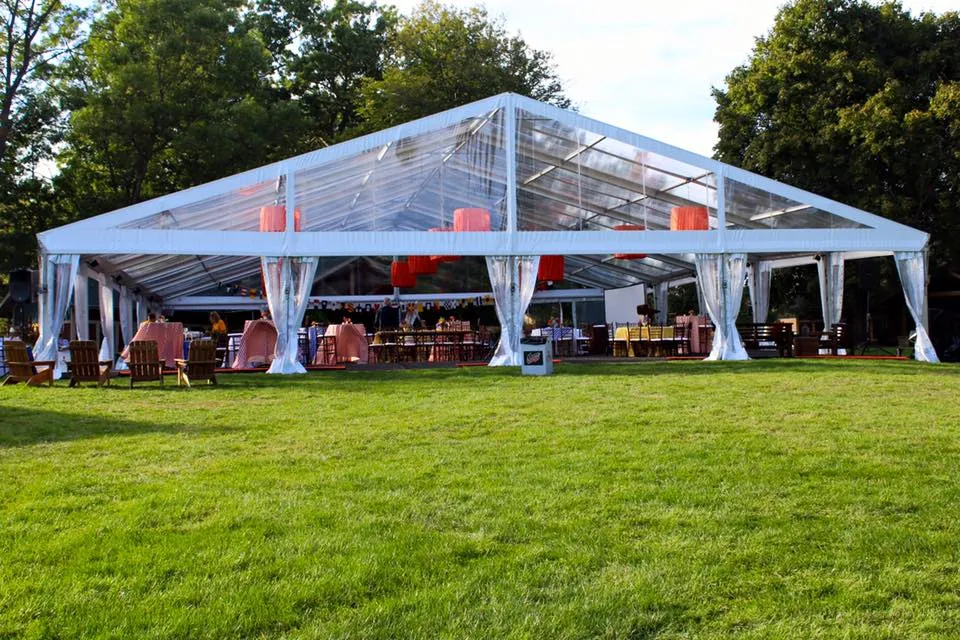
For hosts organizing anything from a backyard reception to a large community gathering, working with a company that understands local terrain and weather patterns makes a measurable difference. Utah’s mix of dry heat, sudden wind gusts, and uneven yard conditions means standard rental packages do not always translate well from other regions. A tent that works fine in a humid coastal climate might need extra anchoring on a dry Utah hillside where gusts pick up in the late afternoon. Local providers such as those offering table and chair rentals for events in Utah tend to bring practical knowledge about which tables hold up on grass, how many chairs fit under a given tent size, and what backup equipment might be needed if conditions shift midday.
Building a checklist before contacting any rental company helps clarify what actually matters: guest count, table shape, walking space, and weather contingency. Many hosts also lean on established guides, including The Knot wedding planning resources, to understand how furniture rental fits into the broader logistics of a wedding or large event. These resources tend to cover budgeting and vendor coordination in more depth than most people expect going into their first large event. Comparing quotes without asking about delivery windows or setup support usually leads to the same confusion described earlier in this piece. Asking a rental company how they handle uneven ground or last-minute weather changes reveals more about their reliability than price alone.
The details that seem small in the planning stage, like chair spacing or table height, tend to become obvious the moment guests arrive. Treating furniture logistics as part of the event’s structure, not a footnote, tends to prevent the kind of disruption that pulls attention away from the people gathered to celebrate.
