
Depression afflicts thousands of people all around the world impacting emotional, physical health, as well as quality of life. However, there are treatments such as psychotherapy and medications combined with lifestyle adjustments, and there are also alternative options people choose for dealing with various mental problems.
One of the best-studied mind-body techniques that helps in improving the state of one’s emotions is yoga. If you were looking for yoga near me, you are certainly not alone. You can visit Tranquil Tree Yoga and practice yoga of different levels in the environment of safety and positivity contributing to your physical and emotional wellness.
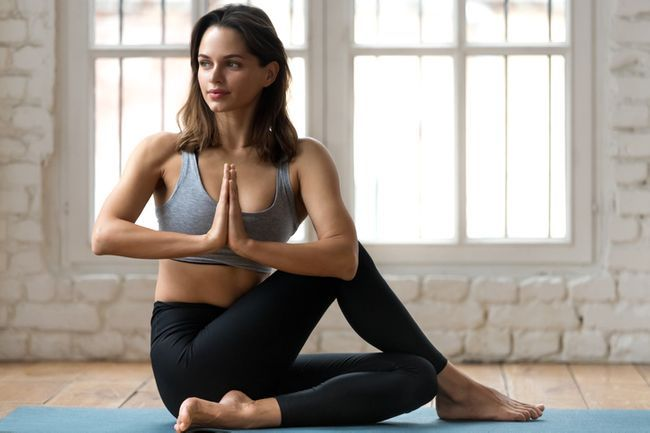
Yoga and Mental Health: Discovering the Connection
Not only a perfect physical activity, yoga is something much more than just a training regime. In addition to performing various physical postures called asanas, yogis practice pranayama and meditation, which help bring harmony both to your body and to your mind.
Recent studies show that there are plenty of different factors, which can influence the development of depressive disorder, including such as constant stress, inflammation, imbalance of hormones and brain chemistry changes. Yoga is beneficial for coping with some of these factors, including stress and relaxation.
Performing yoga exercises triggers the activation of the parasympathetic nervous system, which is often referred to as the “rest and digest” system. This system slows down heart rate, helps to relax muscles and decreases the production of stress hormones like cortisol.
Research on How Yoga Helps with Depression
More and more scientific research is devoted to yoga as an additional form of treatment for depression. Studies in respected medical publications have proven that practicing yoga regularly can help to cope with mild to moderate depression symptoms along with the traditional treatment, such as psychotherapy and/or medication.
Even some studies have revealed that yoga can provide comparable results to other low-intensity physical activities. Scientists assume that there are several reasons for this, including:
- Increase in mood-modifying neurotransmitters, such as gamma-aminobutyric acid (GABA)
- Reduction in stress hormone levels
- Improvement in sleeping patterns
- Development of better emotional regulation
- Increased self-awareness and mindfulness
- Increase in physical activity
Yoga is definitely not a substitute for professional mental health treatment, but there are currently enough scientific facts that prove its benefits.
Ways Yoga Promotes Emotional Wellness
One of the advantages of yoga is the fact that it is able to solve both the physical and emotional issues connected with depression. In the case of depression, people often complain about fatigue, muscle tension, lack of good-quality sleep, low energy levels, and inability to concentrate.
Yoga is able to encourage people to move without much physical exertion. Breathing techniques will be useful for calming down racing thoughts and lowering anxiety, while meditations can help people to focus on their current state instead of the negative ones.
Often people seeking yoga near me are searching for communication. In a group yoga session people can establish relationships with others and it can lower the feeling of loneliness, often experienced by those who suffer from depression. Once or twice practice per week can become a good habit.
Which Yoga Types Can Be Helpful?
Every type of yoga differs and people should be careful with the choice. Some types of yoga are recommended for people suffering from depression since they focus on relaxing, mindfulness and deep breathing. These are:
Hatha Yoga
This is ideal for beginners. Hatha Yoga consists of basic postures, breathing practices, and relaxation practices. It helps in developing flexibility, balance, good posture, mental awareness, and stability of the mind and body.
Restorative Yoga
This emphasizes relaxation via passively holding positions for an extended amount of time with the help of various supportive props like a bolster and blanket. It helps to reduce stress, starts healing, and ensures good sleep.
Yin Yoga
It includes the passive stretching of the body held for several minutes. The goal of Yin Yoga is to stretch the connective tissues, joints, and ligaments. The technique increases flexibility and mobility and lowers the level of stress.
Vinyasa Yoga
It is a lively Yoga practice that requires breath and movement to be done in unison. The Vinyasa Yoga exercise helps in making the body stronger, more flexible, more coordinated, and focused.
Yoga Works Well in Combination with Other Forms of Therapy
Even though there is evidence of its effectiveness, it is necessary to keep expectations realistic. Depression is a complicated health disorder which needs an expert opinion and treatment.
Yoga is just a part of a holistic approach towards well-being and shouldn’t be used as a sole method of depression treatment. The following factors could be included into a holistic program:
- Individual therapy or counseling
- Prescribed medication
- Physical exercises
- Proper nutrition
- Adequate sleeping pattern
- Social support
- Stress management techniques
- Yoga practice
Many psychologists acknowledge the importance of including complementary methods into their practice. People who practice yoga in combination with therapy near me tend to see positive results concerning mood, stress management and their quality of life.
Tips for Beginning Your Yoga Practice
You don’t need to be flexible, have any experience in yoga or be fit to start yoga practice. Try to attend beginners’ classes conducted by an experienced teacher who will show you how to practice yoga correctly. The most important thing is regularity, practicing for 20-30 minutes several times a week brings great results.
Also, one might want to think about being patient when it comes to doing yoga.
One should bear in mind that the process of emotional healing requires time, and the greatest progress comes from practicing.
If you have thought about yoga near me, then choose a place where the atmosphere is friendly, and the teachers offer alternatives. If you feel comfortable, then you will be able to follow the routine, which will do you good both physically and psychologically.
Conclusion
It must be pointed out that yoga cannot be viewed as a remedy for depression but, there have been several studies proving that yoga can be used as an additional measure for treating depression alongside other techniques. Yoga, involving movement, breathing, relaxation, and meditation, affects all systems of our body that are influenced by depression.
