
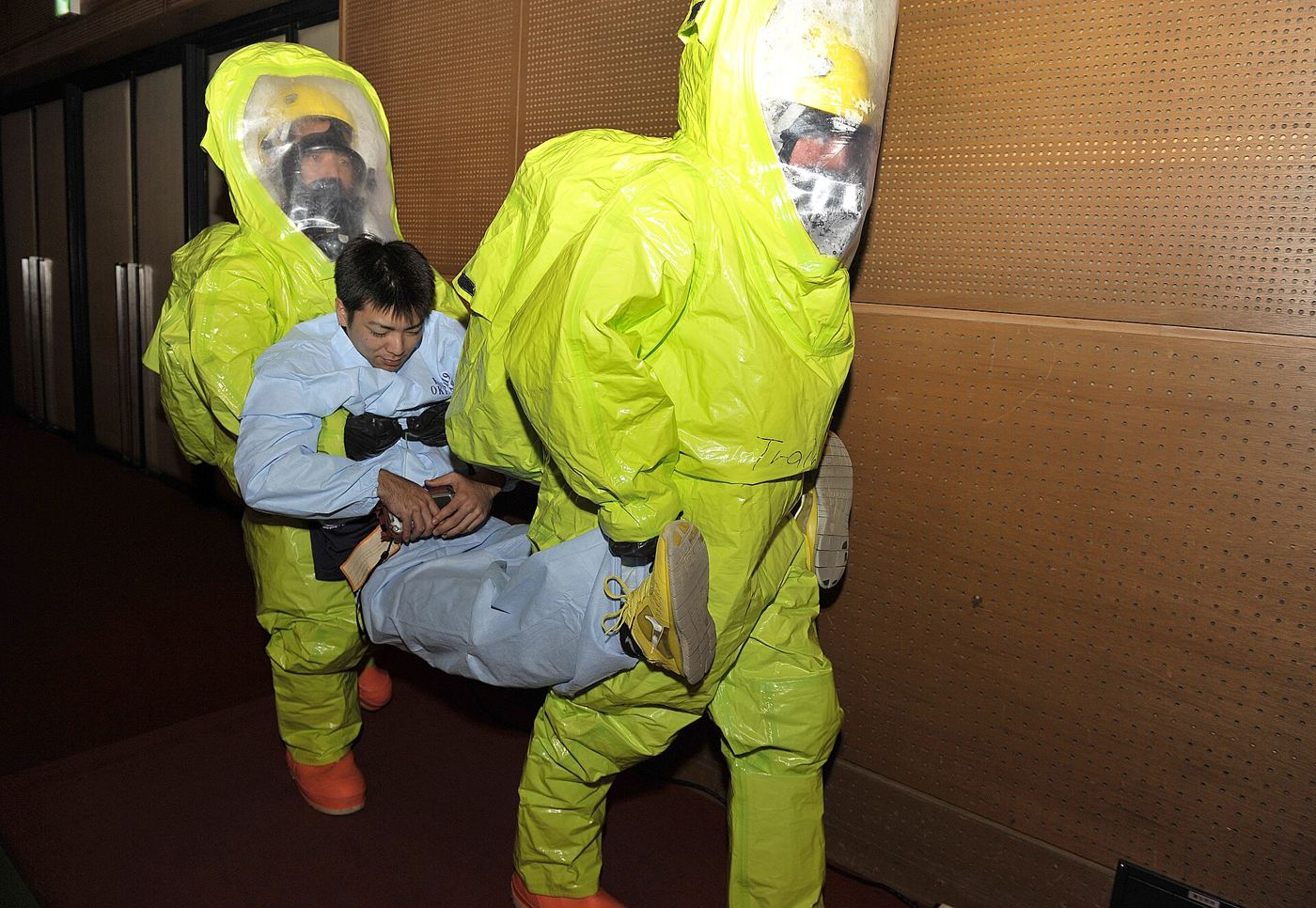
Fire services are rewriting heat training as crews face hotter fires, longer wildfire seasons and heavy protective kit in already sweltering weather. New programmes rotate firefighters through rehabilitation stations with shade, fluids, electrolytes and medical checks, and they train officers to spot early heat illness in colleagues who insist they are fine. Wearable sensors measuring heart rate and estimated core temperature are being trialled during live fire exercises. Instructors say the cultural shift matters most: stopping to cool down is now treated as professional discipline, not weakness.
What the Evidence Shows
The changes follow research showing repeated heat strain can affect hearts, kidneys and concentration long after a shift ends. Services are adjusting work rest cycles, pre cooling crews before major incidents and planning extra staffing for heatwave days rather than expecting the same output from fewer people. Training schools simulate realistic conditions so recruits learn their personal warning signs safely. Families also feature in guidance on sleep and hydration between shifts. As climate driven emergencies grow, protecting responders themselves has become central to keeping communities protected. Reporting and analysis from sources such as BBC News track the same developments, and specialists following cooling down treated as discipline say the direction is now consistent across independent lines of evidence.
The Wider Context
The wider context is a public conversation conducted at a speed institutions were not built for. Developments around cooling down treated as discipline are announced, contested and revised within a single news cycle, and the officials involved have learned to publish evidence alongside claims so that scrutiny can actually occur. Trust, the polling suggests, follows that transparency more than it follows confidence.
What Happens Next
What happens next in the story of cooling down treated as discipline will be decided in the places where it is being implemented, measured and argued about in public. The officials and organisations involved have committed to publishing progress data, and that commitment gives residents, businesses and journalists something firmer than promises to judge. The next milestones are dated, which means they can be checked. You can follow related developments in our coverage of news.
None of this will be settled by a single announcement, study or product launch. The pattern to watch is accumulation: independent confirmations, honest reporting of failures and steady improvement in the underlying numbers. Readers who follow those signals, rather than the loudest claim of the week, will understand this subject better than most of the commentary surrounding it suggests is possible.
There is a practical lesson in all of this for readers deciding what to do today. Start with the verified facts, be wary of anyone promising certainty, and prefer reversible steps while the evidence is still developing. Circumstances differ by country, income and personal situation, so general guidance should always be weighed against your own context before you act on it in any significant or lasting way.
