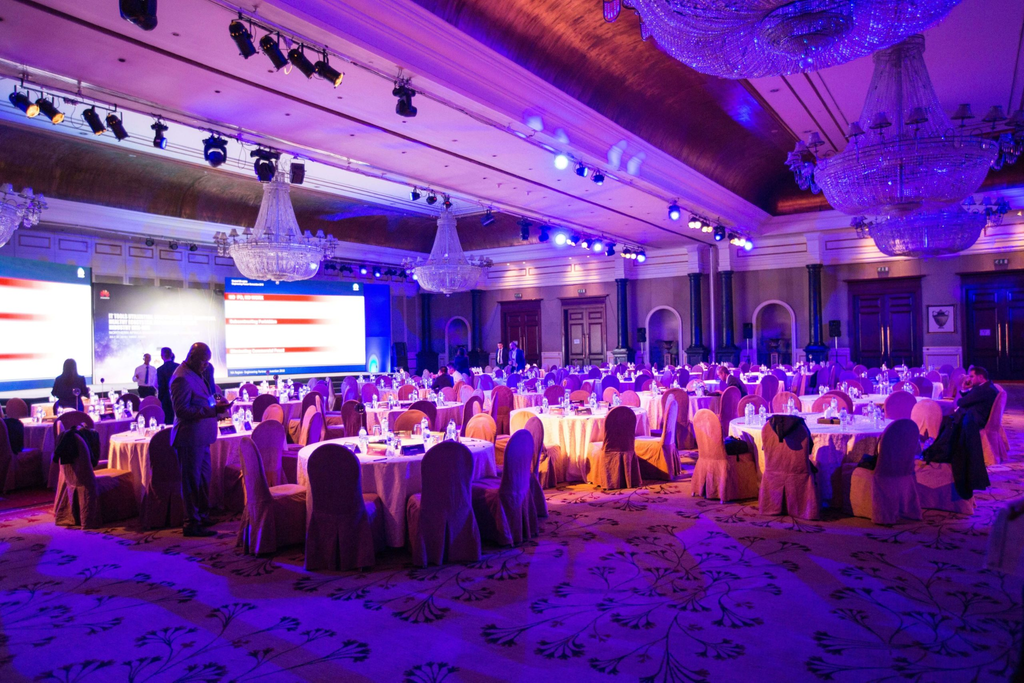
A business event may bring hundreds of people together, but its success often depends on decisions made long before the first guest arrives. From understanding the audience to coordinating suppliers, managing technical requirements, and preparing the venue, every stage requires attention. As Saudi Arabia continues to expand its business, tourism, entertainment, and exhibition sectors, the demand for organised professional events is also growing. Working with an experienced event management agency in Saudi can help businesses turn an initial concept into a structured programme that meets its objectives while maintaining quality throughout execution.
Translating Business Goals Into Event Concepts
An effective event begins with a clear reason for bringing people together. A company may want to introduce a product, strengthen industry relationships, celebrate an achievement, or communicate a new business direction.
The concept should reflect this purpose. A technology conference may need demonstration areas and expert presentations, while an executive gathering may benefit from private discussion spaces and a more formal programme.
Organisers should establish the intended audience, event scale, expected outcomes, and preferred format before moving into detailed planning. These decisions provide a foundation for the creative and operational teams.
Understanding The Local Event Landscape
Planning an event in Saudi Arabia requires awareness of the local business environment, audience expectations, and regional requirements. Riyadh, Jeddah, and other commercial centres attract different types of corporate gatherings, exhibitions, and industry meetings.
The location influences venue availability, transportation arrangements, supplier coordination, and accommodation requirements. Organisers must also consider applicable permissions, venue regulations, and local event requirements well in advance.
Understanding these factors helps businesses avoid planning decisions that may be difficult to implement once preparations are underway.
Designing A Programme With Natural Flow
A well-structured programme gives attendees a clear reason to participate throughout the event. However, scheduling too many presentations or activities can make the experience tiring.
Organisers should balance formal sessions with networking breaks, demonstrations, discussions, and refreshments. For a business summit, keynote presentations may introduce important subjects, followed by smaller sessions that encourage professional interaction.
Transitions between activities also deserve attention. Speakers should have adequate preparation time, and technical teams should know when presentations or equipment changes are required. A realistic schedule keeps the programme organised without making it feel rushed.
Making Venue Selection A Strategic Decision
The venue affects the event’s atmosphere, accessibility, and operational requirements. Businesses should evaluate available spaces according to attendance, seating arrangements, stage requirements, parking, internet connectivity, and technical facilities.
An exhibition requires sufficient floor space for stands, visitor movement, and product demonstrations. A corporate meeting may instead need private rooms, presentation facilities, and comfortable seating.
Organisers should also inspect loading areas, power availability, emergency exits, and accessibility arrangements. A venue that supports both the creative concept and practical requirements makes execution considerably easier.
Integrating Digital And On-Site Technology
Technology supports many aspects of modern business events. Registration systems, digital displays, sound equipment, lighting, presentation screens, and live-streaming facilities can improve communication and participation. An experienced event management agency in Saudi can help businesses identify and integrate suitable technologies based on the event format and audience requirements.
However, each technology choice should serve a specific purpose. QR-based registration may simplify guest entry, while interactive screens can help exhibition visitors explore product information. Hybrid events may require cameras, streaming platforms, and reliable internet connections.
Testing these systems before the event is essential. Technical rehearsals allow teams to identify compatibility problems, check audio levels, and confirm that presentations display correctly.
Coordinating Vendors And Operational Teams
Large events rarely depend on one service provider. Catering teams, decorators, audiovisual technicians, printing companies, transport providers, and venue staff may all contribute to the final result.
An experienced event management agency should establish clear responsibilities, delivery schedules, approval procedures, and communication channels for everyone involved.
Supplier coordination becomes especially important when several teams need access to the same venue during limited setup hours. A shared schedule helps prevent delays, overlapping work, and last-minute confusion.
Preparing For Crowd Movement And Safety
Guest movement is an important operational consideration, particularly at exhibitions, conferences, and public-facing corporate events. Poorly planned entrances, registration areas, and walkways can create congestion.
Organisers should plan the attendee journey from arrival to departure. Registration counters, seating zones, refreshments, emergency exits, and networking spaces should be arranged logically.
Safety planning should also cover crowd capacity, emergency communication, first-aid arrangements, evacuation procedures, and coordination with venue management. These measures protect attendees while allowing the programme to operate smoothly.
Creating A Recognisable Event Environment
The visual environment helps communicate an event’s identity. Stage backgrounds, exhibition stands, entrance displays, directional signs, and branded materials should follow a consistent design approach. An experienced event management agency in Saudi can help coordinate these visual elements to reflect the event’s purpose and organisational identity.
For corporate events, visual presentation should support the organisation’s message without overwhelming the venue. Clear typography, appropriate lighting, readable displays, and well-positioned branding make the environment more professional.
Printed materials and digital displays should also carry consistent information. Incorrect session timings or outdated speaker details can confuse attendees and affect the overall experience.
Measuring Results Beyond Attendance
The number of people attending an event does not always indicate whether it achieved its objectives. Businesses should assess participant engagement, networking opportunities, feedback, enquiries, and other outcomes relevant to the original purpose.
For example, a product launch may be evaluated through audience interest and subsequent enquiries, while a professional conference may focus on participation and industry connections.
A post-event review should also examine supplier performance, budget management, technical issues, and scheduling. These findings provide useful guidance for future programmes.
Conclusion
Producing a successful business event requires a combination of local knowledge, creative planning, technical preparation, and reliable coordination. Businesses should work with professionals who can manage these responsibilities while keeping the event’s objectives at the centre of every decision. An experienced event management agency in Saudi can also help organisations manage resources, coordinate multiple service providers, and maintain consistency throughout the programme. Careful execution ensures that each element contributes to a well-organised experience and leaves attendees with a positive impression. Markable provides event planning and execution support for organisations looking to create professional corporate gatherings, exhibitions, and brand experiences in Saudi Arabia.